
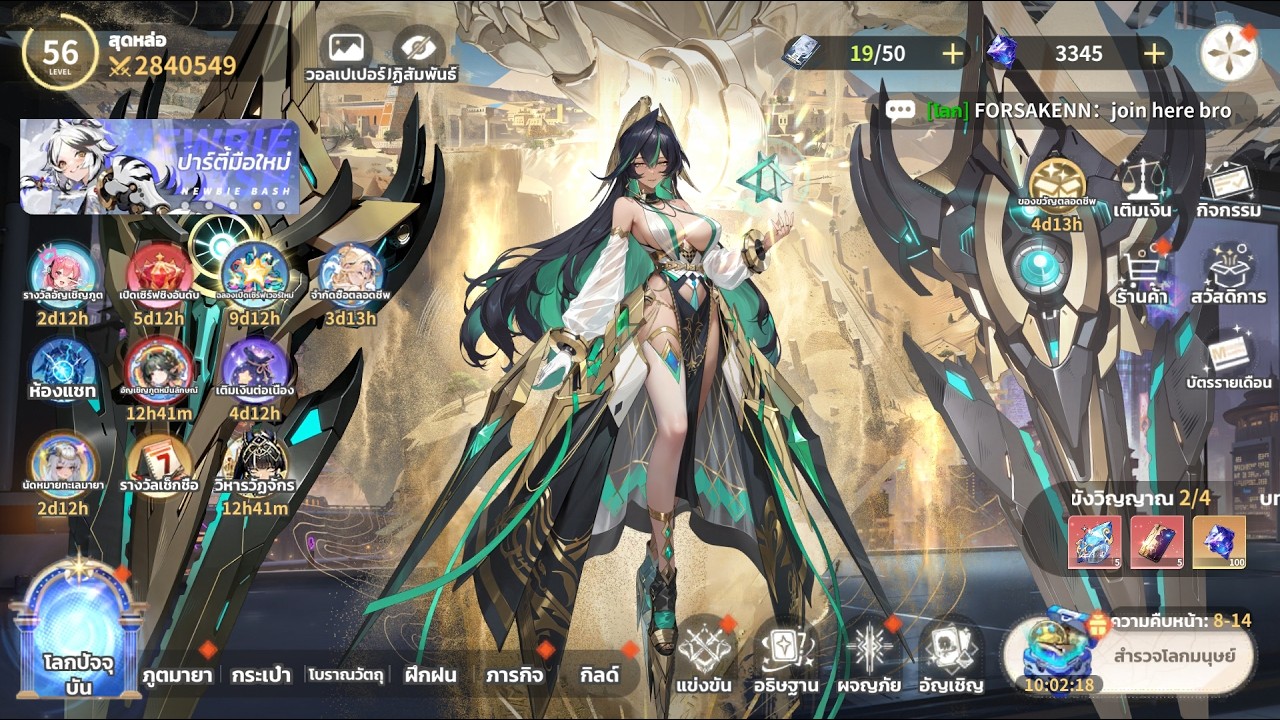
In Girls Echo, a Wind team functions as a high-speed, critical-hit burst composition that relies on rapid energy rotation to eliminate enemies before they set up defenses. However, Wind squads suffer from low baseline durability and heavy star-upgrade requirements, making them difficult to recommend for casual early-game progression. Commit to a Wind team only if you can focus your summon resources and upgrade materials into a dedicated primary damage carry.
Wind Team Strengths and Weaknesses
Wind units trade defensive sustain for turn priority and burst execution. Understanding these trade-offs determines whether the composition fits your current account resources.
Key Strengths
- Turn Advantage: Fast baseline speed and rage acceleration allow Wind units to deploy ultimates ahead of opposing teams.
- Defensive Bypass: Concentrated burst damage and armor penetration shred high-defense targets before enemy shields activate.
- Elemental Advantage: Wind naturally counters Earth-heavy defensive compositions.
Critical Weaknesses
- Fragile Early Game: Unlike Earth units, Wind characters lack innate damage reduction, making them prone to wiping against early campaign boss attacks.
- High Star Thresholds: Crucial passive mechanics—such as speed buffs, critical rate bonuses, and debuff triggers—remain locked behind duplicate-star promotions.
- Low Team Flexibility: Slotting off-element defensive units often disrupts the energy cycling that fuels the squad's offensive pacing.
Investment Suitability by Player Type
Because Wind requires concentrated promotion materials, evaluate your resource income before committing to a pure Wind roster.
| Account Type | Viability | Resource Priority |
|---|---|---|
| Free-to-Play / Casual | Low to Moderate | Build only if early pulls yield multiple duplicate copies of a core Wind carry. |
| Targeted Spender | High | Funnel summon currency and exclusive gear materials strictly into one primary carry. |
| Competitive / PvP | Very High | High-star investments allow Wind teams to wipe standard defenses before round mechanics escalate. |
Recommended Formation and Role Priorities
A viable Wind squad requires a balanced five-unit layout split between front-row disruption and back-row damage output.
Frontline Roles
- Wind Evasion Tank / Bruiser: Position this unit directly opposite the strongest enemy attacker. Because Wind lacks raw armor, survival depends on evasion bonuses and quick opening defensive buffs to buy time for backline rage generation.
- Secondary Disruptor: Uses early crowd control (such as stuns or blinds) to interrupt opposing burst sequences during the first round of combat.
Backline Roles
- Primary Wind DPS Carry: The centerpiece of the formation. Allocate all skill books, duplicate shards, and top-tier offensive gear to this unit before investing in secondary attackers.
- Sub-DPS Assassin: Focuses on single-target clean-up, finishing off priority targets weakened by the main carry.
- Speed and Rage Buffer: Generates teamwide energy and action-speed buffs to keep skill rotations cycling without delays.
Progression Milestones and Power Spikes
Wind teams do not scale linearly; they advance through specific power thresholds tied to promotion stars and exclusive gear.
- Early Game (Days 1 to 3): Survival is the primary bottleneck. If backline units die to incidental area-of-effect damage, temporarily bench pure Wind synergy to slot a high-durability off-element tank in the front row.
- Mid-Game Transition (Days 4 to 7): The squad experiences its first critical power spike when the main carry hits the 4-star promotion threshold and unlocks their dedicated divine weapon. This milestone unlocks necessary critical modifiers and guarantees the speed needed to bypass enemy barriers.
- Late-Game Investment: At maximum star promotions and complete talent trees, high evasion and cooldown reduction allow the team to maintain continuous skill rotations, neutralizing defensive stall teams in competitive modes.
Matchup and Positioning Strategy
Combat success with Wind depends on active skill timing and unit placement relative to opposing elements:
- Versus Earth Teams: Maintain an aggressive stance. Wind naturally penetrates Earth shields, allowing your carries to break defensive frontlines early.
- Versus Fire Teams: Fire compositions possess superior upfront area burst. Position your fragile Wind carries away from splash damage lanes, and delay using high-cost burst skills until after enemy defensive reduction windows or support buffs resolve.

Free Girls Echo Codes
Current active codes and how to redeem them.

James Brown
James focuses on Android gaming on PC, emulator setup, controls, performance tuning, and practical troubleshooting for longer play sessions.
COMMUNITY
Player Comments
44 players commented on this guide.
The explanation is clear, especially for beginners.
The tips are practical and easy to follow.
Can you add more details about early game in a future update?
This guide answered the exact question I had.