
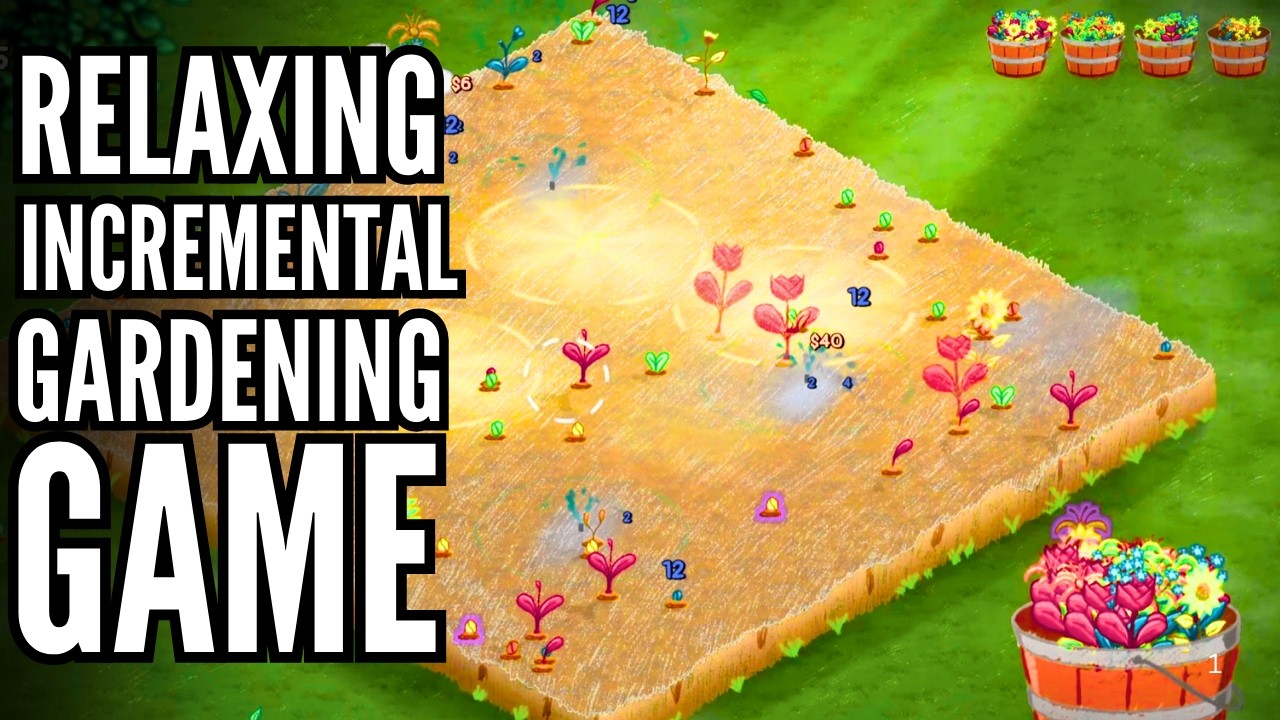
To trigger automated chain reactions in Petal Paws, plant seed clusters so their growth pulse radiuses overlap, placing a high-value anchor flower in the center surrounded by fast-maturing reactor seeds. When a plant reaches maturity, it emits a growth pulse that accelerates or instantly finishes the maturation of adjacent seeds. Setting up overlapping radiuses creates a cascading harvest sequence that generates currency automatically.
Strategic Garden Layouts
Designing an efficient garden requires positioning seeds where their influence radiuses can touch multiple neighboring plots. Planting flowers in single isolated rows prevents pulses from linking together, slowing down overall garden production.
| Strategy | Core Placement | Secondary Placement | Primary Benefit |
|---|---|---|---|
| Hub Strategy | High-value, slow-growing flower in the central plot | Low-cost, fast-maturing reactor seeds surrounding the center | Creates a reliable catalyst node that distributes pulses outward |
| Cluster Nodes | Dense groupings of mid-tier flora across central tiles | Matching species placed on adjacent interior plots | Maintains continuous chain loops even after individual flowers are harvested |
When placing your initial seeds, keep two spatial priorities in mind:
- Center your high-value crops: Place your slowest, highest-yielding flower in the middle of a grid section so surrounding pulses reduce its long growth timer.
- Avoid outer border tiles early on: Do not place key reaction setups along the extreme edges of your plot, as missing adjacent tiles reduce the total coverage of each growth pulse.
Growth Timing and Resource Priorities
Chain reactions depend on synchronized growth cycles. Mixing plants with drastically different maturation timers causes reaction gaps, as fast-growing species finish their cycles before slow-growing neighbors can emit their pulses.
To maintain steady growth cascades and scale your garden output, follow this progression sequence:
- Group similar maturation timers: Build clusters out of species that mature at comparable speeds to keep growth pulses moving in a consistent rhythm.
- Reinvest in pulse upgrades: Spend earned petals on seed types that offer wider pulse radiuses or shorter base maturity times to expand your reaction loops.
- Consolidate cluttered plots: If disorganized planting creates gaps in your growth cycle, pause new seed purchases and rearrange your existing layout into clean clusters.
- Expand the garden grid: Clear new garden land once your active layout generates petals faster than you can manually spend them. Larger plots provide the space required for complex, multi-layered reaction chains.

Free Petal Paws Codes
Current active codes and how to redeem them.

Emily Johnson
Emily writes practical mobile strategy guides with a focus on resource planning, base progression, and the early decisions that shape a long-term account.
COMMUNITY
Player Comments
59 players commented on this guide.
I tried this today and it worked better than my old setup.
This helped me understand strategy much better.
I wish I had read this before upgrading the wrong thing.
The explanation is clear, especially for beginners.