
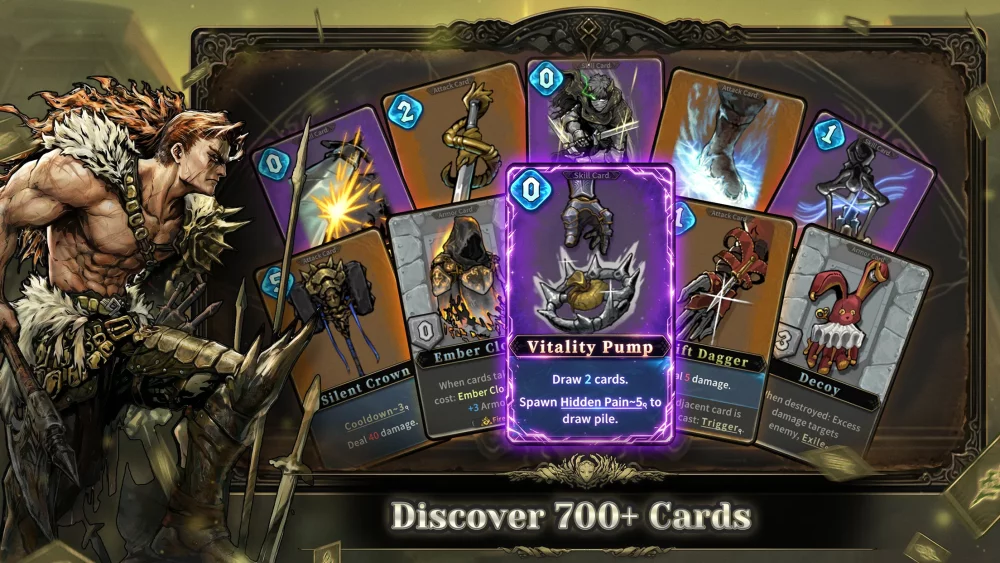
To achieve a flawless clear in an Abyssal Soul Daily Challenge without using campfires, blessings, or runes, prioritize full damage mitigation on every turn before committing energy to attacks. Bypassing restorative nodes and passive power spikes means any chip damage permanently spoils the flawless run. Success depends entirely on calculating enemy intent values, rationing baseline energy, and navigating away from high-variance encounters.
Energy Allocation and Action Priority
Without runes to reduce card costs or relics to expand your base energy pool, your turn economy is fixed. Spend energy on defense first. Never play an offensive strike if doing so leaves you unable to fully block incoming damage.
| Priority | Action Category | Energy Allocation | Combat Objective |
|---|---|---|---|
| 1 | Total Block Coverage | 2–3 Energy | Completely negate telegraphed enemy damage to maintain flawless status. |
| 2 | Lethal Execution | 1–2 Energy | Defeat an attacking enemy to cancel their incoming attack entirely. |
| 3 | Controlled Offense | 1 Energy | Deal chip damage using surplus energy only after all block needs are met. |
| 4 | Setup & Card Cycling | 0–1 Energy | Rotate cards or prepare buffs only when incoming enemy threat is zero. |
If unblocked incoming damage exceeds your available guard cards, evaluate whether you have guaranteed lethal damage on the attacker. Eliminating the enemy immediately cancels their strike. If lethal is not reachable, spend all available energy on your best defensive cards to minimize the loss, though any health loss invalidates the flawless clear.
Threat Assessment and Deck Tracking
Enemy intent markers dictate how every hand must be played. Calculate required defense before touching offensive cards:
- Calculate Incoming Damage: Sum the attack values shown on all enemy intent markers.
- Check Guaranteed Block: Tally the shield values of the defensive cards in your current hand.
- Resolve the Deficit: If the difference requires 2 or 3 energy to cover, commit that energy to guard actions immediately.
- Deploy Surplus Energy: Only spend remaining energy on attack cards once incoming damage is reduced to zero.
Track your discard pile throughout each encounter. If you have already played several guard cards in the current cycle, your upcoming draws will have lower defensive density. When facing turns where enemies prepare non-damaging buffs or debuffs, do not overspend on defense; use those specific turns to cycle through your deck and return defensive cards to your draw pile.
Map Routing and Event Selection
Under zero-blessing and zero-campfire restrictions, aggressive pathing offers no benefit. Elite encounters and treasure rooms carry high risk but provide rewards you are deliberately ignoring.
- Target Standard Encounters: Choose paths filled with standard enemy nodes and predictable neutral events. Standard enemies feature smaller health pools and manageable intent values that basic starter cards can consistently neutralize.
- Avoid Elite Nodes: Elite enemies frequently feature aggressive modifier affixes and multi-hit attacks that can overwhelm unaugmented starter defense values.
- Bypass Campfire Actions: When forced to path into a campfire node, treat it strictly as a pass-through point. Skip healing and card upgrades to satisfy the challenge restrictions.
Targeting Multi-Enemy Battles
Encounters with multiple opponents present the highest threat to a flawless run because combined attack values can easily exceed your hand's maximum block.
Focus all surplus offensive energy on a single target until it is removed from combat. Prioritize enemies with escalating attack buffs or multi-hit strikes first. Eliminating one opponent permanently reduces the incoming damage threshold for the remainder of the battle, allowing your starter guard cards to reliably cover all subsequent turns.

Free Abyssal Soul Codes
Current active codes and how to redeem them.

Emily Johnson
Emily writes practical mobile strategy guides with a focus on resource planning, base progression, and the early decisions that shape a long-term account.
COMMUNITY
Player Comments
30 players commented on this guide.
Good guide for Abyssal Soul players. The strategy part was useful.
I wish I had read this before upgrading the wrong thing.
I tried this today and it worked better than my old setup.
Nice guide. I am checking the other Abyssal Soul articles next.