
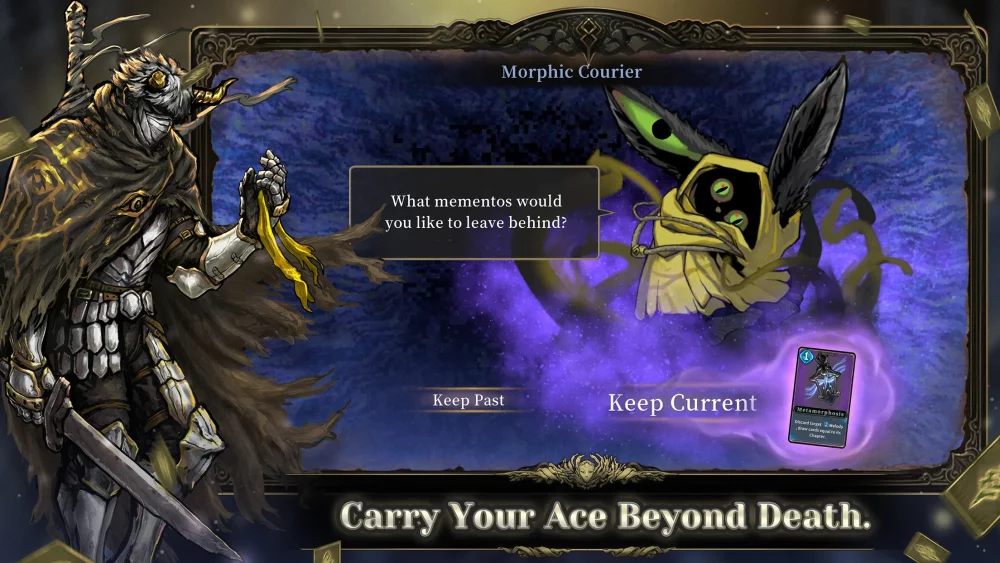
Surviving Nightmare 6 in Abyssal Soul requires a fundamental shift in philosophy. While early game progression rewards aggressive, high-damage playstyles, the brutal scaling of Nightmare 6 demands a methodical, gear-reliant approach. The Iron Knight’s "Gear" build is currently the most reliable way to clear the endgame, transforming defensive armor generation into a consistent, high-damage engine. This guide breaks down the mechanics, card synergies, and tactical decision-making required to turn the Iron Knight into an unstoppable force.
Understanding the Gear Engine Mechanics
At its core, the Iron Knight’s gear synergy is a conversion loop. The class passive allows you to treat your armor not just as a defensive barrier, but as a resource for offensive output. To succeed in Abyssal Soul, you must stop viewing armor and damage as two separate phases.
In Nightmare 6, enemies possess massive health pools and high-damage multi-hit attacks. If you play defensively, you will eventually be overwhelmed by attrition. If you play strictly offensively, you will fail the "gear check" and die before the boss drops. The Gear build solves this by using "Builder" cards to stack armor, which then triggers passive damage procs or fuels "Finisher" cards that deal damage proportional to your current armor value. Your goal is to keep your armor count high enough to survive the enemy’s turn while ensuring you have enough "Finisher" cards in hand to capitalize on that defensive buffer immediately.
Strategic Deck Composition: The Law of Efficiency
A common mistake in Abyssal Soul is deck bloat. When you add too many situational cards, you dilute your ability to draw into your core synergy loop. For the Iron Knight, your deck should ideally sit between 15 and 20 cards.
The Three Pillars of Your Deck
- Builders: Cards that provide high-value armor gains. These are your primary survival tools and should be prioritized for upgrades that grant "Draw" or "Retain."
- Finishers: Cards that consume armor to deal damage. These must be played only when your armor is at peak levels to maximize the damage-to-armor ratio.
- Cyclers: Cards that manipulate your hand or deck order. Because the Gear build relies on the rhythm of building and then striking, having cards that let you dig through your deck is essential for consistency.
Pro-Tip: Always prioritize "Retain" cards. Being able to hold a massive armor-generating combo for the exact turn a boss prepares a heavy attack is the difference between a successful run and a restart.
Optimizing Gear Interactions for High-Level Bosses
Bosses in Nightmare 6 often have "telegraphed" moves. The Iron Knight excels here because you can predict damage spikes and prepare your armor accordingly.
- The Ramp-Up Phase: In the first two turns of a boss encounter, focus entirely on building armor. Use relics that provide flat armor boosts to start the fight. Do not waste energy on inefficient attacks that don't scale with your gear.
- The Burst Phase: Once your armor is at a safe threshold (generally above 50% of your max health), use your Finishers. If a Finisher card scales with "Armor Consumed," ensure you have enough armor to survive the enemy's next turn even after the reduction.
- The Reset: If you are forced to dump your armor to survive, your immediate priority on the next turn is to rebuild. Never leave your armor pool at zero at the end of your turn unless you are certain the boss will die.
Managing Trade-offs and Counter-Strategies
The greatest threat to the Iron Knight in Nightmare 6 is "Armor Shred" or "Pierce" damage. Some endgame enemies possess mechanics that ignore your armor, bypassing your scaling entirely. When facing these specific threats, you must pivot:
- Prioritize Debuffs: Look for gear or cards that apply "Weak" or "Vulnerable" to the enemy. Reducing their incoming damage is the only way to mitigate pierce mechanics.
- Secondary Sustainability: Incorporate at least one card that provides flat healing or damage reduction that does not rely on armor.
- Mobility Over Armor: If an enemy is consistently shredding your armor, stop attempting to out-scale them. Shift your focus to "Draw" and "Cycler" cards to find your win condition faster, ending the fight before the pierce mechanics can chip away your health.
Progression Priorities and Endgame Refinement
As you progress through the late-game acts, your choices at vendors and event nodes are critical. Prune your deck ruthlessly. If a card does not contribute to either your armor-generation loop or your damage-finishing loop, remove it.
- Upgrade Priority: Prioritize upgrading your primary "Builder" cards first. Many cards gain the "Retain" property or increase their armor-gain value significantly at higher levels.
- Relic Synergy: Look for relics that grant armor based on the number of cards played per turn. This creates a "snowball" effect: the more cards you draw and play, the more armor you generate, which in turn fuels your damage.
- The Mental Tax: The Gear build is mentally demanding. You must track your armor values and count your cards carefully. If you find yourself losing, it is almost always because you played a Finisher too early, leaving yourself exposed to a follow-up attack.
Conclusion: Why the Iron Knight Wins
The Iron Knight gear build is the most consistent path to victory in Abyssal Soul because it transforms the game’s core mechanics into a predictable, mathematical loop. By treating your armor as a dynamic resource rather than a static health bar, you gain the ability to dictate the pace of combat. While other builds may rely on luck or high-variance critical hits, the Iron Knight succeeds through discipline, efficient deck management, and the tactical use of the gear-conversion passive. Master the cycle, manage your armor like currency, and the hardest challenges in Nightmare 6 will become manageable tasks.

Free Abyssal Soul Codes
Current active codes and how to redeem them.

Sarah Williams
Sarah specializes in RPG and collection games, explaining team building, character growth, and beginner-friendly ways to avoid expensive early mistakes.
COMMUNITY
Player Comments
121 players commented on this guide.
I tried this today and it worked better than my old setup.
This guide answered the exact question I had.
This helped me understand strategy much better.
I wish I had read this before upgrading the wrong thing.