
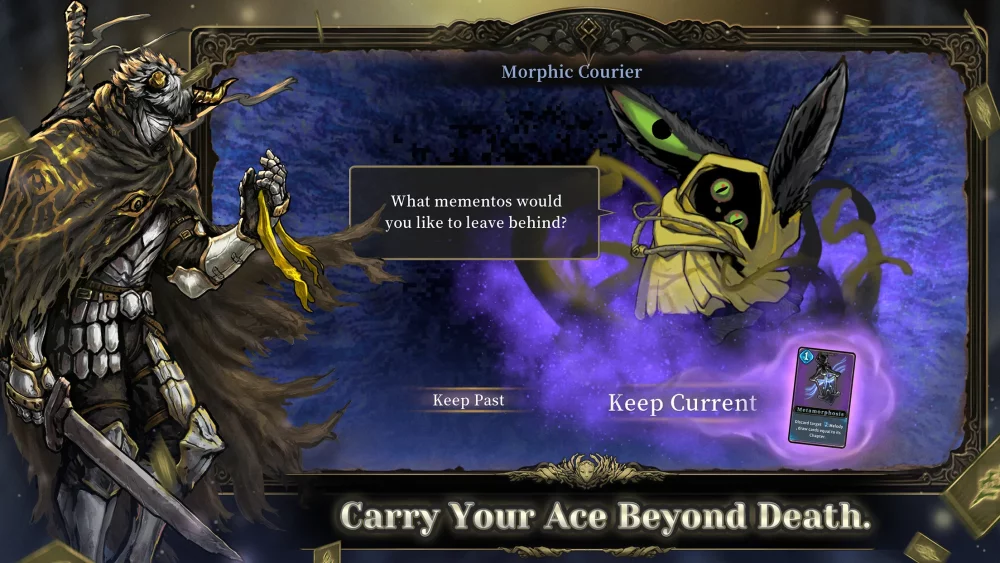
Achieving high-level power in Abyssal Soul does not always require you to bleed your health pool dry against relentless waves of dark fantasy monsters. For players looking to conquer the game’s sequential roguelike structure with a more calculated approach, the "Passive Cultivation" strategy offers a massive advantage. By shifting your focus from aggressive combat toward an environment-driven, deck-building progression model, you can accumulate significant power while minimizing the risk of losing vital resources in unwanted skirmishes.
By heavily utilizing the game’s "travel and observe" mechanics, you can scale your character’s baseline stats, acquire powerful passive relics, and build an impenetrable deck. This guide outlines how to leverage map routing, environmental interactions, and event nodes to scale your character’s strength effectively, ensuring you remain under the radar while your cultivation levels soar.
Understanding the "Travel and Observe" Mechanic
In Abyssal Soul, the map generation is designed to tempt players into high-risk, high-reward elite combat hubs. However, the game features a less obvious but equally potent progression system based on the "travel and observe" mechanic. This system rewards players who prioritize exploration nodes (often marked as question marks, shrines, or ancient ruins) over standard enemy encounters.
When you choose non-combat nodes, your character’s internal Presence Indicator drops. A high Presence Indicator triggers the game's dynamic difficulty system, causing random encounters to feature tougher enemy variants with higher health pools and aggressive deck synergies. By keeping your Presence low through careful map navigation, you reduce the frequency of punishing random encounters that drain your health and utility items. This strategy relies on the game’s internal calculation that rewards "wandering" with rare insights, permanent stat boosts, and powerful passive energy pools, essentially turning a peaceful exploration run into a high-efficiency scaling session.
Prioritizing Low-Profile Map Routing
The most effective way to scale in Abyssal Soul without attracting the wrath of hostile factions is to meticulously plan your route at the start of each Act. Instead of seeking out high-intensity combat zones, focus on navigating the scenic, event-heavy routes of the procedural world map.
To execute this effectively:
- Analyze the Act Map Early: Look for branching paths that offer three or more sequential non-combat nodes (Events, Campfires, or Shrines) before forcing a mandatory bottleneck fight.
- Avoid Main Roads: High-traffic combat hubs are clearly marked by blood-stained roads on the UI. While these offer guaranteed card drafts, they will rapidly spike your Presence Indicator.
- Seek Ambient Energy Pools: Certain event nodes are guaranteed to offer passive energy choices. By consistently routing through these, you build a massive pool of internal energy that can be converted into upgraded cards or max HP at the end of the Act.
This low-profile approach allows you to engage with the environment’s passive energy pools, providing consistent cultivation gains that are often overlooked by players focused solely on monster grinding.
Strategic Selection of Cultivation Environments
Choosing the right biomes and node locations for passive cultivation is vital for long-term deck scaling. Certain zones in Abyssal Soul are tuned to offer higher environmental resonance, accelerating the absorption of spirit and abyssal energy even when you are not actively playing cards. Look for areas with high spirit density, typically located in remote map branches.
Depending on the biome you navigate toward, you can manipulate the exact type of passive scaling your deck receives:
| Environment Type | Map Location | Cultivation Benefit & Scaling Effect |
|---|---|---|
| Mountain Peaks | High-altitude nodes (Act 2 & 3) | Offers a significant multiplier to passive cultivation gains. Events here often provide permanent Strength or Arcane Power buffs in exchange for discarding cards. |
| Secluded Temples | Hidden campfire variants | Provides unique "meditation" options that increase your resistance to Corruption, a vital secondary stat for surviving the endgame bosses' deck-clogging mechanics. |
| Water-Bordered Zones | River pathing nodes | Features a "refresh" mechanic. Visiting these nodes slightly boosts the speed at which your cultivation bar fills during downtime, and often allows you to heal without expending campfire actions. |
Routing your run through these specific environments ensures that your passive stats grow exponentially, compensating for the lack of standard combat rewards.
Essential Deck Building for Passive Runs
While passive cultivation is incredibly efficient for stat scaling, you are still playing a dark medieval fantasy deck builder. You will eventually be forced into mandatory elite and boss battles. Building a deck that synergizes with your passive map routing is crucial.
Because you are skipping standard combat nodes, you will see fewer card draft screens. This means your deck will naturally remain thin—which is a massive advantage if managed correctly. A thin deck ensures you consistently draw your most powerful cards.
Focus on drafting cards that scale with the stats you are gaining from events:
- Insight-Scaling Attacks: Cards that deal damage based on your total accumulated Observational Insight. Since you are farming this stat in events, these cards become one-shot win conditions by Act 3.
- Meditation Barriers: Defensive cards that provide block based on your current Corruption Resistance.
- Card Removal: Spend your gold at merchants exclusively on removing basic strikes and defends. Since you aren't drafting many new cards, removing the starting deck bloat is the fastest way to ensure you draw your high-value synergy cards.
Leveraging Hidden Environmental Buffs
Beyond simple passive energy absorption, Abyssal Soul contains hidden triggers that reward players for interacting with the world in non-violent ways. During your travels, keep an eye out for unique flora, ancient markers, or NPC dialogues that can be "studied." These interactions provide one-time stat boosts that are permanently added to your character profile, making them essential for long-term scaling.
These buffs often require a minimum level of Observational Insight, a secondary stat that you gain by spending time in the world without engaging in combat. Every non-combat node you visit increases this stat.
- Ancient Markers: Require 10+ Observational Insight to decipher. Rewards usually include powerful unique relics that cannot be found in standard boss chests.
- Abyssal Flora: Found in swamp and forest biomes. Studying these grants permanent max HP or upgrade tokens, effectively raising your power floor without the risk of taking combat damage.
By delaying your progression into harder combat zones, you collect more of these environmental buffs. This results in a character that is naturally stronger and more resilient than one built purely through grinding, as your base stats are bolstered by a wide range of world-derived bonuses.
Managing the Trade-off Between Speed and Stealth
While passive cultivation is inherently safer, it comes with a dangerous trade-off: slower immediate combat growth. Players who rely exclusively on this method often fall into the "glass cannon" trap. You may find yourself with immense internal energy and passive stats, but severely under-leveled in terms of active combat skills and card synergies because you have avoided card drafts for too long.
You must balance your passive gains with targeted, high-value combat sessions to ensure your defensive capabilities keep pace with your internal cultivation level.
The Hybrid Approach: Use your passive gains to build a "buffer" of stats and health before attempting mandatory elite encounters. Aim to take at least one Elite combat node per Act. This guarantees a high-tier relic drop and a premium card draft. If you find your character is drawing poorly or struggling to output damage on turn one, pivot briefly to a high-density enemy zone to test your new power levels and draft necessary utility cards. This ensures you gain the practical combat experience needed to utilize your massive stat pool in high-stakes boss battles.
Optimizing for Long-Term Progression and Boss Encounters
The final stage of the passive cultivation strategy involves timing your transition from passive growth to active dominance. Once you reach Act 3, you will have accumulated enough hidden buffs, Observational Insight, and internal cultivation energy to reach a critical power threshold.
At this point, you will clear combat encounters significantly faster than players who focused only on standard gear and card acquisition. This is the ideal moment to stop wandering and start pushing aggressively into the higher-difficulty regions of the map. Your thin, highly synergized deck, backed by massive permanent stat boosts, will allow you to play incredibly aggressive turns.
By systematically applying this passive-first methodology, you transform Abyssal Soul's expansive, dangerous map from a series of obstacles into a custom-built engine for your growth. Use this progression model to prepare for the late-game, ensuring that when you finally engage with the dark medieval fantasy bosses waiting at the end of the run, you do so with a massive, pre-built advantage that makes even the toughest challenges effortless to overcome.

Free Abyssal Soul Codes
Current active codes and how to redeem them.

Michael Smith
Michael covers live-service games, events, reward systems, and efficient daily routines, turning frequent updates into clear actions for players.
COMMUNITY
Player Comments
49 players commented on this guide.
I wish I had read this before upgrading the wrong thing.
The explanation is clear, especially for beginners.
This guide answered the exact question I had.
Good guide for Abyssal Soul players. The strategy part was useful.