
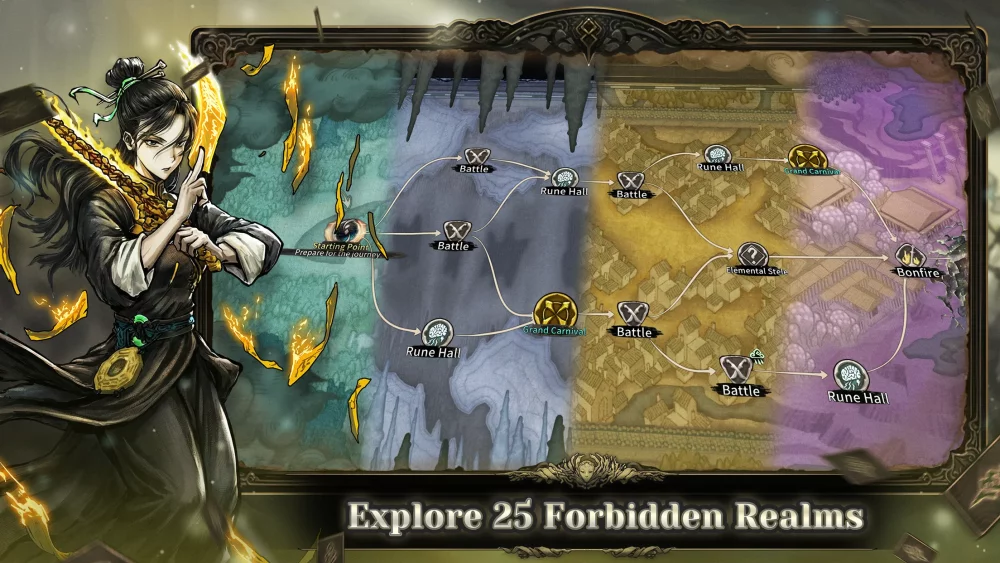
To clear Nightmare 9 with the Shadow Dancer in Abyssal Soul, build around a compact deck of 12 to 15 cards that relies on zero-cost cycling, multi-strike attacks, and flat damage bonuses. Nightmare 9 limits mana generation and increases enemy health pools, making defensive attrition unsustainable. Success depends on aggressively stripping basic cards, delaying elite encounters until your engine stabilizes, and sequencing each turn to burst down high-threat targets before defensive options expire.
Deck Construction and Card Drafting
Maintaining a lean draw pile is essential for consistency. Basic starter strikes quickly dilute your draws, so prioritize card removals at shops and rest sites. Keep your deck focused on low-cost agility tools and multi-hit scaling rather than high-cost individual attacks.
| Card Category | Tactical Role | Nightmare 9 Draft Rule | Skip Condition |
|---|---|---|---|
| Multi-Hit Attacks | Trigger per-strike damage bonuses across rapid sequences | Pick 2–3 core cards early to establish baseline offensive tempo | Skip if base energy cost exceeds available mana |
| Agility & Draw | Cycle through the draw pile to access key combo finishers | Essential; draft zero-cost cantrips to maximize turn velocity | Skip draw cards that offer no energy or cost refund |
| Defensive Evasion | Completely negate massive, telegraphed single-target hits | Retain 1–2 evasive blocks to bypass incoming damage spikes | Skip generic armor that lacks agility or draw triggers |
| Finishers & Buffs | Convert high combo counts into decisive phase skips | Draft 1 primary finisher to close combat phases | Skip heavy finishers that risk causing dead opening hands |
Relic Synergies and Mana Management
Because Nightmare 9 affixes restrict baseline mana, your ability to chain actions depends heavily on relic acquisition.
- Per-Hit Damage Relics: Relics like Layered Mask add flat bonus damage to every individual strike. Because Shadow Dancer attacks multiple times in a single turn, flat damage bonuses multiply across every hit, turning low-base attacks into lethal burst sequences.
- Energy Refunds and Draw Relics: Prioritize relics that refund energy when agility cards are played or that draw extra cards on discard. These artifacts sustain multi-action turns without requiring expanded mana pools.
- Shop Economy: Spend early gold on card removals and energy relics rather than card upgrades or expensive luxury attacks. A lean deck with energy generation will consistently outperform a large deck filled with un-synergized cards.
Early Floor Pathing and Node Decisions
The opening floor presents the highest run-loss risk due to low starting health and an unrefined starter deck. Manage your route carefully to survive until your engine comes online:
- Prioritize Standard Combat: Target normal enemy nodes through the first half of Floor 1. These fights provide gold, card draft options, and low-risk opportunities to test engine synergy.
- Delay Elite Fights: Avoid early elite encounters until late Floor 1 or Floor 2. You need at least one reliable evasion tool and a stable multi-strike engine before facing elite damage spikes.
- Use Rest Sites for Deck Optimization: Only rest when health drops below critical one-shot thresholds for incoming bosses. Otherwise, use campfires to upgrade core cycling cards or purge remaining starter strikes.
- Choose Relics and Removals at Events: Select event choices that offer artifact rewards or targeted card removal over temporary health regeneration.
Combat Turn Sequencing
Combat execution requires strict turn ordering to ensure combo conditions are met before expending heavy resources.
- Open with Agility and Cantrips: Play zero-cost draw and movement skills first. This builds your combo counter, checks for energy-refund procs, and draws your primary offensive options.
- Deploy Multi-Strike Attacks: Spend your available mana on multi-hit skills to capitalize on active flat-damage bonuses.
- Trigger Hero Active Skills: Fire Shadow Dancer’s active burst ability immediately after combo thresholds are satisfied to force enemy phase transitions or eliminate priority adds.
- Conclude with Evasion: End the turn by activating evasive cards. This ensures any unblocked lethal strikes target empty space rather than depleting your health pool.
When facing encounters with multiple enemies, focus single-target burst directly on summoners and debuff casters to prevent stacking status ailments. If an endgame boss features passive thorns or reactive armor per card played, consolidate your turn around fewer, heavily buffed strikes or use relics that cleanse retaliatory debuffs before executing long flurries.

Free Abyssal Soul Codes
Current active codes and how to redeem them.

Sarah Williams
Sarah specializes in RPG and collection games, explaining team building, character growth, and beginner-friendly ways to avoid expensive early mistakes.
COMMUNITY
Player Comments
58 players commented on this guide.
This guide answered the exact question I had.
I tried this today and it worked better than my old setup.
This helped me understand strategy much better.
Can you add more details about strategy in a future update?