
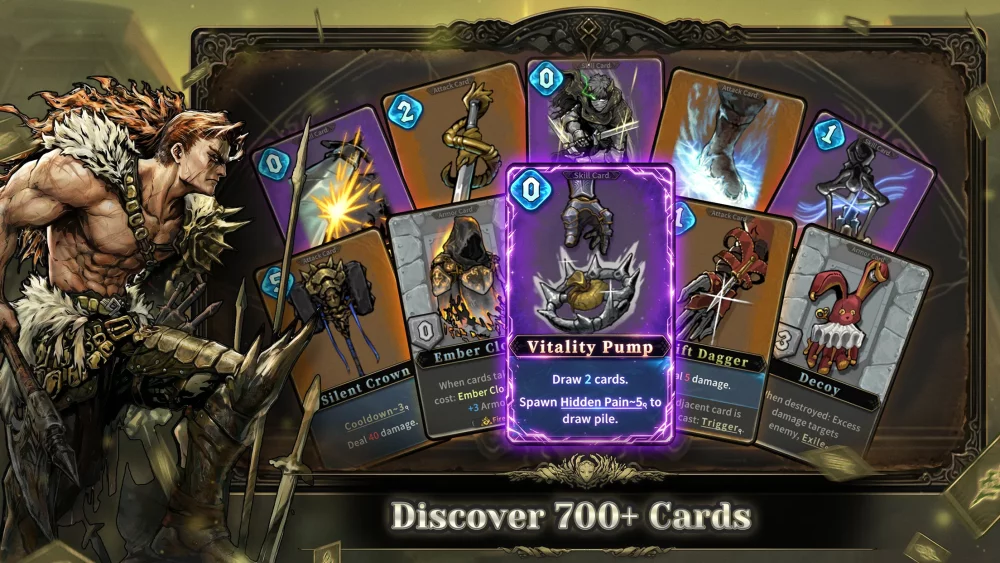
Conquering Hard Mode in Abyssal Soul requires a shift in mindset from standard runs. While basic deck synergy is enough for lower difficulties, Hard Mode demands precise tactical execution, efficient resource prioritization, and an aggressive approach to overcoming elite encounters. This guide outlines the essential tactics to stabilize your run and secure a victory in the toughest conditions.
Prioritizing Elite Encounters and Resource Gain
In Hard Mode, you cannot afford to play passively. To build a deck capable of handling the final challenges, you must maximize your encounter rewards early.
- Aggressive Pathing: Prioritize paths that offer Elite encounters. While riskier, the superior relic and card rewards are non-negotiable for scaling your character to meet the increased enemy health pools.
- Resource Management: Do not hoard gold unnecessarily. Invest in card removals early at shops to thin your deck, ensuring your high-impact cards appear more frequently during critical combat turns.
- Health as a Resource: Accept minor chip damage if it allows you to pick up a key relic or a high-synergy card from an Elite encounter. Your health is a currency; spend it to ensure your power level outpaces the enemy's scaling.
Tactical Combat Priorities
Survival in the late stages of Abyssal Soul hinges on your ability to predict enemy intent and mitigate incoming damage effectively.
| Situation | Tactical Priority |
|---|---|
| High Incoming Damage | Prioritize defensive card usage and shielding over chip damage. |
| Elite Encounters | Focus fire on the highest-threat target to minimize the duration of the fight. |
| Low-Health Mobs | Use area-of-effect (AoE) cards to clear board space, reducing the number of incoming attacks per turn. |
Deck Consistency and Synergy Checks
The most common cause of failure in Hard Mode is a bloated or unfocused deck. As you progress, perform regular "synergy checks":
- Drafting with Purpose: Do not pick cards just because they are high rarity. Every card added must serve the specific win condition of your current build (e.g., status effect application, direct damage, or defensive cycling).
- The Rule of Thinning: If your deck exceeds 20–25 cards, prioritize removing basic strikes or defense cards at every available opportunity. A smaller, more reliable deck is the hallmark of a successful Hard Mode run.
- Relic Alignment: Evaluate your relics after every major boss. If a relic no longer supports your primary strategy, adjust your card drafting to compensate or pivot your remaining picks to maximize the potential of your strongest current relics.
Maintaining Momentum Against Bosses
Boss fights in Hard Mode are endurance tests. If you find yourself struggling, focus on these final tactical adjustments:
- Turn Efficiency: Always calculate your mana spend for the turn. Avoid playing cards that offer negligible value if it prevents you from playing a high-impact card in a future turn.
- Debuff Management: Keep track of enemy status resistances. If your deck relies on debuffs, ensure you have a "finisher" card or a high-damage burst card to rely on when the enemy becomes immune or clears their negative status effects.
- Predictive Play: Use the information provided by the enemy intent UI to decide exactly which defensive cards to hold and which to play. Sometimes, taking a small amount of damage is better than wasting a critical shield card one turn too early.

Free Abyssal Soul Codes
Current active codes and how to redeem them.

Emily Johnson
Emily writes practical mobile strategy guides with a focus on resource planning, base progression, and the early decisions that shape a long-term account.
COMMUNITY
Player Comments
151 players commented on this guide.
This helped me understand strategy much better.
I tried this today and it worked better than my old setup.
The explanation is clear, especially for beginners.
Can you add more details about strategy in a future update?