
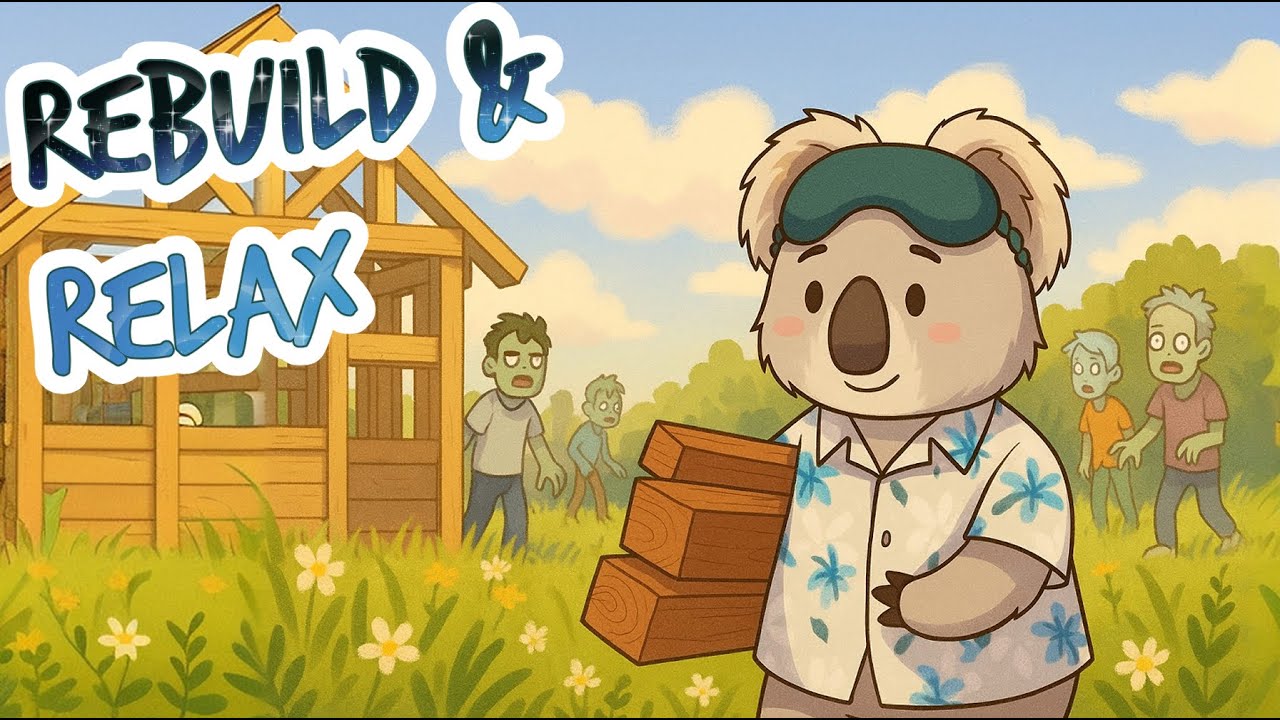
To succeed in After Inc., you must shift your mindset from the frantic, combat-heavy survival of the initial apocalypse to the cold, calculated logistics of civilization-building. Unlike other survival games that focus on static defense, After Inc. is a deep strategic simulation that demands efficient urban planning, reliable production chains, and proactive resource management. Success is not measured by how many zombies you kill, but by how effectively you manage the transition from a desperate survivor camp into a self-sustaining, thriving hub of humanity.
Mastering Population Dynamics: The Growth Trap
In After Inc., population is your most volatile resource. While more survivors mean more labor, they also represent a permanent increase in your daily consumption of food and water. A common mistake among new players is expanding housing too quickly, which leads to a "death spiral" where your agricultural infrastructure cannot keep pace with the mouths you need to feed.
The Golden Rule of Growth: Only build housing when your current food and water production shows a consistent, growing surplus.
- Staggered Intake: Do not trigger population spikes by building entire residential blocks at once. Add housing incrementally to observe the impact on your supply chain.
- The Buffer Requirement: Always maintain a minimum of three days' worth of food and water in your storage depots before inviting new survivors. This buffer protects you against random events, such as temporary weather shifts or production slowdowns.
Optimizing Infrastructure and Spatial Efficiency
In After Inc., time is a resource. If your workers spend half their day walking between a farm and a storage depot, your overall production efficiency will tank, regardless of how many workers you assign. Spatial management is the silent difference between a struggling camp and a productive city.
- Zone Centricity: Place your primary storage depots at the center of your industrial zones. Think of your layout as a wheel; the hub is storage, and the spokes are your production facilities (farms, water collectors, processing plants).
- Pathing Constraints: Minimize winding roads. Survivors move along specific paths, and bottlenecks occur when too many people traverse the same narrow route. Ensure there are multiple paths connecting residential zones to work zones to prevent "commuter congestion."
- Segregation of Needs: Keep high-pollution or high-noise industrial buildings away from residential districts. While After Inc. may not explicitly penalize you for proximity like some city builders, maintaining distinct zones keeps your workflow organized and makes it easier to track which specific sector is failing during a resource crisis.
Scaling the Tech Tree for Long-Term Stability
The After Inc. tech tree is your blueprint for the mid-to-late game. If you waste your early research on cosmetic upgrades or late-game luxuries, you will find yourself unable to support your population as the environmental challenges increase.
- Phase 1: Yield Efficiency: Focus exclusively on agricultural and water-collection upgrades. Increasing the efficiency of your base resources provides the highest return on investment.
- Phase 2: Infrastructure Durability: As your settlement grows, building maintenance becomes a massive drain on your labor pool. Researching structural integrity upgrades early reduces the frequency of repairs, freeing up your survivors to focus on resource gathering rather than "fixing the roof."
- Phase 3: Automation: Prioritize any tech that reduces the manual labor required per unit of output. Automating your resource chains is the only way to reach the population caps necessary for true late-game expansion.
Managing Survivor Morale and Productivity
Your survivors are not just units; they are the gears in your civilization’s engine. Their productivity is directly tied to their morale. In After Inc., a drop in morale doesn't just mean a grumpy population—it means a drop in work output, which creates a deficit, which lowers morale further. It is a feedback loop that can destroy a settlement in days.
- The Labor Reserve: Never assign 100% of your population to specialized roles. Keep a "General Labor" pool—about 10–15% of your population—who are not assigned to specific buildings. These survivors handle the constant maintenance, emergency resource transport, and construction tasks that allow your specialists to stay focused.
- Morale Indicators: Watch for signs of dissatisfaction, such as abandoned work sites or idling workers. When morale dips, immediately prioritize food quality or shelter upgrades rather than trying to force more work out of the population.
Adapting to Environmental and Economic Shifts
The world of After Inc. is dynamic, and the environment will actively work against your growth. Static settlements fail because they cannot pivot when conditions change.
- The "Insurance" Philosophy: Always maintain a secondary resource stockpile separate from your daily consumption needs. Treat this as your emergency fund. If a harsh weather event hits, you should be able to rely on this stockpile while your primary production is offline.
- Operational Agility: When the environment turns hostile, do not be afraid to temporarily shutter non-essential operations. If a severe drought hits, immediately move your laborers from manufacturing or construction to water collection and food production. The ability to shift your workforce in response to local events is the hallmark of a veteran After Inc. player.
Common Mistakes to Avoid
- Over-Expansion: Building more than you can staff. An empty building is a drain on your maintenance budget. Only build what you have the population to operate.
- Ignoring Maintenance: Assuming buildings will last forever. Neglected buildings will collapse, leading to mass resource loss and sudden spikes in labor demand for emergency repairs.
- Tech Stagnation: Failing to research. Even if your current resource flow feels "safe," you should always have a research project active. The game’s difficulty scales as your settlement grows, and you must stay ahead of the curve.
By balancing your population growth, optimizing your layout, and maintaining a flexible labor force, you can transform your small camp into a bastion of human progress in After Inc. Remember: the apocalypse is over, but the work of building a civilization has only just begun.

Free After Inc. Codes
Current active codes and how to redeem them.

James Brown
James focuses on Android gaming on PC, emulator setup, controls, performance tuning, and practical troubleshooting for longer play sessions.
COMMUNITY
Player Comments
119 players commented on this guide.
The explanation is clear, especially for beginners.
Nice guide. I am checking the other After Inc. articles next.
This helped me understand resources much better.
I wish I had read this before upgrading the wrong thing.