
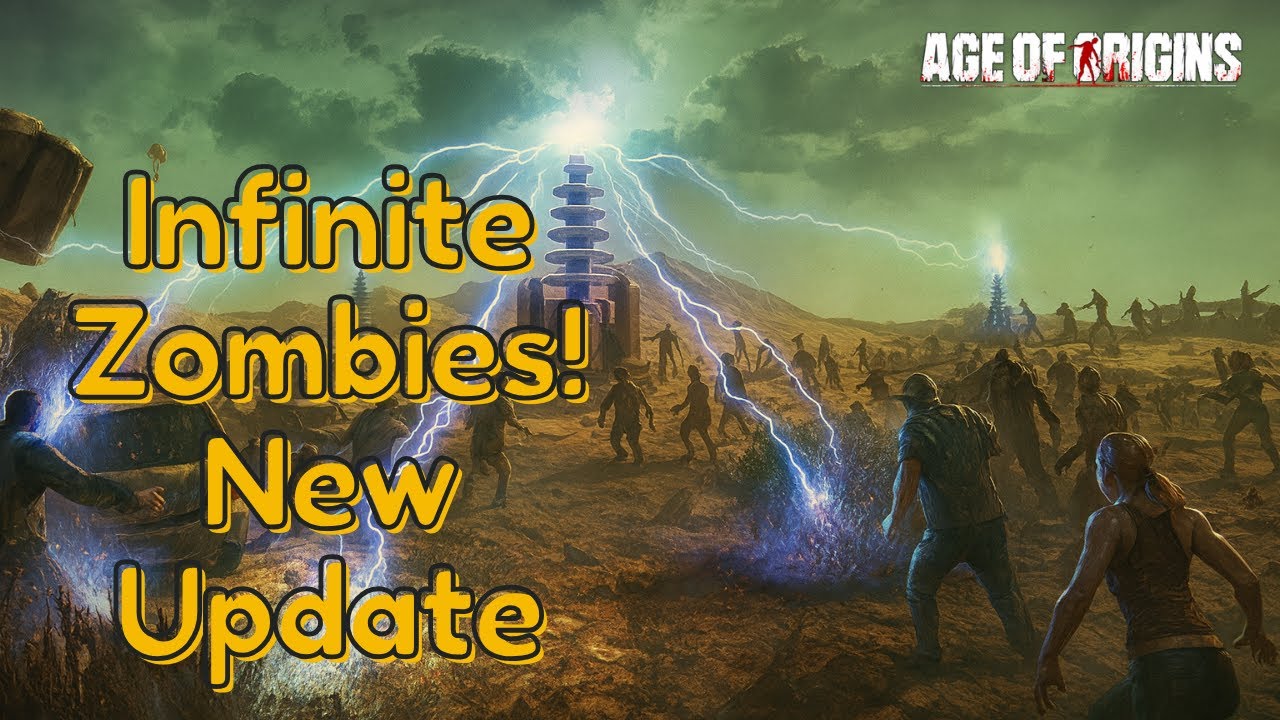
The Infinite Zombies event in Age of Origins represents a significant shift from traditional base-building mechanics, forcing players into a fast-paced tower defense scenario. Success in this mode isn't just about having high-level towers; it is about spatial awareness, economy management, and understanding how to manipulate enemy pathing. As the waves progress, the undead become faster, tougher, and more numerous, requiring a shift from static defense to active, micro-managed combat.
Strategic Turret Placement for Maximum Coverage
Your turret layout is the foundation of your survival. In Age of Origins, zombies follow predictable lanes, and your goal is to maximize "effective DPS time"—the amount of time a zombie spends within the firing arc of your most powerful weapons.
- The Choke Point Philosophy: Identify where lanes converge. These intersections are your primary defensive zones. Placing heavy Artillery or Gauss towers here ensures they are constantly firing rather than sitting idle.
- Layered Defense: Avoid placing all high-cost towers in one cluster. Instead, lead with slowing turrets (like Ice or Glue towers) at the front of the lane. This forces zombies to "bunch up," making them perfect targets for your splash-damage Artillery towers placed slightly further back.
- Avoid Over-Coverage: Don't waste resources covering empty map space. If a section of the lane doesn't see heavy traffic, leave it empty or place a low-cost, low-level deterrent. Focus your investment only on the areas where the highest volume of enemies converges.
Mastering Manual Skill Timing and Cooldowns
Manual skills in the Infinite Zombies mode are your "panic buttons" and your primary damage multipliers. If you use them randomly, you will likely hit empty ground or a single, low-health zombie.
Pro-Tip: Always wait for the "cluster." When zombies reach a choke point, their movement slows down as they navigate the turn. This is the optimal window to trigger Area-of-Effect (AoE) abilities. Using an ability here can clear an entire wave instantly, whereas using it on a spread-out group may only eliminate a handful of targets.
Managing your energy bar is equally critical. If you find your energy consistently empty, you are likely relying too heavily on active skills rather than passive turret damage. Invest in passive energy regeneration upgrades early in the event. This allows you to maintain a steady rotation of stuns and slows, keeping the zombies trapped in your kill zone indefinitely.
Adapting to Escalating Wave Patterns
The Infinite Zombies event uses a difficulty curve that punishes static gameplay. As you reach the later waves, you will encounter specialized undead units:
- Armored Zombies: These units soak up massive amounts of damage. If you see these, manually retarget your highest-DPS towers (like the Gauss turret) to focus fire on them immediately.
- Fast/Runner Zombies: These are designed to bypass your slow-firing, high-damage towers. Ensure you have at least one or two "rapid-fire" turrets placed near your exit point to clean up any stragglers that manage to slip past your main line.
If a breach seems inevitable, use your knockback skills. Pushing a group of zombies back to the start of a lane effectively gives your turrets a "second chance" to eliminate them, essentially buying you an extra 5–10 seconds of defensive uptime.
Balancing Resource Upgrades During the Event
A common mistake in Age of Origins is building too many low-level towers. In the later stages of the Infinite Zombies event, a single level-5 tower is vastly more efficient than three level-1 towers.
- Phase 1 (Setup): Build a basic defensive perimeter. Use low-cost units to ensure you have coverage across all active lanes.
- Phase 2 (Optimization): Stop building new towers. Identify your top three "kill zones"—the areas with the highest zombie density—and funnel all remaining resources into upgrading these specific towers to their maximum potential.
- Phase 3 (Efficiency): Sell off low-impact towers that are not performing. Reinvest that gold/resource into maxing out your core defensive structure.
Trade-offs and the 60/40 Meta
Every defensive choice in this mode involves a trade-off between Damage (DPS) and Crowd Control (CC). If you go 100% damage, you will kill individual zombies quickly but eventually get overwhelmed by the sheer volume of units. If you go 100% CC, you will keep them contained, but you will lack the raw power to finish them off before the wave timer expires.
The "60/40" rule is the gold standard for high-wave survival: 60% of your total turret investment should be in high-damage, armor-piercing structures, and 40% should be in slowing, stunning, or secondary fire-rate support. This balance ensures that your defense is robust enough to handle high-health elites while remaining agile enough to manage massive swarms.
Strategic Mistakes to Avoid
- Ignoring the Map Layout: The map is static. Don't play reactively; play based on the knowledge of where the spawns occur. If you know a massive wave is coming from the left, pre-position your assets before the wave starts.
- Panic-Spamming Skills: Using all your skills at once creates a "dead zone" where you have zero abilities available for the next 20 seconds. Stagger your ability usage to ensure you always have at least one defensive measure ready.
- Neglecting the "Exit": Always keep at least one high-tier tower near your base entrance. No matter how perfect your strategy is, the occasional unit will leak. Having a "goalie" tower prevents a single leaked zombie from ending your run prematurely.
By focusing on these tactical refinements, you can push deeper into the Infinite Zombies event. Remember that Age of Origins rewards the strategist who optimizes their environment rather than the player who simply tries to build the biggest guns. Keep your choke points tight, your energy managed, and your upgrades focused on your most active kill zones to dominate the leaderboard.

Free Age of Origins Codes
Current active codes and how to redeem them.

Michael Smith
Michael covers live-service games, events, reward systems, and efficient daily routines, turning frequent updates into clear actions for players.
COMMUNITY
Player Comments
61 players commented on this guide.
Good guide for Age of Origins players. The updates part was useful.
The explanation is clear, especially for beginners.
Can you add more details about updates in a future update?
This guide answered the exact question I had.