
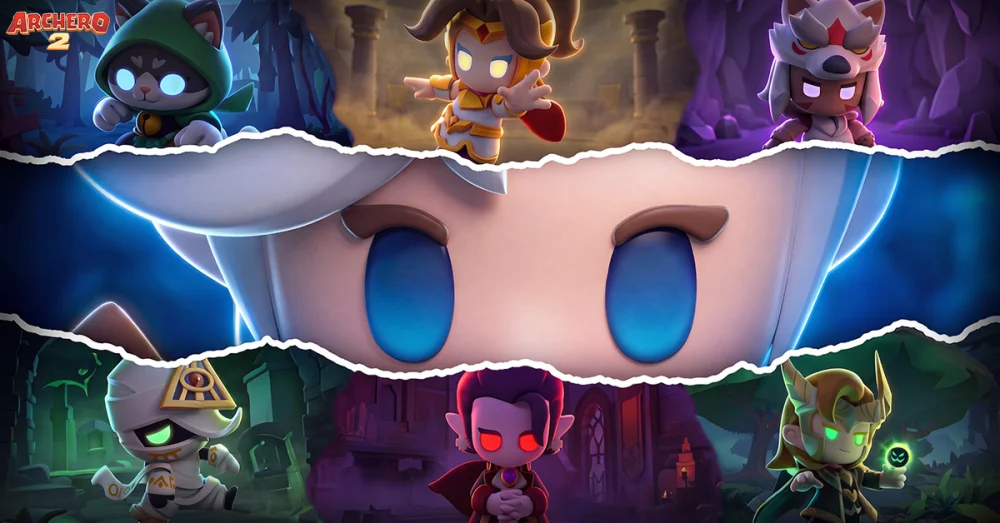
In Archero 2, the arrival of collaboration events often brings high-tier, limited-time cosmetic skins that promise both aesthetic flair and stat boosts. For the average player, especially those playing for free (F2P), these events present a difficult dilemma: should you spend your hard-earned gems or real-world currency on a transient item, or save them for steady, guaranteed account growth? The short answer is that for most players, collaboration skins are a trap designed to drain resources, and you should almost always prioritize core progression over these temporary event items.
Understanding the Gacha Mechanics in Archero 2
Archero 2 utilizes a gacha system for many of its premium events. Unlike standard store purchases where you know exactly what you are getting, collaboration skin banners often rely on randomized drop rates.
The core issue for players is the "pity" system. Often, these events require significant investment to reach a guaranteed pull, which can cost the equivalent of a full game purchase in real-world currency. When you roll on a collaboration banner, you are not just paying for a skin; you are participating in a system where the odds are heavily skewed against you. Before engaging, ask yourself: Is this skin necessary to clear my current stage, or is it merely a luxury? In 99% of cases, the answer is the latter.
The Pitfalls of "Stat Stick" Cosmetics
It is a common misconception in Archero 2 that a skin’s stat boost is a mandatory power upgrade. While these skins do provide bonuses—usually minor increases to Attack or HP—these stats are often additive rather than multiplicative.
If you compare the stat increase from a collaboration skin to the power gained from upgrading your weapon or leveling up your hero’s talents, the skin is almost always the less efficient choice. A Tier-S weapon upgrade provides a substantial jump in damage output that scales with every other stat you have. A skin, by contrast, provides a flat bonus that does not grow as you progress. Unless the skin provides a unique combat mechanic or a meta-shifting ability, it should be viewed as a cosmetic luxury, not a tactical requirement.
Why F2P Players Should Avoid Collaboration Gachas
The "Fear of Missing Out" (FOMO) is a powerful tool in mobile gaming. Developers design these events to feel urgent, pressuring players to spend gems they have saved for months. For F2P players, falling for this trap is the quickest way to halt your progression.
Every gem spent on a low-probability banner is a gem you cannot spend on:
- S-Tier Equipment Chests: These are the backbone of your power. Consistent pulls here ensure your gear rarity increases, which is the most reliable way to push through high-difficulty chapters.
- Hero Shard Exchanges: Unlocking new heroes and starring up your current ones provides permanent, global stat boosts that benefit every aspect of your gameplay, from the Trial Tower to PvP.
- Energy Refills: While less glamorous, spending gems on energy allows you to farm more gold, scrolls, and equipment drops. This "slow and steady" approach is mathematically superior to gambling on a skin that offers only a marginal benefit.
Evaluating Value: Cost vs. Performance
To determine if a skin is worth your time, calculate the "cost per stat point." If an event requires roughly 3,000 yen (or your local equivalent) to reach a milestone, look at the in-game shop. What could that same amount of currency buy in terms of direct resource bundles?
You will often find that direct purchases—such as bundles containing hero shards, upgrade materials, or gold—provide significantly more raw power than a collaboration skin. If you are struggling to clear a stage, the skin will not fix your build; the resources required to upgrade your existing gear will.
When Is It Ever Worth Spending?
There are very rare, specific exceptions where participating in an event makes sense:
- Unique Combat Mechanics: If the collaboration skin changes how a hero functions (e.g., changing projectile behavior or adding a unique dodge mechanic), it may be worth the investment. Always check the forums or community hubs to see if high-level players consider the skin a "must-have" for specific endgame metas.
- The "Pity" Threshold: If you have been saving gems for months and find that you are only a few pulls away from the guaranteed skin, it may be a reasonable expenditure. Only do this if you have already achieved a high baseline of gear power.
- High-Value Event Bundles: Sometimes, the event itself offers bundles that include the skin plus enough resources (shards, keys, gold) to make the overall package worth the price. Evaluate the total value of the bundle, not just the skin.
Strategic Checklist Before You Spend
Before you hit that "pull" button, run through this mental checklist:
- Check the Meta: Is the hero associated with the skin actually viable in the current endgame, or are they being replaced by newer, stronger heroes?
- Audit Your Gear: Are all your primary items at least Legendary or Mythic grade? If not, your gems are better spent on equipment chests.
- Calculate the Gem Cost: Can you reach the reward threshold without spending real money? If the answer is no, ask if the skin is worth the actual cash price.
- Long-Term Utility: Will this skin be useful six months from now, or will it be obsolete when the next collaboration event arrives?
Conclusion
In Archero 2, the path to power is paved with consistent, long-term resource management. Collaboration skins are designed to look impressive, but they rarely provide the mechanical edge needed to dominate the game’s most challenging content. By resisting the urge to gamble on event-exclusive gachas and focusing your gems on core upgrades, you ensure that your account continues to grow in power and versatility. Keep your eyes on the long game, and don't let the allure of temporary cosmetics derail your progress.
Free Archero 2 Codes
Current active codes and how to redeem them.

Michael Smith
Michael covers live-service games, events, reward systems, and efficient daily routines, turning frequent updates into clear actions for players.
COMMUNITY
Player Comments
100 players commented on this guide.
This helped me understand resources much better.
The tips are practical and easy to follow.
Can you add more details about resources in a future update?
This saved me time in the early game.