
To maintain a competitive edge in Astra Squad, you must pivot your strategy to accommodate the latest rules governing large-scale infantry squads and revised artillery profiles. The current update shifts the focus toward maximizing unit density for objective control and re-evaluating the damage output of main battle tanks. By understanding these mechanical changes, you can effectively adjust your list-building priorities and resource allocation to ensure your forces remain resilient against evolving battlefield threats.
Leveraging 20-Man Infantry Blobs for Board Control
The introduction of 20-man infantry squads marks a significant shift in how you should build your frontline presence. By consolidating your troops into these larger formations, you maximize the impact of every issued order and buff. This change is designed to create durable "blobs" that act as anchors for your army, allowing you to hold critical objectives against superior numbers while forcing your opponent to dedicate significant resources to clear them.
When deploying 20-man units, prioritize positioning them in cover to maximize their inherent survivability. Because these units represent a larger percentage of your total model count, they are more susceptible to morale-related mechanics or area-of-effect weapons. However, the sheer volume of bodies makes them an ideal delivery system for special weapons, allowing you to concentrate firepower effectively while simultaneously screening your more valuable support assets from early-game attrition.
Managing Command Points for Squad Efficiency
Command Points (CP) are now more deeply integrated into the management of your infantry, requiring a more disciplined approach to how you spend your tactical resources. The latest rules suggest that CP expenditure for squads is no longer an optional luxury but a core component of maintaining unit effectiveness throughout the engagement. You must decide whether to invest CP into defensive buffs to keep your 20-man units on the board or save them for offensive stratagems.
This transition requires you to track your CP reserves carefully during the movement phase. Do not overextend your infantry if you lack the CP to keep them functional under fire. Instead, maintain a "CP safety net" to trigger essential defensive maneuvers when an enemy unit forces a morale check or attempts to wipe out a consolidated squad. This shift turns your infantry management into a resource-heavy tactical game rather than a simple numbers-based attrition model.
Re-evaluating the Battle Cannon in Modern Combat
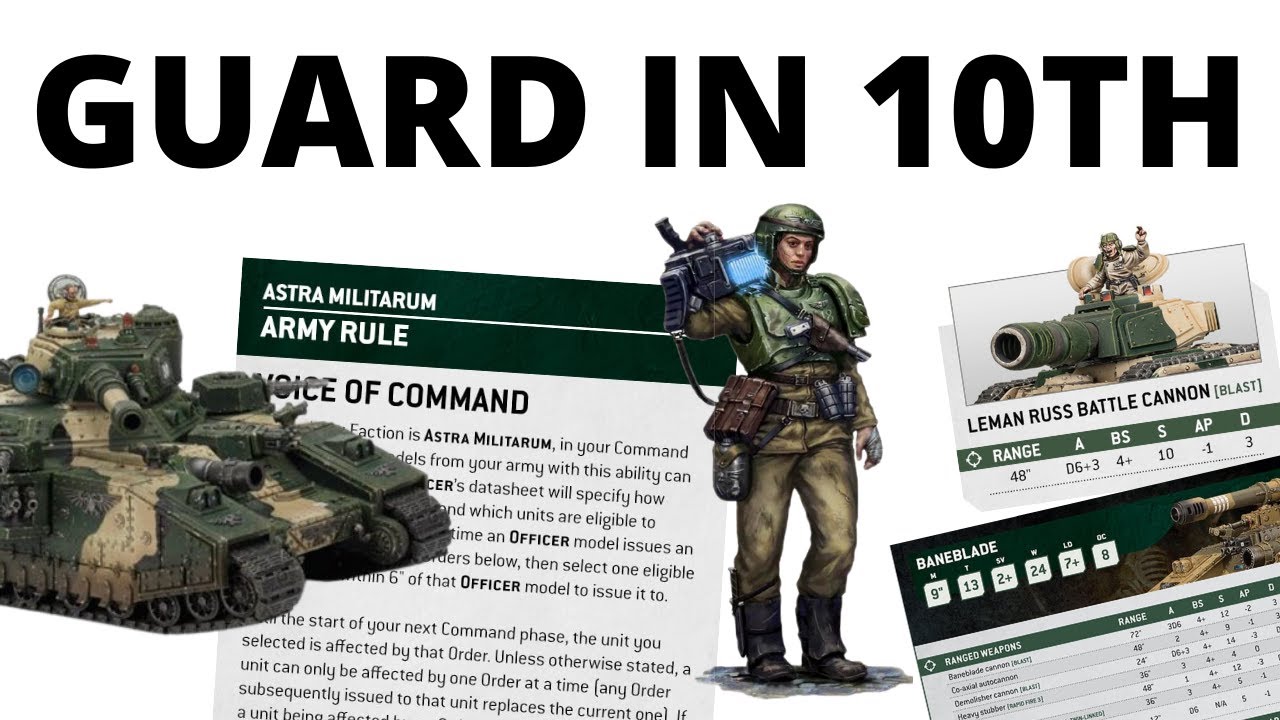
The recent balance adjustments to the Battle Cannon have introduced a notable trade-off in damage reliability, forcing players to rethink their heavy armor strategy. While the weapon remains a staple of the Astra Squad arsenal, its reduced performance against specific armor classes means you can no longer rely solely on it for high-value target elimination. You must now determine if the Battle Cannon’s remaining utility justifies its point cost compared to newer, more specialized artillery options.
To mitigate this nerf, consider pairing your Battle Cannon tanks with dedicated anti-armor support units. By diversifying your heavy support, you ensure that you aren't left defenseless if your main artillery fails to hit critical breakpoints. Evaluate your enemy’s composition before committing to a tank-heavy list; if the meta shifts toward high-toughness units, you may find that the Battle Cannon serves better as a crowd-control tool rather than your primary method of tank destruction.
Maximizing Orders and Synergies
Orders remain the backbone of your operational flow, and the transition to larger squad sizes fundamentally changes how you distribute these buffs. When you issue an order to a 20-man squad, the return on investment is significantly higher than it would be for smaller, fragmented units. Focus your Command Squads on rotating buffs through your largest infantry blobs to ensure they are always operating at peak efficiency, whether you are prioritizing movement or fire density.
When planning your list, ensure your Command Squads have clear lines of sight or communication channels to these blobs. If your commander is sniped or cut off from the main force, the efficiency of your 20-man units will drop drastically. Build your formation with redundancy in mind, ensuring that at least two units can receive orders simultaneously, providing you with the tactical flexibility to respond to flanking maneuvers without sacrificing your primary offensive posture.
Strategic Trade-offs and List Composition
Adopting these new rules requires a departure from legacy list-building habits. The primary trade-off for running 20-man squads is reduced mobility; you are trading speed and flexibility for raw durability and objective dominance. You will find that your army is less capable of reacting to rapid enemy movements, meaning your deployment phase is now more critical than ever. If you commit these large squads to the wrong sector of the map, it is difficult to reposition them effectively.
Furthermore, the shift in Battle Cannon utility means your points are better spent on balanced compositions. A list that relies exclusively on mass infantry or mass artillery will likely struggle against the versatility of current competitive lists. Use the points saved from reducing your heavy artillery count to increase the number of specialized infantry squads, creating a more resilient "combined arms" approach that can handle a wider variety of threats in both offensive and defensive roles.

Free Astra Squad Codes
Current active codes and how to redeem them.

Emily Johnson
Emily writes practical mobile strategy guides with a focus on resource planning, base progression, and the early decisions that shape a long-term account.
COMMUNITY
Player Comments
118 players commented on this guide.
Good guide for Astra Squad players. The updates part was useful.
I wish I had read this before upgrading the wrong thing.
This saved me time in the early game.
The tips are practical and easy to follow.