
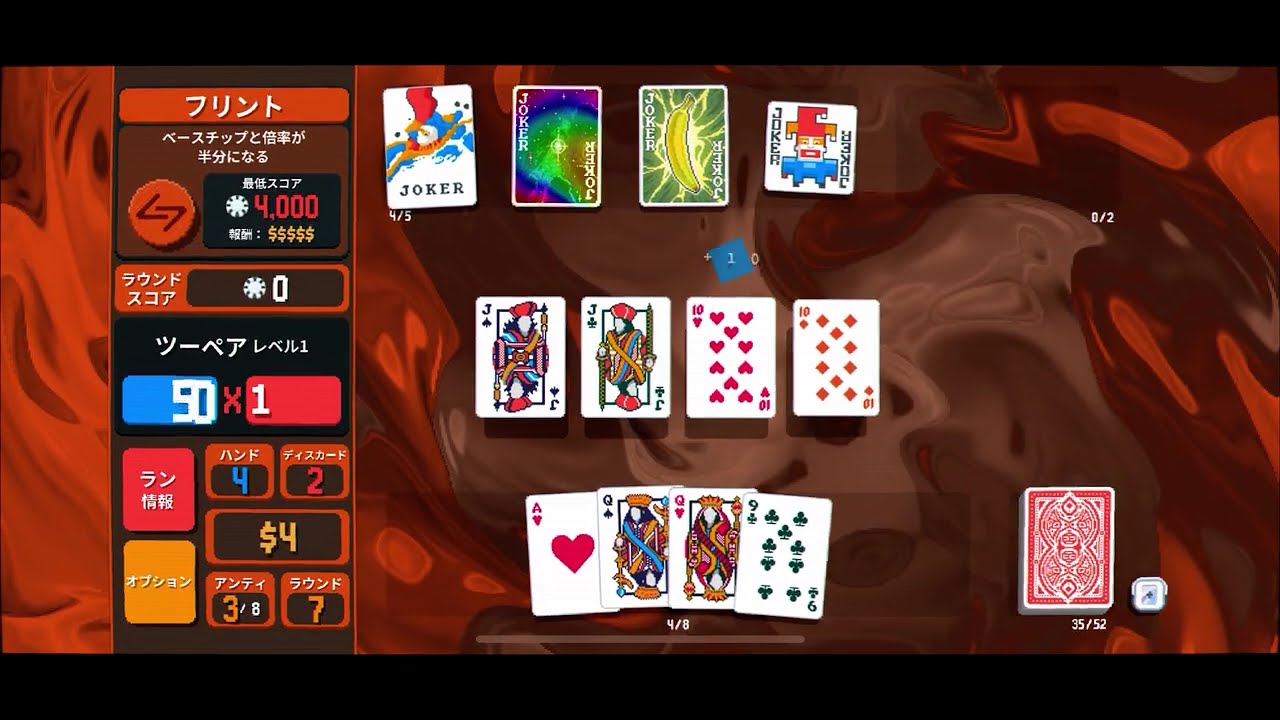
Success in Balatro+ is rarely a matter of luck; it is a game of calculated resource management, synergy identification, and risk mitigation. Whether you are playing on the Red Deck or pushing through higher difficulties, the core of a winning run lies in your ability to build an engine that scales faster than the required scores of the Boss Blinds. This guide explores the advanced tactics required to move from surviving early Antes to dominating the late game.
Understanding Scalable Joker Synergies
The most common mistake for newer players is over-investing in static Jokers—cards that provide a fixed +Mult or +Chips. While these are essential for clearing the first two Antes, they quickly lose efficacy as the scoring requirements escalate. To survive the mid-to-late game, you must pivot toward scaling Jokers.
The Hierarchy of Scaling
- Flat Mult Scalers: Jokers like Green Joker or Jolly Joker (depending on your hand focus) provide consistent, growing returns. These are your bread and butter for the mid-game.
- Exponent Multipliers (xMult): These are the true endgame requirements. An x2 or x3 multiplier on top of a massive chip base is what allows you to clear millions of points. Never discard an xMult Joker unless you have a statistically superior replacement.
- Engine Synergy: Identify Jokers that feed each other. For example, a Joker that creates Tarot cards (like The Hermit or Death) can be used to modify your deck, which in turn feeds into a Joker that rewards specific card enhancements (like Steel or Glass cards).
Expert Tip: Always place your xMult Jokers at the far right of your Joker row. Balatro+ calculates multipliers from left to right; placing your +Mult cards first ensures the xMult Jokers apply to the largest possible sum.
The Art of Economy: Maximizing Interest
Gold in Balatro+ is your most flexible asset. It buys Jokers, rerolls the shop, and purchases essential consumables. To maintain a high-performing run, you must master the "Interest Economy."
The Interest Threshold
You earn $1 in interest for every $5 you hold, up to a maximum of $5 per round.
- The Golden Rule: Never drop below $25 unless you are on the verge of losing a run.
- The "Safety" Spend: If you are comfortably clearing blinds, only spend your surplus (anything over $25). If you are struggling, it is better to spend down to $10 to find a key Joker than to hoard cash and lose the run with $30 in the bank.
When to Reroll: Only reroll the shop if you have a specific target—such as looking for a Planet card to level up your primary hand or a specific Joker that completes a build. Blindly rerolling is the fastest way to bleed your economy dry.
Navigating Boss Blinds
Boss Blinds are the "gatekeepers" of your run. They are designed to punish specific playstyles. To mitigate this, your deck should ideally have a "Plan B."
- Anticipate the Debuff: If your build relies entirely on a single suit (e.g., Flushes), you will eventually hit a Boss Blind that debuffs that suit. Always carry a secondary scoring method or a way to manipulate your deck (via Tarot cards) to swap suits before the final round.
- The Power of Consumables: Don’t hoard your Tarot and Spectral cards. If a Boss Blind poses a threat to your specific build, use your consumables to change your deck composition immediately. A Death card can turn a non-scoring card into a high-value Steel card, potentially providing the extra boost needed to survive a debuff.
Tactical Deck Manipulation
Your deck is not static; it is a living resource. Every hand you play should ideally serve two purposes: scoring points and thinning the deck.
- Thinning: Use discards to remove low-value cards from your deck. The smaller your deck, the higher the mathematical probability of drawing your "scoring" cards.
- Enhancements: Prioritize Steel cards (which grant x1.5 mult when held in hand) for your high-rank cards. Glass cards are excellent for burst damage but be wary of their 1-in-4 break chance; use them only when you are confident they will end the round.
- Planet Card Investment: Leveling up your hands is a passive way to guarantee higher scores. Even if your Joker luck is poor, a Level 10 Flush or Full House provides a base score that can carry you through many Antes.
The Risk/Reward Decision Matrix
Every turn in Balatro+ is a series of decisions. To improve, adopt this mental checklist when approaching the shop:
- Current Status: Can I clear the next Blind with my current deck?
- Yes: Save money, prioritize interest, and look for long-term growth (e.g., Planet cards or Joker slots).
- No: Spend gold to pivot or upgrade. Finding a "stop-gap" Joker to survive one more round is often better than losing while holding $40.
- Slot Efficiency: Do I have a "dead" Joker? If a Joker is only providing +10 mult and you have access to something that scales, sell the dead weight. Joker slots are the most valuable real estate in the game.
- Future-Proofing: Am I too reliant on one hand type? If you are only playing Pairs, you are vulnerable to the "Small Blind" or "Big Blind" that requires more cards. Try to diversify your hand types if possible.
Common Mistakes to Avoid
- Holding onto "Early Game" Jokers too long: That +4 Mult Joker was great in Ante 1, but it is taking up a slot that could be used for an xMult or a utility Joker in Ante 5.
- Ignoring the Shop: Sometimes the best card isn't a Joker, but a The Hierophant Tarot card to turn cards into Gold cards for long-term income.
- Playing too fast: Balatro+ is a game of probability. Take a second to look at your deck list and calculate your odds of drawing the cards you need.
By prioritizing scalable multipliers, maintaining a healthy gold reserve for rerolls, and treating your deck as a flexible tool, you will find that the higher Antes become much more manageable. The key is to constantly adapt; the build that carries you through the first few rounds is rarely the same one that takes you to the end.

Free Balatro+ Codes
Current active codes and how to redeem them.

Michael Smith
Michael covers live-service games, events, reward systems, and efficient daily routines, turning frequent updates into clear actions for players.
COMMUNITY
Player Comments
131 players commented on this guide.
The tips are practical and easy to follow.
This helped me understand early game much better.
The explanation is clear, especially for beginners.
Good guide for Balatro+ players. The early game part was useful.