
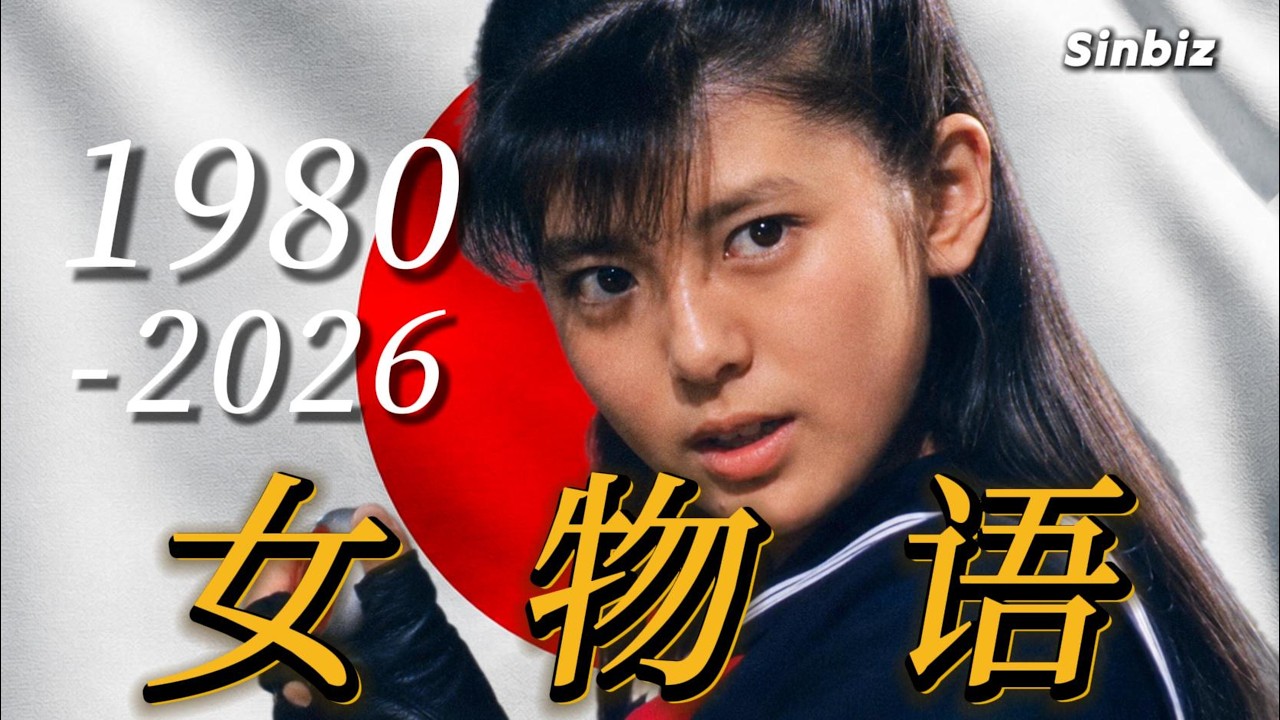
In Battlezone Saga: Gacha Diva, a character’s aesthetic is far more than a cosmetic layer; it is a critical narrative and psychological tool that dictates player reception, squad cohesion, and tactical immersion. By drawing from the distinct shifts in Japanese cultural history—spanning the understated reliability of the Showa era, the bold extravagance of the Heisei bubble period, and the refined, digital-first minimalism of the Reiwa era—you can curate squads that not only perform optimally but also resonate with specific player expectations.
This guide explores how to leverage these era-based design philosophies to build a visually authoritative and high-impact roster in Battlezone Saga: Gacha Diva.
Aligning Character Design with Showa-Era Values
The Showa era serves as the foundational "classic" archetype in Battlezone Saga: Gacha Diva. When designing or selecting units intended to represent traditionalism, mentorship, or steadfast reliability, focus on clean, structured silhouettes and conservative, grounded color palettes.
Key Design Principles:
- Silhouette: Prioritize structured, uniform-based designs that suggest functionality. Avoid oversized accessories.
- Color Palette: Utilize muted, earthy tones or deep, primary colors that evoke a sense of nostalgic earnestness.
- Visual Markers: Incorporate singular, iconic elements such as school-style tunics, simple hair ribbons, or classic military-inspired hardware.
Strategic Application: These designs excel for support or defensive tank units. Players subconsciously associate these visual cues with stability. When a player sees a Showa-era inspired unit, they immediately perceive a character that is built to last, making them the perfect anchor for your front-line formations.
Leveraging Heisei Bubble Aesthetics for Impact
The Heisei bubble period is defined by transition, excess, and individualism. For "Diva" class characters—the stars of your roster who are meant to dominate the battlefield and the gacha menu—adopting this aesthetic is essential for signaling luxury, confidence, and peak performance.
Key Design Principles:
- Contrast: Utilize high-contrast color schemes (think vibrant neon against gold or deep blacks) that demand immediate player attention.
- Ornamentation: Lean into oversized accessories, experimental textures, and layered fabrics that suggest rapid economic and cultural expansion.
- Dynamic Flow: Use asymmetrical, flowing silhouettes that break the grid, signaling that these units are disruptive forces on the battlefield.
Strategic Application: This philosophy is best reserved for burst DPS or "Main Diva" units. The visual excess acts as a hook, telling the player that this unit is a central pillar of the team’s identity. When these characters execute high-impact skills, their complex, ornate design helps them stand out against the backdrop, reinforcing their status as a "must-pull" hero.
Integrating Reiwa-Era Digital Minimalism
The Reiwa era represents the "digital native" shift: speed, connectivity, and precision. In the current meta of Battlezone Saga: Gacha Diva, these designs are the gold standard for high-speed, tech-focused, or cyber-themed units.
Key Design Principles:
- Minimalism: Focus on slim-fit, aerodynamic silhouettes that suggest high mobility.
- HUD Integration: Incorporate subtle digital interface elements, such as glowing data streams or haptic-feedback armor plating.
- Palette: Favor cool, neutral, or matte backgrounds punctuated by singular, sharp neon accents.
Strategic Application: This style is perfect for strikers, hackers, or utility-focused units. Unlike the heavy ornamentation of the Heisei era, Reiwa-inspired designs favor utility-driven aesthetics. These characters communicate agility and technical prowess, making them feel like the most modern, efficient tools in your commander’s arsenal.
Mapping Historical Archetypes to Gameplay Roles
To maintain consistent player expectations, your character’s visual era should mirror their gameplay mechanics. This synergy allows players to intuitively categorize units without needing to constantly check stat blocks.
| Era | Primary Role | Psychological Signal |
|---|---|---|
| Showa | Tank / Defender | Reliability, tradition, "the wall." |
| Heisei | Burst DPS / Diva | Glamour, high visibility, "the center stage." |
| Reiwa | Support / Striker | Agility, intelligence, "the precision strike." |
By adhering to these pairings, you minimize cognitive load for the player. When a player sees a Reiwa-style unit, they immediately expect a high-speed, technical playstyle; when they see a Showa-style unit, they expect defensive fortitude.
Managing Visual Cohesion in Squad Builds
A common mistake in Battlezone Saga: Gacha Diva is the "cluttered squad," where units from conflicting eras are thrown together without thematic consideration. While mixing eras can create an "evolutionary" narrative, it can often lead to visual discordance that breaks immersion.
Strategies for Cohesion:
- Thematic Anchoring: Choose a "lead" unit that defines the era of your squad. If your leader is a Heisei-era Diva, surround her with units that feature at least one common color palette or silhouette shape to tie the team together.
- The Transitionary Gradient: Create a story-driven team by mixing eras in a logical flow, such as a Showa-era mentor leading a group of Reiwa-era digital strikers. This creates a visual "timeline" on your screen that feels intentional.
- Environmental Context: Always consider the stage background. If you are playing in a gritty, industrial zone, Reiwa-era digital units will pop, whereas Showa-era units may feel more "at home." Use your team composition to contrast or complement the setting to keep the visuals from becoming muddy.
Common Mistakes to Avoid
- Over-Designing: Adding too many Reiwa-style digital HUDs to a Showa-era base design creates a "noisy" character that lacks a clear identity. Pick one era's core philosophy and commit to it.
- Ignoring Background Lighting: Battlezone Saga: Gacha Diva features diverse environments. A high-contrast Heisei design might look incredible in a neon-lit urban stage but can be hard to read in a dark, rural forest environment. Always test your squad’s visual identity across different stage types.
- Prioritizing Style Over Functionality: Never let aesthetic choices obscure the character's role. If your Tank (Showa) looks like a fast-moving Striker (Reiwa), you will confuse the player during high-stress tactical moments.
By strategically applying these historical design principles, you ensure that every unit in Battlezone Saga: Gacha Diva tells a story, fits their mechanical role, and provides a polished, professional experience for your players.

Free Battlezone Saga: Gacha Diva Codes
Current active codes and how to redeem them.

James Brown
James focuses on Android gaming on PC, emulator setup, controls, performance tuning, and practical troubleshooting for longer play sessions.
COMMUNITY
Player Comments
80 players commented on this guide.
The tips are practical and easy to follow.
This guide answered the exact question I had.
This helped me understand heroes much better.
Can you add more details about heroes in a future update?