
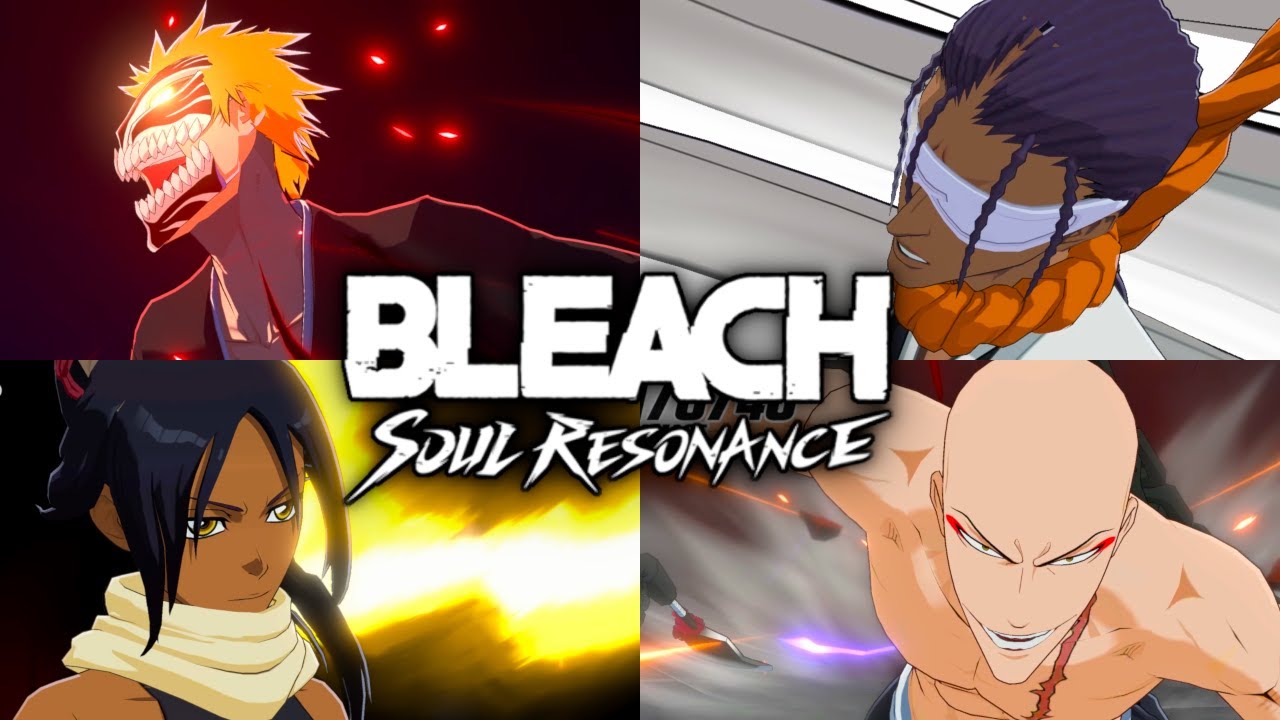
In BLEACH Soul Resonance, success depends less on raw power and more on how effectively you integrate your SSR characters’ unique kits into a cohesive combat strategy. Because each SSR unit features distinct mechanical scaling, weapon properties, and animation windows, understanding their roles as anchors, debuffers, or crowd-control specialists is the first step toward clearing high-difficulty content. This guide provides an expert breakdown of how to evaluate, build, and deploy your SSR roster to dominate the battlefield.
Analyzing Core Combat Archetypes
To build a top-tier team in BLEACH Soul Resonance, you must move beyond character rarity and focus on combat archetypes. Every SSR unit is designed to fill a specific niche, and forcing a mismatch—such as using a back-line support as your primary melee anchor—will lead to inefficient rotations and failed mission objectives.
- Primary DPS (Anchors): These units, often featuring high-speed melee chains, are designed to stay on the field and maintain pressure. Their value lies in "Combo Multipliers"—the ability to deal increased damage as their attack string continues.
- Utility & Debuffers: Characters like Mayuri Kurotsuchi specialize in lowering enemy defense or applying status effects. These units are vital for boss encounters where enemy armor thresholds are high.
- Crowd Control (CC) Specialists: Essential for wave-clearing modes, these characters possess wide-reaching attacks that can stagger multiple enemies at once, preventing the player from being overwhelmed.
Expert Insight: Always observe the "Hit-Box Reach" of your characters. A unit with high agility but a narrow hit-box requires precise positioning, making them harder to play but potentially more rewarding during single-target boss fights. Conversely, characters with sweeping, horizontal attacks are your best assets for crowd management.
Mastering Ultimate Ability Potential
The signature ultimate in BLEACH Soul Resonance is more than a flashy animation; it is a tactical reset button. These abilities typically offer massive burst damage, invulnerability frames, or team-wide stat buffs. The difference between a high-ranking player and a casual one is the mastery of "Ultimate Weaving."
When to Trigger Your Ultimate
Never fire your ultimate on cooldown. Instead, prioritize these windows:
- Stagger Windows: Bosses in BLEACH Soul Resonance often have a "Guard Break" state. Saving your ultimate for these moments ensures you are hitting during the enemy’s most vulnerable phase, multiplying your damage output.
- Emergency Invulnerability: If you are caught in a boss’s unavoidable attack telegraph, triggering an ultimate can grant you critical i-frames, allowing you to bypass damage while continuing your offensive momentum.
- Rotation Enders: Use your ultimate at the end of a long melee combo to maximize the total damage scaling of your full sequence.
Pro Tip: Use the game's practice mode to study the "Wind-up Time" of your character’s ultimate. If an animation is too long, a fast-moving boss may interrupt you, wasting both your energy and your burst window.
Strategic Resource Allocation for SSR Units
One of the most common mistakes in BLEACH Soul Resonance is spreading resources too thinly across an entire roster. Because enhancement materials are finite, you must prioritize "Core Teams"—a trio of characters that share elemental or mechanical synergies.
The Upgrade Hierarchy
When you pull a new SSR, evaluate them against these three metrics before spending your upgrade materials:
- Stat Scaling: Does the character gain meaningful power spikes at level milestones? Some units are "early-game monsters" that lose relevance, while others scale exponentially with late-game gear.
- Synergy Potential: Does the unit’s passive ability empower the rest of your team? A support that increases the Crit Rate of your primary DPS is often more valuable than a solo-carry who doesn't interact with the team.
- Versatility: Focus your resources on units that perform well across multiple modes—Story, Challenge, and PvP. A niche character should only be upgraded after your core team is fully optimized.
Navigating Trade-offs and Meta Shifts
No character in BLEACH Soul Resonance is a one-size-fits-all solution. Every kit comes with inherent trade-offs. A character with massive burst damage might suffer from slow movement or long animation recovery, making them high-risk in intense, multi-enemy encounters.
The Reality of the Meta
The meta in BLEACH Soul Resonance is fluid. As new characters are introduced and boss modifiers change, the "best" unit for a specific task may shift.
- Adaptability: If a boss counters melee characters with high-frequency counter-attacks, you must be prepared to swap to a ranged or tactical unit.
- Gear Synergy: Don't view characters in isolation. The right gear set can often mitigate a character's greatest weakness. If a character has low attack speed, look for gear that offers speed bonuses to round out their performance.
Practical Tips for Success
- Pre-Register and Redeem: Always check for active codes (such as the launch code
BLEACHOBT21) to secure early-game resources. These materials are essential for getting your first team over the early-level hurdles. - Animation Canceling: Learn to dash-cancel out of long attack recovery frames. This allows you to stay mobile while maintaining an aggressive tempo, effectively increasing your "Damage Per Second" without needing stronger gear.
- Team Composition Check: Always ensure your team has at least one source of "Armor Breaking." Without this, you will struggle against shielded bosses, regardless of how much you have leveled your DPS.
By focusing on these mechanical fundamentals and resisting the urge to upgrade every SSR you pull, you will build a more resilient, effective team. Master the mechanics of your chosen characters, respect the timing of their ultimates, and adapt your team to the specific challenges of each encounter to truly resonate with your soul-reaping potential.

Free BLEACH Soul Resonance Codes
Current active codes and how to redeem them.

Emily Johnson
Emily writes practical mobile strategy guides with a focus on resource planning, base progression, and the early decisions that shape a long-term account.
COMMUNITY
Player Comments
121 players commented on this guide.
Can you add more details about heroes in a future update?
This guide answered the exact question I had.
The tips are practical and easy to follow.
I tried this today and it worked better than my old setup.