
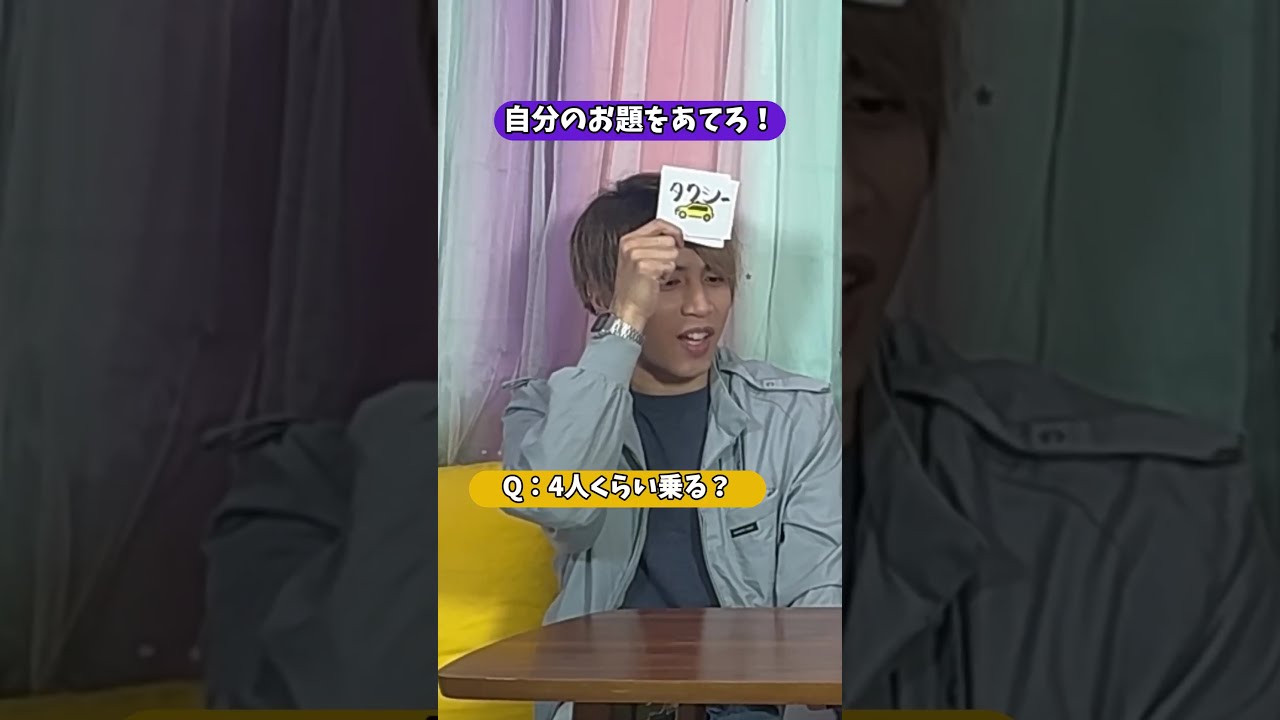
To deduce a secret prompt using only questions in Charades - Family & Party Game, eliminate broad conceptual categories before asking about specific objects. When you cannot see the card, your first step is asking binary questions that establish biological status, physical reality, and everyday scale. Establishing these baseline parameters prevents wasted turns and gives your team a clear framework for yes-or-no answers.
Establish Core Reality and Life Status First
Open your questioning round by classifying the target's fundamental state of existence. Do not waste early questions on specific nouns like an animal or a kitchen appliance.
- Life Status: Ask if the subject is a living entity. If yes, branch immediately between plants and animals, followed by human versus non-human.
- Physical Tangibility: If the subject is not alive, ask if it is a tangible object. A negative response isolates abstract concepts, emotions, titles, or events.
- Fictional vs. Real: Confirm whether the subject exists in the real world or originates from fiction, mythology, or pop culture.
This initial sequence eliminates the majority of the card deck in two or three questions, ensuring subsequent inquiries target the correct category.
Narrow Scale, Location, and Accessibility
Once you confirm the prompt is a tangible, man-made object or real-world creature, determine its physical dimensions and typical environment.
| Inquiry Phase | Target Filter Question | Primary Elimination Value |
|---|---|---|
| Volume | "Is this smaller than a standard microwave?" | Separates handheld items from furniture, vehicles, and appliances. |
| Setting | "Is this typically found inside a home?" | Filters residential objects from commercial, industrial, or outdoor fixtures. |
| Placement | "Does this belong in a specific room, like a kitchen or bathroom?" | Pins the object to dedicated household tasks and routines. |
| Availability | "Can an average person buy this at an ordinary retail store?" | Separates daily consumer goods from specialized tools or luxury assets. |
If teammates confirm the object belongs indoors, isolate the room by utility. Kitchens and bathrooms indicate tools, plumbing, or hygiene products, while bedrooms and offices suggest furniture, electronics, or personal supplies.
Target Interaction and Functional Utility
Isolating how humans handle or interact with the item bridges the gap between a room category and a specific object. A small kitchen item could still be cutlery, cookware, or an appliance.
- Power Source: Ask whether the item requires electricity or operates via manual effort.
- Body Mechanics: Ask how the user interacts with it physically, such as whether it is held in one hand, worn on the body, or operated at eye level.
- Primary Function: Ask whether the item alters something else, such as cutting food, holding liquids, or generating heat.
Decode Teammate Hesitation and Conflicting Clues
When clue-givers pause, disagree, or give mixed responses, the hidden prompt usually has variable traits or multiple common definitions. Straightforward items receive instant answers, whereas split reactions indicate ambiguity.
When facing hesitation or conflicting signals:
- Spot the Ambiguity: Pauses on questions about size or cost usually mean the item exists in multiple formats, such as a musical instrument or a screen. Pauses on food questions often indicate raw ingredients, spices, or garnishes rather than complete meals.
- Clarify the Format: Ask if the item exists in both portable and stationary versions, or if its classification depends on context.
- Anchor to the Everyday Standard: Ask your team to answer based exclusively on the most common household version of the prompt.
Verify Before Guessing
Confirm three independent attributes before declaring a final answer to avoid wasting your turn:
- Category: Confirm the baseline domain, such as an electronic appliance or a domesticated animal.
- Physical Trait: Confirm a key constraint, such as handheld size or battery operation.
- Primary Verb: Confirm the specific action tied to the prompt, such as blending, cleaning, or illuminating.
Once all three traits match, state the exact noun clearly so your team can record the correct answer and move to the next card.
Free Charades - Family & Party Game Codes
Current active codes and how to redeem them.

Sarah Williams
Sarah specializes in RPG and collection games, explaining team building, character growth, and beginner-friendly ways to avoid expensive early mistakes.
COMMUNITY
Player Comments
35 players commented on this guide.
The tips are practical and easy to follow.
I tried this today and it worked better than my old setup.
This guide answered the exact question I had.
I wish I had read this before upgrading the wrong thing.