
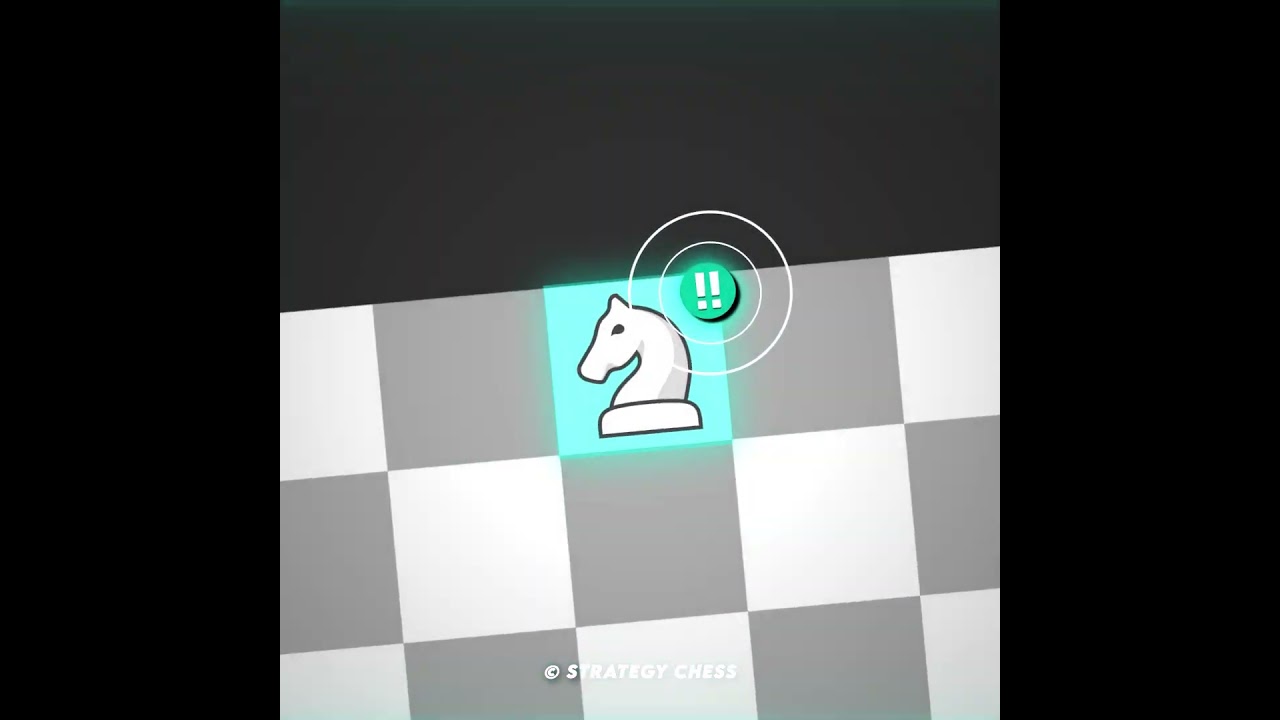
In Chess.com - Play and Learn endgames, promote a pawn to a knight instead of a queen when delivering an immediate check secures the tempo in a pawn race, when a fork captures an opposing threat, or when queening would cause an accidental stalemate. If your pawn reaches the eighth rank while your opponent is one turn away from promoting their own pawn with check, selecting a queen without check surrenders the initiative and often loses the game. A knight underpromotion breaks the standard race dynamics by forcing your opponent to spend their turn responding to a check.
Before executing this tactic in live matches, check your account settings. If the platform setting Always Promote to Queen is enabled, Chess.com - Play and Learn will automatically assign you a queen upon reaching the eighth rank, preventing underpromotions. Toggle this setting off to receive a piece selection prompt, or hold your platform's manual override key while moving the pawn.
Queen Promotion vs. Knight Underpromotion
Choosing between a queen and a minor piece depends on king geometry, king mobility, and move order.
| Factor | Queen Promotion | Knight Underpromotion |
|---|---|---|
| Primary Strength | Maximum board coverage across ranks, files, and diagonals | Unique L-shaped checking angles and jumping capability |
| Tempo Impact | Neutral if the enemy king is not aligned along an open line | Forcing if the promotion square sits an L-shape away from the king |
| Stalemate Risk | High when the enemy king is trapped on an edge with no legal moves | Low, leaving adjacent escape squares open for the opposing king |
| Defensive Reach | Requires open lines of sight to stop opposing pawns | Can attack or control squares over blocking pawns |
Calculating Pawn Races and Forcing Tempos
Endgame pawn races are decided by ply-by-ply tempo calculation. When both sides have passed pawns racing down the board, the player who creates an immediate threat dictates the outcome:
- Calculate the opponent's counterplay: Determine whether the opponent's pawn can promote on the next ply with a winning check or attack. If your queen promotion does not come with check, the opponent may promote immediately and seize the initiative.
- Identify checking geometry: If the enemy king sits an L-shape away from your eighth-rank promotion square (two squares along one axis and one square perpendicular), promoting to a knight delivers an immediate check.
- Exploit the forced response: Because a player cannot ignore check, cannot block a knight's line of attack, and can only eliminate the threat by capturing the knight or moving the king, their passed pawn remains frozen for a turn.
- Convert the gained ply: Use the extra turn to capture the opponent's remaining passed pawn, deliver a subsequent fork, or coordinate your king to finalize checkmate.
Forks and Stalemate Prevention
Beyond simple tempo gains, knight underpromotions solve two recurring endgame dilemmas:
- Forking king and promotion squares: If the enemy king and the opponent's promotion square (or an already promoted piece) share knight-fork geometry, underpromoting delivers check while simultaneously attacking the secondary square. The opponent must address the king attack, allowing your knight to eliminate their primary piece on the following turn.
- Avoiding stalemate: In positions where an opposing king is confined to the corner or board edge with no legal moves and no active checks, promoting to a queen frequently covers all remaining escape squares, immediately resulting in a draw by stalemate. Because a knight attacks only select non-adjacent squares, it allows the opposing king legal moves while you bring up your own king to complete a checkmating net.
Execution Checklist
Run through these checks before pushing your passed pawn to the back rank:
- Settings: Verify that Always Promote to Queen is disabled in your Chess.com match preferences.
- Safety: Confirm the promotion square is not guarded by an enemy piece that can capture the knight for free, unless the resulting trade leads to an objectively won king-and-pawn endgame.
- Geometry: Confirm the opposing king is within the exact L-shaped reach of your pawn's arrival square.
- Follow-up: Calculate your intended reply to the king's retreat or capture so you immediately seize the frozen opposing pawn or secure checkmate.

Free Chess.com - Play and Learn Codes
Current active codes and how to redeem them.

James Brown
James focuses on Android gaming on PC, emulator setup, controls, performance tuning, and practical troubleshooting for longer play sessions.
COMMUNITY
Player Comments
105 players commented on this guide.
I tried this today and it worked better than my old setup.
Good guide for Chess.com - Play and Learn players. The updates part was useful.
This saved me time in the early game.
This helped me understand updates much better.