
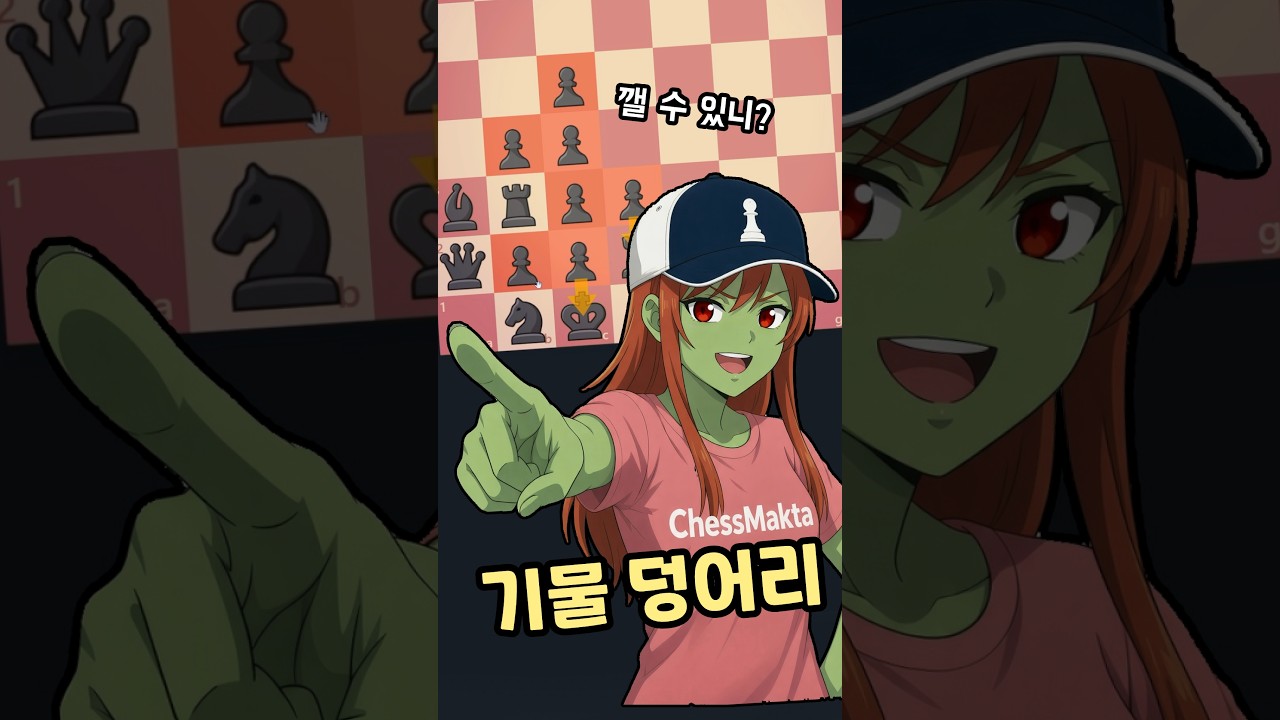
To solve grotesque puzzles in Chess.com - Play and Learn, immediately set aside standard opening heuristics and locate the deliberate structural defect built into the composition. Grotesque puzzles are artificially constructed chess problems that feature extreme material imbalances, heavily locked pawn chains, or bizarre piece clusters. Finding the solution requires exploiting defensive paralysis, avoiding impulsive checks, and calculating quiet moves that force the opponent into zugzwang.
Key Characteristics of Grotesque Compositions
Unlike standard tactical puzzles generated from actual matches, grotesque compositions feature intentionally unnatural starting positions. One side often holds massive material—such as several extra rooks, queens, or long doubled-pawn chains—yet stands on the verge of defeat or requires a paradoxical sequence to achieve a win or draw.
Because standard play principles do not apply, routine captures and obvious checks usually fail. Compositions are designed specifically to punish instinctive moves, often leaving the opponent with stalemate defenses or counter-checks if attacked too directly.
| Structural Anomaly | Typical Hidden Defect | Tactical Solution Mechanism |
|---|---|---|
| Massive piece congestion | Total lack of piece mobility | Smothered mate or forced interference |
| Locked pawn chain | King or queen trapped behind pawns | Geometric tempo loss or self-stalemate |
| Extreme material deficit | Vulnerable enemy king flight squares | Non-stop checks leading to underpromotion |
| Symmetrical board paralysis | Zugzwang vulnerability | Paradoxical waiting move or clearance sacrifice |
Identifying Paralysis and King Vulnerabilities
Begin your analysis by checking the escape squares of both kings rather than evaluating raw piece count:
- Assess King Flight Paths: If the defending king has no legal moves, any valid check can result in immediate checkmate. In these positions, sacrificing heavy pieces is often necessary simply to clear an attacking line or deflect a blocking piece.
- Identify Self-Blocking Pieces: Heavy pieces packed closely together restrict their own mobility. Queens and rooks trapped behind their own pawns lose their range and become defensive liabilities.
- Target Chained Defenders: When an opponent's pieces are locked into defending one another along back ranks, deflecting or capturing a single key piece causes the entire defensive structure to collapse.
Calculating Quiet Moves and Zugzwang
Standard tactical problems usually prioritize forced captures or continuous checks. Grotesque puzzles frequently invert this dynamic: aggressive checks often allow the defender to escape into perpetual check or claim a theoretical stalemate.
The decisive move is often a "quiet move"—a non-checking, non-capturing positional adjustment that passes the turn back to the defender. Because the defender's army is tightly bound to preventing immediate threats, forcing them to move triggers zugzwang. When evaluating candidate moves, check whether advancing a single pawn or shifting your king to a passive-looking square leaves the opponent with only self-destructive replies.
Step-by-Step Solving Protocol
Follow this sequence when tackling bizarre endgame compositions:
- Audit King Safety: Count the legal squares available to both kings to identify immediate mating nets or accidental stalemate traps.
- Catalog Paralyzed Units: Note which opposing pieces have zero mobility or are exclusively tied to guarding a specific threat.
- Discard Intuitive Checks: Eliminate obvious checks that relieve pressure, open escape squares, or allow defensive counter-sacrifices.
- Test Geometric Sacrifices: Calculate lines that give away material to deflect a key defender, seal an escape square, or clear an advancing pawn's path.
- Screen for Counter-Checks: Verify that your attacking line does not give the defender an opportunity to launch perpetual spite checks against your own king.

Free Chess.com - Play and Learn Codes
Current active codes and how to redeem them.

James Brown
James focuses on Android gaming on PC, emulator setup, controls, performance tuning, and practical troubleshooting for longer play sessions.
COMMUNITY
Player Comments
102 players commented on this guide.
Nice guide. I am checking the other Chess.com - Play and Learn articles next.
The explanation is clear, especially for beginners.
The tips are practical and easy to follow.
I wish I had read this before upgrading the wrong thing.