
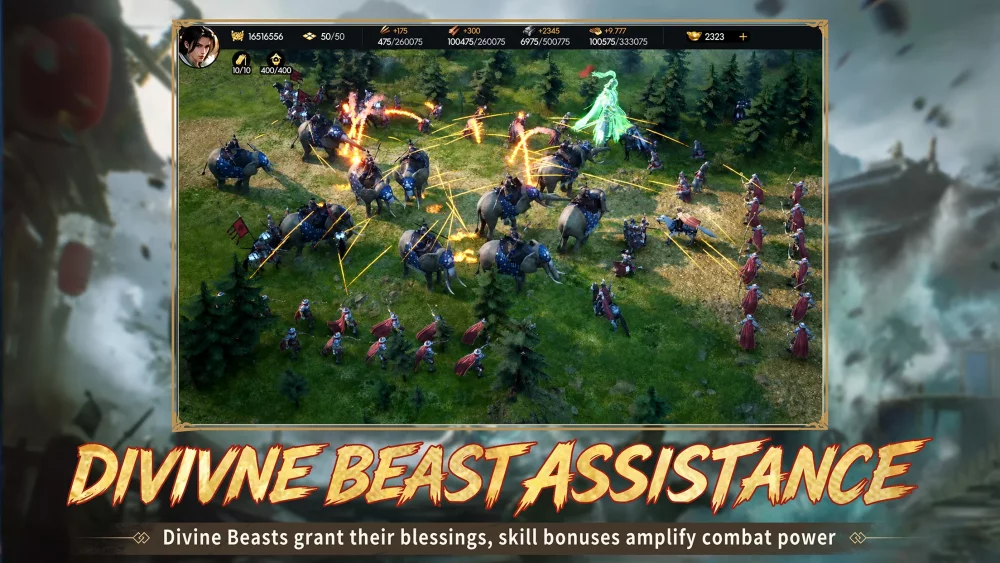
To dominate the map in Conquest of Nine Kingdoms, players must adopt the "Dragonlord" expansion strategy. This approach emphasizes prioritizing high-impact, concentrated strikes against capital-level targets to trigger immediate surrender from rival factions. By leveraging concentrated force over the slow attrition of border skirmishes, you can bypass the traditional grind and unify disparate regions under a single banner through strategic, overwhelming displays of military power.
Prioritizing Elite Unit Concentration
The foundation of a successful campaign in Conquest of Nine Kingdoms relies on the concentrated deployment of unique assets. Many players make the mistake of spreading their forces thinly to defend every border node, which dilutes their combat potential. Instead, you must focus your highest-tier units—specifically your legendary hero squads and elite heavy cavalry—into a single, decisive strike force.
In this meta, your highest-leveled legendary hero squad acts as your "dragon." When planning your expansion, identify the most fortified enemy position and commit your primary force there immediately. This "shock and awe" effect is designed to break the enemy's morale and infrastructure simultaneously. By concentrating force, you make it mathematically impossible for decentralized, smaller garrisons to repel your advance, effectively turning the tide of a regional campaign in a single, well-timed engagement.
Implementing the Doctrine of Political Intimidation
Aegon Targaryen famously utilized the threat of force to secure the submission of regional lords, only resorting to open warfare when necessary. In Conquest of Nine Kingdoms, this translates to using your military dominance to demand vassalage rather than full, destructive annexation.
When you possess a clear combat advantage, initiating a siege should be a calculated move: offer your opponents a choice between joining your alliance or facing the total destruction of their capital. This strategy is superior for three reasons:
- Resource Preservation: You avoid the high cost of troop repairs and siege engine construction.
- Infrastructure Retention: You inherit the existing defensive structures and resource nodes of the vassal, allowing you to use their own economy to fund your further expansion.
- Strategic Buffer: Vassals serve as a defensive screen, forcing third-party attackers to engage your subjects before reaching your primary territories.
Strategic Timing: The Capital-Level Siege
Timing is the difference between a successful annexation and a costly stalemate. You should monitor the server’s alliance wars closely. When two major rival factions are locked in a prolonged stalemate, that is your window to strike. By targeting the capital of the weaker party while they are preoccupied with their own border disputes, you secure a decisive victory with minimal interference.
Do not attempt a capital-level siege during a period of server-wide peace. You will likely face a spontaneous coalition of defensive forces looking to preserve the status quo. Instead, wait for the breakdown of cross-alliance diplomacy. By positioning your forces on the borders of a contested zone, you can initiate a multi-front assault that forces the enemy to choose between defending their own territory or abandoning their allies.
Managing the Limits of Diplomatic Expansion
While intimidation is a powerful tool, it carries the inherent risk of internal instability. If you rely too heavily on forced vassalage, you increase the probability of rebellion, especially if your primary force is required elsewhere on the map.
To maintain control, you must treat annexed territories with "active vigilance." Do not move your entire army to the next front immediately after a surrender. Leave behind garrison squads and invest in local infrastructure that boosts loyalty. If a region has a low loyalty rating, it is often better to consolidate your hold with defensive structures or localized trade incentives before pushing further. Over-extending your reach to capture more cities than you can effectively garrison will lead to "supply line" collapses, leaving your primary army vulnerable to being flanked by coalitions formed by your disgruntled subjects.
Balancing Attrition and Rapid Mobilization
The final lesson from the Targaryen conquest is the balance between aggressive expansion and the maintenance of a sustainable military engine. Rapid conquest is addictive, but it often leads to a "resource drought" where your city production cannot keep pace with the deaths of your units.
Use the "dragon-led" strategy only when you have a sufficient surplus of resources to sustain high-intensity combat for at least three consecutive cycles. If your resource generation drops below the threshold required for training, revert to a defensive posture immediately. During this time:
- Focus on Tech Trees: Prioritize nodes that improve troop recovery and city defense.
- Economic Consolidation: Upgrade resource production in your most secure territories.
- Diplomatic Reset: Use the lull to re-negotiate alliances, ensuring you are not the target of a counter-coalition.
By cycling between phases of aggressive expansion and internal economic development, you mimic the historical growth of the Targaryen dynasty—expanding during times of strength and consolidating through infrastructure development when your military momentum wanes. This rhythmic approach to gameplay in Conquest of Nine Kingdoms ensures that you are never left vulnerable after a major victory, allowing you to sustain your expansion until your banner flies over the entire map.

Free Conquest of Nine Kingdoms Codes
Current active codes and how to redeem them.

Emily Johnson
Emily writes practical mobile strategy guides with a focus on resource planning, base progression, and the early decisions that shape a long-term account.
COMMUNITY
Player Comments
70 players commented on this guide.
This guide answered the exact question I had.
I wish I had read this before upgrading the wrong thing.
This saved me time in the early game.
Can you add more details about strategy in a future update?