
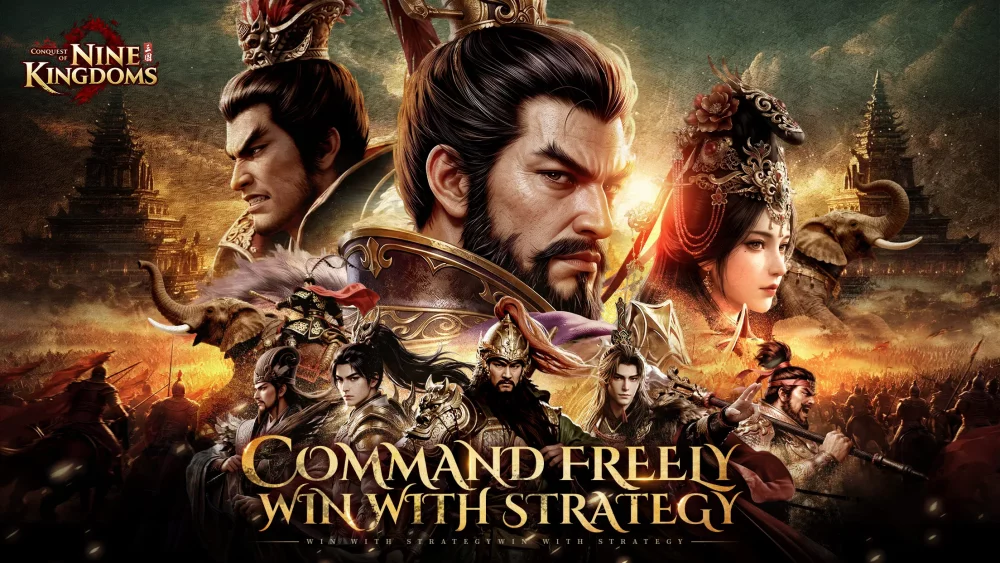
In Conquest of Nine Kingdoms, the transition from individual skirmishes to large-scale faction warfare is the defining threshold for any serious player. Capturing cities is not merely about having the strongest units; it is about the logistics of force projection, stamina conservation, and the tactical synchronization of dozens of players hitting a single target at the exact same time.
To successfully siege a city, you must move beyond the "attack and forget" mentality. Success relies on a structured approach that forces defenders to spread their resources thin while your alliance concentrates massive damage on critical fortifications.
The Mechanics of Synchronized Assaults
The primary goal of a high-level siege in Conquest of Nine Kingdoms is to overcome the city’s defensive scaling. Most fortified cities possess defensive buffs that trigger based on the duration of the attack; the longer a siege lasts, the harder it becomes to finish.
To bypass this, your alliance must execute a Simultaneous Strike. This requires a pre-determined "Go-Time."
- Staggered Marching: Because units move at different speeds, your alliance leaders should calculate travel times from various starting points. Players further away must start their march earlier than those closer to the objective.
- The Alpha Strike: When your forces arrive at the same time, the city’s defensive cooldowns are often overwhelmed before they can trigger, allowing your faction to bypass the most dangerous defensive phases of the battle.
Mastering Stamina and March Efficiency
Stamina is the "fuel" of your empire. If your high-tier heroes run out of stamina during a siege, you become a liability to your alliance. Effective management involves a three-tier approach:
- The Vanguard (High Stamina): Only deploy your strongest, high-stamina units for the initial wall breach. These units should be reserved for critical hits.
- The Secondary Wave: Use lower-tier or support squads for flanking and screening. These squads are meant to deter enemy reinforcements rather than deal structural damage.
- Pathing Optimization: Avoid unnecessary movement. Every tile crossed consumes stamina. Use "Rally" points to consolidate forces before moving on the city, rather than moving units individually across the map.
Optimizing Your Hero Roster for Siege Warfare
Not all heroes are created equal in the context of a siege. While a hero might be a powerhouse in PvP, their utility in a city siege is measured by their Structural Damage (SD) stat.
When preparing your roster, prioritize heroes with passives that specifically ignore or reduce fortification defense.
- Frontline Tanks: Look for heroes with "Shield" or "Damage Mitigation" abilities. Their role is to soak up damage from the city's defensive towers, keeping your glass-cannon siege units alive.
- Siege Specialists: These are your core assets. Equip them with gear that boosts "Siege Attack" rather than "Physical" or "Magic" attack if those stats are calculated separately in your current meta build.
- Support Buffers: Bring at least one hero capable of providing "March Speed" or "Recovery" buffs. Ensuring your army arrives together is more valuable than an extra 5% damage boost.
Analyzing and Countering Defensive Measures
Defenders rarely sit idle. In Conquest of Nine Kingdoms, a common defensive tactic is to wait until your army is committed to the siege and then harass your slower support units or "snipe" your reinforcements.
- Counter-Interception: Always leave a "Screening Force" behind your main line. If you notice enemy markers moving toward your position, these reserve units should intercept them in the field, preventing them from reaching your siege engines or back-line support.
- Baiting Tactics: If a city is heavily fortified with player reinforcements, send a small, expendable force to attack a secondary gate. This often draws defenders out of the main stronghold to "patrol," allowing your main strike team to hit the primary gate while the defenders are out of position.
Post-Siege Consolidation and Territory Control
Winning the breach is only half the battle. Many alliances lose a city immediately after capturing it because they fail to prepare for the counter-attack.
Immediately upon success:
- Immediate Re-positioning: Do not linger at the gates. Move your troops to the outer perimeter of the city to establish a defensive buffer.
- Stamina Rotation: Rotate out your exhausted heroes. If you have "Reserve" accounts or alliance members who were not part of the initial wave, have them swap in to occupy the city defenses while your primary strikers recover their stamina.
- Resource Management: Do not prioritize looting until the territory is secure. A city that is captured but immediately lost to a counter-attack is a net loss for your alliance's growth.
Common Mistakes to Avoid
Even experienced players fall into these traps during intense regional campaigns:
- Over-committing to a Single Path: If the enemy has stacked units on one gate, don’t keep feeding your units into the meat grinder. Shift your entire alliance's focus to a different gate or coordinate a pincer movement.
- Ignoring March Timers: Arriving at a city 10 minutes before your allies makes you a sitting duck. Always wait for the "Go-Time" signal.
- Neglecting Hero Gear: Players often forget to swap from "Field Combat" gear to "Siege" gear. Check your loadouts before you leave your home base.
By focusing on these tactical fundamentals, you transform your alliance from a collection of players into a coordinated war machine capable of holding and expanding the territories that define the Conquest of Nine Kingdoms experience. Success is found in the discipline of your movement and the precision of your timing.
Free Conquest of Nine Kingdoms Codes
Current active codes and how to redeem them.

Emily Johnson
Emily writes practical mobile strategy guides with a focus on resource planning, base progression, and the early decisions that shape a long-term account.
COMMUNITY
Player Comments
72 players commented on this guide.
I tried this today and it worked better than my old setup.
The tips are practical and easy to follow.
Good guide for Conquest of Nine Kingdoms players. The strategy part was useful.
The explanation is clear, especially for beginners.