
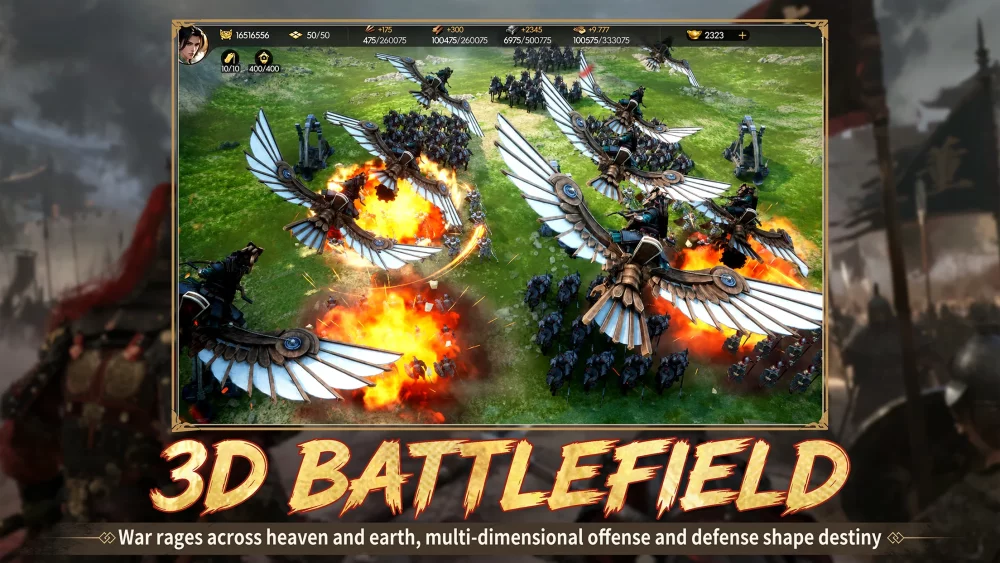
Capturing a Level 10 city in Conquest of Nine Kingdoms represents the pinnacle of alliance-level gameplay. Unlike lower-tier settlements that can be overwhelmed through sheer numbers, Level 10 cities act as "gear checks" that punish uncoordinated alliances and poorly optimized troop compositions. To succeed, you must shift your strategy from aggressive skirmishing to a highly disciplined, attrition-based siege model that manages troop durability while maximizing structural damage output.
Understanding the Level 10 City Difficulty Spike
The jump from Level 9 to Level 10 cities is the most significant difficulty curve in Conquest of Nine Kingdoms. Level 10 fortifications utilize defensive scaling that drastically reduces the effectiveness of glass-cannon damage dealers. If you bring units designed only for field combat, you will find your squads depleted within seconds by the city’s high-frequency defensive volleys.
The game calculates city defense based on a combination of fixed structural health and reactive defensive damage. Because the city’s defensive AI is designed to prioritize high-damage threats, your primary goal is not to "out-damage" the city instantly, but to "out-sustain" it. Success requires a team-wide commitment to defensive positioning and a clear understanding of the "Siege Proficiency" stat, which effectively bypasses the defensive mitigation layers that make Level 10 walls so formidable.
Prioritizing Unit Durability for the Frontline
Your frontline is the most important component of the siege. If your front row collapses, the city’s defensive damage will immediately pivot to your archers and support units, ending your contribution to the siege.
- Frontline Composition: Use high-defense Infantry or specialized "Tank" heroes. These units should be equipped with gear that boosts Physical Defense and damage reduction.
- The "Soak" Strategy: The objective of the frontline is to "soak" the incoming volleys. By placing your most durable units in the first two rows, you absorb the damage that would otherwise wipe your high-DPS backline.
- Healing and Sustain: Heroes with passive healing or "damage-to-health" recovery skills are invaluable here. Even a minor trickle of health regeneration can extend your unit's lifespan by several critical turns, allowing for sustained pressure rather than a staggered, ineffective assault.
Synchronizing Alliance Waves
The most common mistake players make in Conquest of Nine Kingdoms is attacking in staggered waves. When individuals attack the city at different times, the defensive AI focuses its full output on those isolated squads, deleting them one by one.
To breach a Level 10 city, your alliance must execute a synchronized strike:
- Hard Start Times: Coordinate a specific "arrival second" via your alliance Discord or in-game chat.
- Saturation: By having 10, 20, or 30 players arrive simultaneously, you force the city’s targeting logic to split its damage across hundreds of units rather than focusing on one.
- The "Burst Window": Once the initial wave hits, maintain the pressure. The city’s health will drop significantly faster when the defensive damage is diluted across a massive alliance force.
Optimizing Hero Skills for Siege Damage
Standard combat skills are often suboptimal for city sieges. When inspecting your hero roster, filter for commanders who provide bonuses to "Siege Proficiency" or "Structure Damage."
- Why Siege Proficiency Matters: This stat ignores a percentage of the city's defensive mitigation. While a "Damage Bonus" might be reduced by the city's high armor rating, "Siege Proficiency" treats the wall as a static target, ensuring your damage remains consistent throughout the duration of the battle.
- Skill Choice: If you lack top-tier siege specialists, prioritize Crowd Control (CC) skills. Stalling the city’s defensive retaliation, even for a few seconds, allows your alliance’s backline to deal massive damage without taking return fire.
Executing the Reinforcement Loop
If your frontline begins to buckle, do not simply withdraw. Use a "reinforcement loop" to keep your offensive pressure high.
- The Relay System: Identify players whose units are heavily damaged. Have them pull back from the immediate frontline tiles while fresh players—who have been waiting in reserve—move into those positions.
- Formation Tactics: Avoid clumping all alliance members onto a single map tile. Instead, arrange your forces in a wide semi-circle around the gate. This formation forces the city’s defensive targeting to switch angles constantly, preventing the AI from locking onto one specific player’s squad for too long.
Managing Resources and Post-Siege Vulnerability
Capturing a Level 10 city is a resource-intensive endeavor that requires careful management of your logistics. Because of the high damage output of these cities, unit losses are inevitable.
- Resource Fatigue: Avoid attempting back-to-back sieges on multiple Level 10 cities in a single day. You need time to replenish your troop capacity.
- The Vulnerability Window: Once you capture the city, you are at your weakest. Rival alliances often wait for the conclusion of a major siege to attack, knowing your units are depleted and your formation is disorganized.
- Reserve Planning: Always keep a stockpile of speed-ups and healing resources. Immediately following the capture, prioritize defensive upgrades and reinforcement rotations to solidify your hold before hostile players can launch a counter-attack.
By treating the siege as a calculated, team-wide project rather than an individual DPS race, your alliance will be able to breach even the most hardened Level 10 defenses in Conquest of Nine Kingdoms. Focus on the durability of your frontline, the synchronization of your arrival, and the strategic rotation of your forces to ensure victory.

Free Conquest of Nine Kingdoms Codes
Current active codes and how to redeem them.

Sarah Williams
Sarah specializes in RPG and collection games, explaining team building, character growth, and beginner-friendly ways to avoid expensive early mistakes.
COMMUNITY
Player Comments
55 players commented on this guide.
This saved me time in the early game.
Good guide for Conquest of Nine Kingdoms players. The strategy part was useful.
The tips are practical and easy to follow.
This guide answered the exact question I had.