
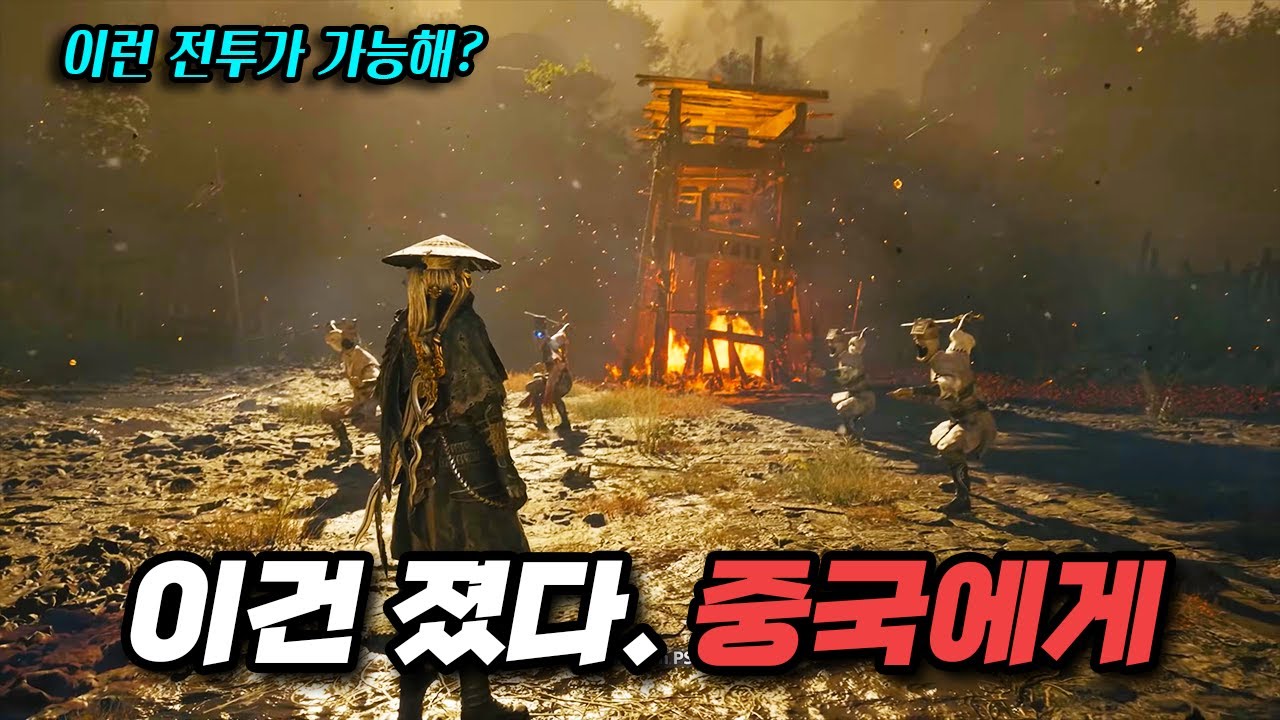
In Dawn's Edge, combat is not merely about trading blows; it is a high-speed dance of momentum, precision, and calculated aggression. The game’s combat system rewards players who move beyond basic attack patterns, instead focusing on the sophisticated "Parry-and-Flow" architecture. To succeed in the twisted realms of Dawn's Edge, you must master the art of animation cancelling, poise pressure, and spatial control. This guide provides the expert insights necessary to turn the tide against the game’s most lethal adversaries.
The Foundation: Mastering the Parry-to-Counter Flow
In many action titles, defensive maneuvers are seen as a pause in the action. In Dawn's Edge, the parry is your primary offensive initiator. When you successfully deflect an incoming strike, you create a momentary opening where the enemy’s poise is vulnerable.
To turn defense into an overwhelming offense, follow these expert practices:
- Audio-Visual Cue Recognition: Every elite boss in Dawn's Edge features unique telegraphs. Before a heavy strike, enemies often emit a faint crystalline glow or a specific metallic "shimmer" sound. Train yourself to react to the audio cue, which is often more reliable than visual animations during chaotic, multi-effect encounters.
- The "Stay-Grounded" Philosophy: A common beginner mistake is panic-dodging away from danger. In this game, dodging resets the enemy's aggression. By standing your ground and executing a perfect parry, you keep the boss within your strike zone, allowing for an immediate transition into a counter-attack.
- Chaining into Finishers: Once a parry is successful, do not simply return to basic attacks. Use the "Counter-Finisher" prompt to force the enemy into a stagger state, which grants you a window to reposition behind them for backstab damage multipliers.
Fluidity Through Animation Cancelling
The "Flow State" in Dawn's Edge is defined by your ability to cancel recovery frames. If you commit fully to a three-hit heavy animation, you leave yourself exposed. Elite enemies are programmed to exploit this "lock-in" period.
To maintain your flow, practice "Dash-Cancelling." As soon as your character’s damage hit-box connects with the enemy, input a dash or a quick-step. This movement cuts the recovery animation short, allowing you to transition into your next ability or a defensive parry instantly. This technique is non-negotiable for high-level play; it ensures that your character is never truly "stuck" in a vulnerable state, allowing you to react to shifting boss patterns with frame-perfect precision.
Strategic Resource Management: The Poise Meter
While your health bar keeps you alive, the enemy’s "Poise Meter" is what wins the fight. In Dawn's Edge, raw HP damage is secondary to breaking an enemy’s posture.
- Pressure vs. Burst: Use light, rapid attacks to keep the enemy’s poise from regenerating. If you stop attacking for even a second, many bosses will enter a "Recovery Stance," undoing your progress.
- The Flashing Window: When the enemy’s poise bar flashes, they are at their most vulnerable. This is the only time you should commit to your longest, most resource-heavy animation strings. Attempting to use these "ultimate" abilities while the boss has full poise usually results in you being interrupted and taking massive damage.
- Risk-Reward Calculation: If your stamina is low, do not attempt to break the final sliver of poise. It is better to back off, regenerate, and wait for a guaranteed opening than to over-commit and die while the boss is still capable of retaliation.
Overcoming the Trap of Aggressive Over-Commitment
The game’s design is a psychological trap: it encourages aggression but punishes mindless button-mashing. If you spam attacks, you will inevitably run out of stamina exactly when you need to parry a multi-hit combo.
The "Hit-and-Reset" Rhythm:
- Probe: Execute two light attacks to gauge the enemy's defensive reaction.
- Observe: If the enemy does not flinch or deflect, they are likely preparing a counter-attack.
- Reset: Use a quick-step to reposition or immediately transition into a neutral defensive stance.
- Punish: Only after you successfully bait a heavy strike and parry it should you commit to a full five-hit combo.
Optimizing Engagement Distances
Spatial awareness is the final piece of the Dawn's Edge combat puzzle. Different enemies are balanced for specific engagement ranges. For example, spear-wielding wraiths are lethal at medium range but struggle to track you if you stay at "point-blank" distance.
- Kiting: Use your movement speed to "kite" enemies, forcing them to use their gap-closing attacks. Gap-closers are almost always linear and highly telegraphed, making them the easiest moves to parry.
- Cornering: Never allow yourself to be backed into a wall. The camera in Dawn's Edge can become obscured in tight spaces, which prevents you from seeing the telegraphs required for perfect parries. Always circle around the boss to keep the arena center-stage.
Summary Checklist for Combat Mastery
To dominate the realms of Dawn's Edge, ensure you are checking these four boxes in every major encounter:
- Parry Priority: Am I treating the parry as an offensive opener rather than a panic button?
- Flow Integrity: Am I using dash-cancels to stay mobile during my attack animations?
- Poise Focus: Am I tracking the boss’s poise bar more closely than their health bar?
- Spatial Control: Am I forcing the boss into their weakest range, or am I letting them dictate the fight?
By mastering these mechanics, you will find that even the most formidable bosses in Dawn's Edge become manageable through systematic, high-speed execution. Remember: in these twisted realms, precision always outmatches raw power. Stay calm, maintain your flow, and never stop looking for the next parry window.

Free Dawn's Edge Codes
Current active codes and how to redeem them.

Emily Johnson
Emily writes practical mobile strategy guides with a focus on resource planning, base progression, and the early decisions that shape a long-term account.
COMMUNITY
Player Comments
138 players commented on this guide.
Good guide for Dawn's Edge players. The strategy part was useful.
Can you add more details about strategy in a future update?
This helped me understand strategy much better.
The explanation is clear, especially for beginners.