
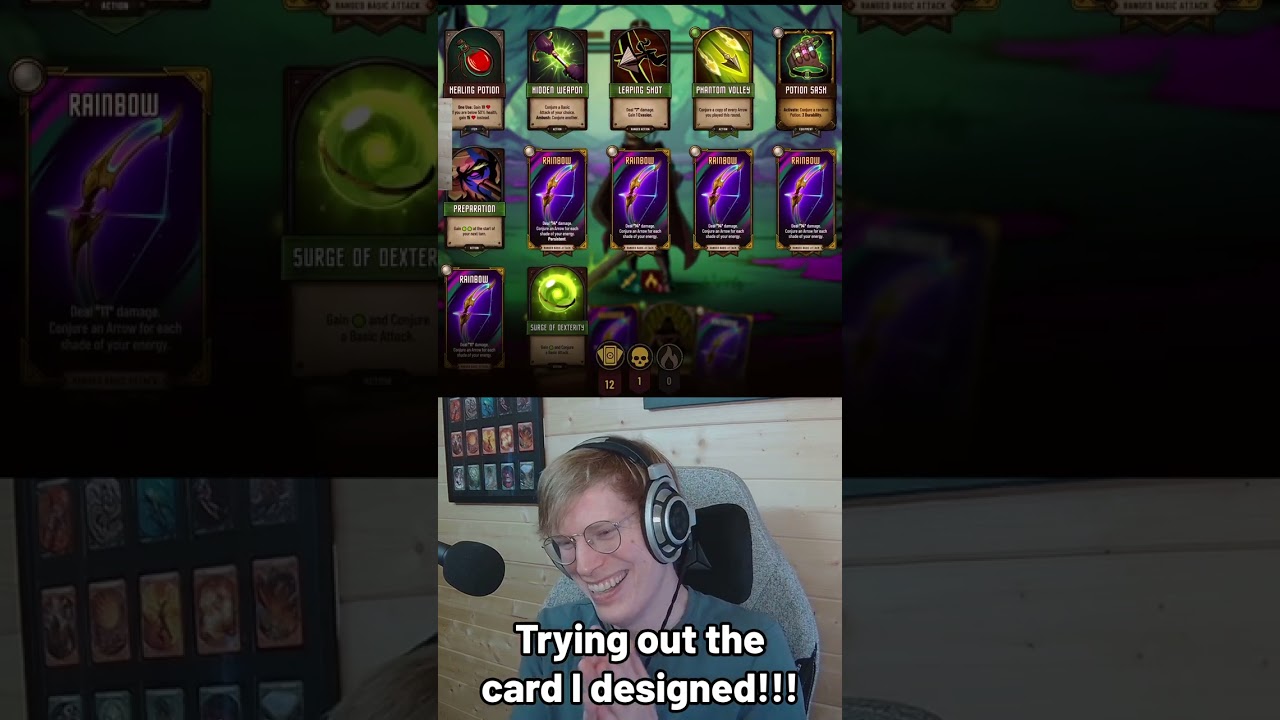
To execute an infinite or high-yield turn sequence with Partner in Time in Dawncaster: Deckbuilding RPG, you must play it immediately after an energy-positive or card-drawing action. Partner in Time replays the single most recently resolved card from your combat history during the active turn. If the duplicated card refunds more energy and card draw than the sequence expends, your deck enters a sustained loop that can finish encounters in a single round.
How Partner in Time Duplication Works
Partner in Time evaluates only the card resolved immediately prior to its activation. It duplicates that card's effects without requiring a secondary copy in your deck or additional base resource payments.
Because of this specific trigger requirement:
- No standalone value: Playing Partner in Time as the first card of a turn provides zero benefit because no previous action exists in that turn's resolution history.
- Immediate overwrite: Resolving any intermediate card—such as a minor cantrip, defensive guard, or utility item—overwrites the history log. Partner in Time will copy that minor action instead of your intended enabler.
- Adaptive output: Depending on the preceding card, Partner in Time can duplicate high-yield resource generation, barrier generation, or heavy single-target burst damage.
How to Sequence the Infinite Loop
Sustaining a continuous loop requires positive energy feedback and consistent card draw. Without a net resource surplus, replaying cards depletes your available energy or action pips and stalls the turn.
Follow this operational order to execute the loop:
- Establish base resources: Open the combat round by activating energy-generating relics or playing an initial resource ritual to float unspent energy.
- Play the enabler: Cast a zero-cost or cost-efficient card that draws cards and provides an energy refund upon resolution.
- Resolve Partner in Time: Cast Partner in Time immediately while the enabler remains the last resolved action. This duplicates both the card draw and the energy refund.
- Deploy your finisher: Use the surplus energy and drawn cards to cast your scaling damage card.
- Cycle back to the start: Draw through your remaining cards until your enabler and Partner in Time return to hand, then repeat the sequence.
Deck Thinning and Card Priorities
A reliable combo requires drawing Partner in Time alongside your key enablers on turn one. Maintain a lean deck size of 10 to 14 cards. Use campfires, shrines, and merchant removal services to delete basic starter strikes and defenses, preventing opening-hand dilution.
| Card Role | Category | Priority | Tactical Purpose |
|---|---|---|---|
| Combo Anchor | Partner in Time | Essential | Duplicates the previous action to trigger repeatable resource chains |
| Engine Enabler | Energy-Positive Cantrips | High | Generates net-positive energy immediately before duplication |
| Draw Accelerator | Low-Cost Cycling Spells | High | Refreshes hand size to return combo pieces quickly |
| Finisher | Scaling Burst Damage | Medium | Converts infinite or surplus actions into lethal combat damage |
| Safeguard | Barrier & Cleanse Spells | Situational | Mitigates incoming retaliatory damage and clears combat debuffs |
Managing Enemy Counters and Misplays
Certain boss encounters and status effects can disrupt continuous card loops:
- Retaliatory spikes and thorns: Enemies that deal flat damage whenever you resolve an action will punish long, low-damage card loops. Against these targets, alter your loop to duplicate large single-instance attacks, barrier cards, or immunity buffs rather than dozens of low-cost cycling cards.
- Energy debuffs: Status effects such as Freeze, Dazed, or Exert reduce available energy pools and can break the loop threshold prematurely. Monitor your status tray and remove these afflictions before starting a combo turn.
- Mishandled opening hands: If Partner in Time appears without an enabler, do not spend combo pieces blindly. Play defensive barriers, preserve Partner in Time in hand, and end the turn to reset your draw for the following round.

Free Dawncaster: Deckbuilding RPG Codes
Current active codes and how to redeem them.

Emily Johnson
Emily writes practical mobile strategy guides with a focus on resource planning, base progression, and the early decisions that shape a long-term account.
COMMUNITY
Player Comments
71 players commented on this guide.
Can you add more details about base building in a future update?
I wish I had read this before upgrading the wrong thing.
Good guide for Dawncaster: Deckbuilding RPG players. The base building part was useful.
I tried this today and it worked better than my old setup.