
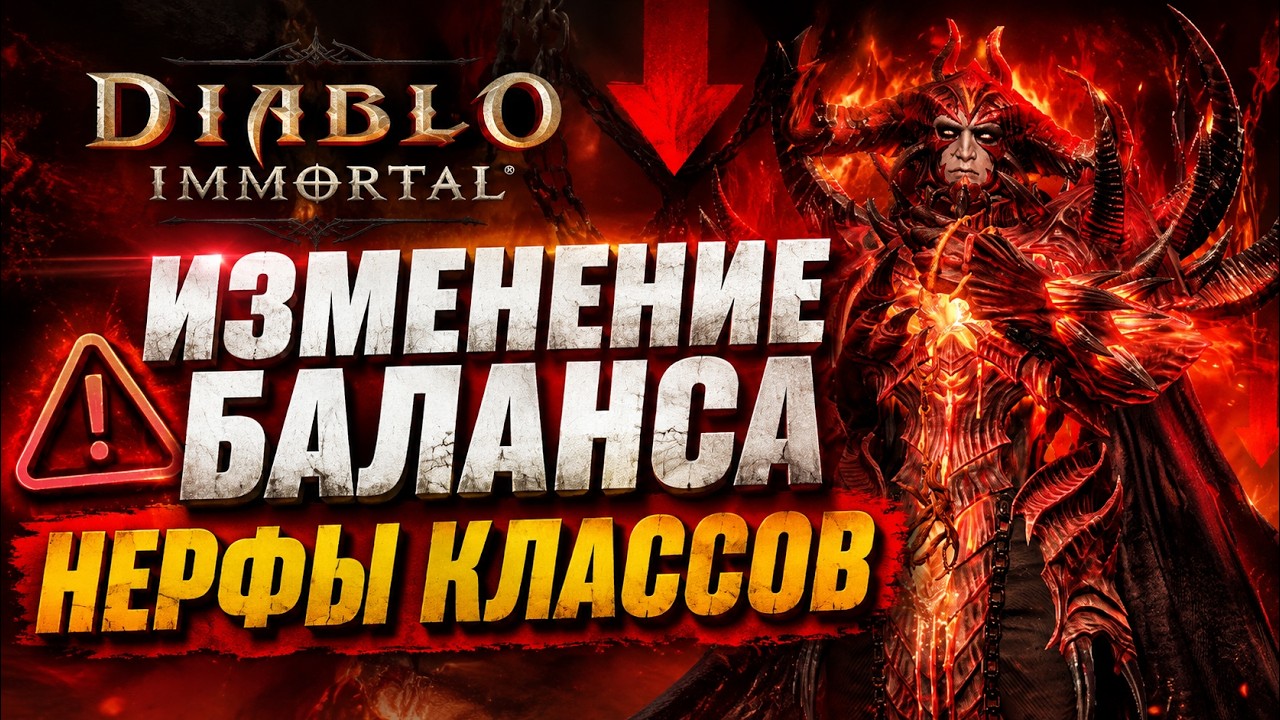
In Diablo Immortal, the competitive landscape is defined by the thin margin between a decisive victory and a swift defeat. With the latest round of balance adjustments, the meta has shifted away from passive, static "turret" playstyles and toward high-mobility, active-engagement strategies. Whether you are climbing the ranks in the Rite of Exile or participating in high-stakes tournament play, understanding these adjustments is essential to maintaining an edge.
This guide breaks down the essential shifts across six key classes, providing actionable insights on how to optimize your builds, manage your cooldowns, and leverage the new movement-focused meta to dominate your opponents.
The Shift Toward Mobility: Why It Matters
The most significant trend in current Diablo Immortal balance updates is the reduction of "low-effort" crowd control (CC) and the buffing of mobility-centric utility. Developers have intentionally made it harder to "lock down" opponents, which means the days of relying on permanent stuns or indestructible minion walls are largely over.
In the current tournament meta, your survivability is no longer tied solely to your health pool or damage reduction stats—it is tied to your ability to dictate the pace of the engagement. If you are standing still, you are a target. If you are moving, forcing the enemy to burn their gap-closers prematurely, you are in control.
Necromancer: From Turret to Tactical Disruptor
The Necromancer has historically thrived on static summon damage and heavy CC. However, recent tuning has made static skeletal setups less effective against agile, modern builds.
- The Adjustment: Minion AI and damage scaling now favor active debuffing over pure passive output.
- Tactical Shift: Move away from stationary builds. Focus on essences that grant movement speed upon skill usage or those that apply "Fear" or "Slow" while you are actively repositioning.
- Pro Tip: Treat your summons as utility tools rather than your primary damage source. Use them to body-block narrow corridors or force enemies to waste dash charges, then follow up with high-impact, movement-based debuffs.
Barbarian and Crusader: Mastering the Engagement Cycle
Frontline classes in Diablo Immortal serve as the backbone of any team, but the latest patches have tightened the window for invulnerability and speed buffs.
- Barbarian Strategy: The Barbarian’s "Undying Rage" and movement speed buffs have been refined to be more situational. Overextending without a clear escape plan now results in instant focus-fire death. Use your speed to bait enemy CC, then disengage immediately once your defensive cooldowns expire.
- Crusader Strategy: Crusaders must prioritize team-wide utility over individual tankiness. Your role is to initiate, provide the speed buff for your team, and extract them safely. If you burn your "Conjuration of Light" too early, you leave your backline completely exposed.
- The Golden Rule: Never engage without an exit strategy. If your primary dash or defensive cooldown is on internal recharge, play passively until it returns.
Demon Hunter and Wizard: The Art of Positioning
Range-based classes have seen their burst potential balanced against their extreme fragility. Because melee gap-closers are more effective than ever, your survival depends entirely on your spatial awareness.
- The Positioning Trap: Both classes are highly susceptible to being "pinned." To counter this, you must prioritize gear essences that break CC or provide burst mobility (dashes/teleports).
- Managing Cooldowns: As a Demon Hunter or Wizard, track the enemy’s main gap-closer cooldowns. Do not use your own dash until you have confirmed the enemy has committed theirs. If you dash into an enemy's range while your own escape is on cooldown, you will be punished.
- Burst Timing: Coordinate your damage spikes with your team’s frontline engagement. If your teammates are not actively drawing aggro, your damage output should be prioritized for zoning rather than hunting for kills.
Monk: The Ultimate Secondary Disruptor
The Monk class has emerged as a top-tier choice for players who value high-frequency disruption. Unlike the Barbarian, who disrupts through raw presence, the Monk disrupts through constant movement and displacement.
- Combat Versatility: The recent meta favors the Monk's ability to chain dash skills to peel for teammates. By using skills that displace enemies, you force their damage dealers out of their optimal range, rendering them ineffective.
- Optimization: Focus on items that reduce skill cooldowns and increase attack speed. This enables a "hit-and-run" cycle that is incredibly difficult for slower classes to track. A high-skill Monk should be constantly changing their position, ensuring they are never an easy target for enemy crowd control.
Managing Trade-offs and Avoiding Common Mistakes
The biggest mistake players make in the current Diablo Immortal meta is attempting to force an old, comfortable playstyle into the new competitive reality. If you attempt to stand and trade damage in a meta that rewards movement, you will lose every time.
Key Strategies for Competitive Success:
- Essence Library Review: Regularly audit your essence library. Are you running a "legacy" build that relies on standing still? Swap out stationary damage essences for mobility or utility-boosting alternatives.
- Cooldown Discipline: In competitive play, cooldowns are your most valuable currency. Do not waste them on skirmishes that do not lead to an objective.
- Cross-Platform Awareness: Remember that Diablo Immortal gameplay feels different on mobile versus PC due to target acquisition speeds. If you are playing on PC, use your superior aiming precision to kite melee attackers, but be aware that mobile players may have faster response times for certain auto-targeting skills.
- Target Prioritization: In team fights, identify the enemy's primary "anchor" (usually a Barbarian or Crusader). If you can force them to burn their defensive tools, the rest of their team is significantly more vulnerable to your crowd control and burst damage.
Final Decision: Adapting Your Build
The current Diablo Immortal balance state is designed to reward active play. The "low-effort" dominance of previous patches has been curtailed, meaning that the player who manages their movement and cooldowns more efficiently will almost always win against the player who relies on static gear stats.
Before heading into your next tournament or ranked match, spend time in the Training Grounds testing your new mobility-focused skill bar. Ensure your dash, CC-break, and escape skills are mapped to buttons you can hit instinctively. By embracing these changes and refining your positioning, you will find that your performance scales significantly better in competitive settings, turning the game’s increased intensity into your greatest advantage.

Free Diablo Immortal Codes
Current active codes and how to redeem them.

Michael Smith
Michael covers live-service games, events, reward systems, and efficient daily routines, turning frequent updates into clear actions for players.
COMMUNITY
Player Comments
64 players commented on this guide.
Nice guide. I am checking the other Diablo Immortal articles next.
Can you add more details about strategy in a future update?
This helped me understand strategy much better.
I wish I had read this before upgrading the wrong thing.