
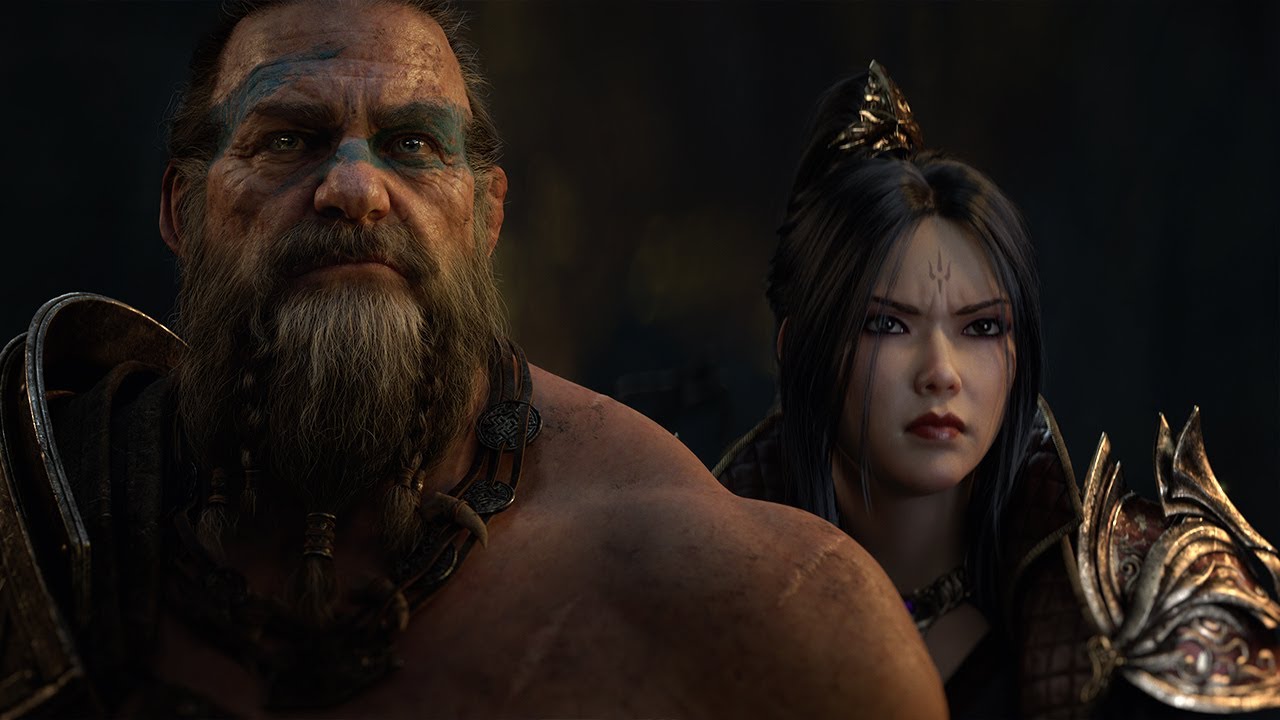
If you are wondering where Diablo Immortal fits into the grand tapestry of the franchise, you are standing at a pivotal narrative crossroads. Diablo Immortal is officially set in the period immediately following the events of Diablo II: Lord of Destruction and leading up to the rise of the dark events seen in Diablo III.
For players and lore enthusiasts, this is not just a backdrop; it is the fundamental reason for your existence in Sanctuary. With the Worldstone destroyed at Mount Arreat, the protective barrier that kept Sanctuary hidden from the Burning Hells has been shattered. This guide explores the historical context of this era, the strategic importance of the Worldstone shards, and why your character’s progression is essential to preventing the total collapse of humanity.
The Shattered Worldstone: The Catalyst for Chaos
In the lore of the Diablo series, the Worldstone was the artifact that gave Sanctuary its form and shielded it from the eyes of the Prime Evils. Its destruction by Tyrael at the end of Diablo II was a necessary sacrifice to stop Baal, but it left the world defenseless.
In Diablo Immortal, the consequences are immediate and catastrophic. The Worldstone did not simply vanish; it exploded into countless, potent shards scattered across the continent. These shards are corrupted, radiating dark energy that twists the environment and empowers the remnants of the demonic armies.
Why this matters for your gameplay:
- Environmental Corruption: You will notice that many zones in Diablo Immortal are physically warped by the lingering energy of these shards.
- The Hunt for Power: The narrative centers on your journey to collect these shards before the lieutenants of the Burning Hells can weaponize them to reclaim their former glory.
- High Stakes: Every quest involving a shard is a race against time, as these artifacts are capable of resurrecting old threats or birthing new, monstrous abominations.
Identifying the Power Vacuum: Threats in the Post-Baal Era
With the Prime Evils (Diablo, Baal, and Mephisto) defeated at the end of Diablo II, the hierarchy of the Burning Hells has crumbled. However, a power vacuum is arguably more dangerous than a centralized enemy. Diablo Immortal introduces us to a world where fragmented cults, scavengers, and opportunistic demons are fighting for the scraps of power left behind.
As you progress through the game, you aren't just fighting random monsters; you are systematically dismantling the infrastructure of these rising factions. This period of the timeline is characterized by:
- Cultist Activity: Groups like the Cult of Terror are attempting to harness the shards to summon beings of immense power.
- Demonic Remnants: Without a singular leader, minor demonic lords are attempting to carve out their own domains, forcing you to engage in localized, high-intensity conflicts across diverse biomes.
- The Desperation of the Horadrim: You will work alongside the remnants of the Horadrim, who are struggling to maintain order in a world that has lost its primary source of protection.
Strategic Lore Integration: From Combatant to Savior
Understanding the narrative isn't just for lore-hunters; it provides context for your character's growth. In Diablo Immortal, you aren't just leveling up for the sake of higher damage numbers; you are ascending in power to fill the void left by the fallen heroes of the past.
How to Engage with the Narrative
- Prioritize Main Story Quests: The campaign serves as the chronological backbone of the game. Completing these missions unlocks key areas and provides the necessary context for the "Worldstone" arc.
- Dialogue and NPC Interactions: Speak to key figures like Deckard Cain. His presence serves as the bridge between the old guard of the Horadrim and your current struggle.
- Zone-Specific Context: When you move to a new region, look for the environmental storytelling cues. Why is this area overrun? Often, a nearby Worldstone shard is corrupting the local fauna or undead inhabitants.
Bridging the Gap to Diablo III
Diablo Immortal serves as a critical bridge. By playing through this era, you witness the world’s slow descent into the conditions that define the beginning of Diablo III. You are essentially witnessing the prologue to the return of the Prime Evils.
This period is defined by the struggle of the Horadrim to reorganize and the realization that humanity is truly on its own. As you reach the endgame, the focus shifts from finding shards to preparing for the inevitable future conflicts. Understanding this transition makes the atmosphere of the game feel heavier and more urgent, transforming routine grinding into a tactical effort to preserve the future of Sanctuary.
Common Misconceptions About the Timeline
- "Is this a prequel to Diablo II?" No. It is a direct sequel to Lord of Destruction and a prequel to Diablo III.
- "Does the Worldstone still exist?" Only in fragmented, corrupted forms. The original, monolithic structure is gone, which is the exact reason for the current demonic incursions.
- "Why are the demons so organized?" They aren't. Unlike the coordinated assaults of the Prime Evils, the enemies you face are largely acting out of greed and desperation, making them erratic and unpredictable.
Summary Checklist for Immersion
To get the most out of your experience in Diablo Immortal, keep these three pillars in mind:
- Chronology: You are active in the "Lost Years" between the defeat of Baal and the return of Diablo.
- Artifacts: Focus your objectives on the recovery and containment of Worldstone shards; they are the "MacGuffins" that drive the entire plot.
- Legacy: Your character is the new generation of defenders. Treat the Horadrim quests as your primary guide for understanding the "why" behind your combat encounters.
By aligning your playstyle with these narrative beats, you turn Diablo Immortal from a simple action-RPG into a meaningful, cohesive chapter in the legend of Sanctuary. Whether you are a solo player or part of a raiding party, remember that every enemy you defeat and every shard you secure is a step toward preventing the absolute destruction of the world.

Free Diablo Immortal Codes
Current active codes and how to redeem them.

Michael Smith
Michael covers live-service games, events, reward systems, and efficient daily routines, turning frequent updates into clear actions for players.
COMMUNITY
Player Comments
40 players commented on this guide.
Good guide for Diablo Immortal players. The strategy part was useful.
Nice guide. I am checking the other Diablo Immortal articles next.
This saved me time in the early game.
Can you add more details about strategy in a future update?