
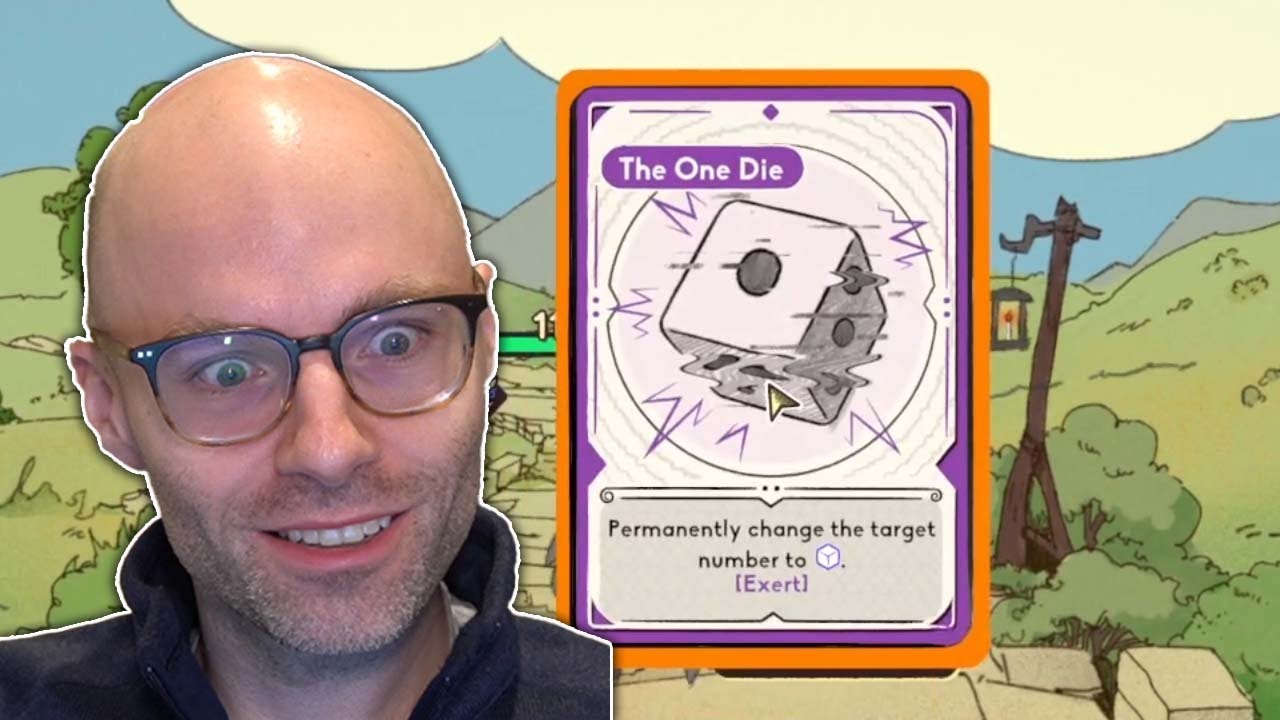
To control combat in DICEOMANCER, use rolled dice as variable overrides rather than simple flat damage bonuses. Place low rolls (1s and 2s) directly onto incoming enemy attack intents to neutralize lethal damage, and assign high rolls (5s and 6s) to card draw mechanics and multi-hit attack counters.
Neutralizing Enemy Damage with Low Rolls
Dragging a rolled 1 or 2 directly onto an enemy’s projected attack intent replaces their incoming damage value with that die's face value. This mechanic bypasses the need to spend scarce energy drafting and playing heavy block cards against elite or boss attacks. Overwriting an 18-damage strike with a 1 reduces incoming damage to chip levels, preserving your turn energy for offensive setups.
Keep two tactical limitations in mind when overriding intents:
- Tray consumption: Overwriting an intent consumes a die from your active tray, reducing the dice available to augment your own cards.
- Secondary debuffs: Attacks that apply effects like Vulnerable or Bleed still apply those debuffs even when the raw attack damage is reduced to 1. Use basic block cards to absorb small attacks carrying debuffs, and save dice overrides for unmitigated lethal strikes.
Scaling Card Draw and Multi-Hit Attacks with High Rolls
Placing high dice on utility variables generates far more value than overriding flat single-target attacks. Single-hit attacks scale linearly (replacing a 4-damage strike with a 6 yields only 2 extra damage), whereas card draw and multi-hit attacks scale exponentially.
Modifying the draw number on a card that reads "Draw 1 card" with a rolled 6 changes the text to "Draw 6 cards." This immediately refills your hand, digging for key combo pieces and dice generators. On cycling cards with effects like "Draw 1, Discard 1," modifying the draw value yields five net cards while discarding only one. However, avoid over-investing high dice into draw if your hand is near capacity or if you lack the energy to cast what you draw.
Multi-hit attacks feature two distinct modifiable numbers: damage per hit and hit count. Overwriting the hit count on an attack dealing 3 damage across 2 hits with a 6 increases the output from 6 total damage to 18 total damage.
| Target Type | Base Value | Rolled Die Applied | Resulting Output | Strategic Priority |
|---|---|---|---|---|
| Enemy Attack Intent | 18 Damage | Rolled 1 | 1 Damage | Critical (Mitigates 17 incoming damage) |
| Card Draw Effect | Draw 1 Card | Rolled 6 | Draw 6 Cards | Highest (Accelerates hand and deck access) |
| Multi-Hit Strike | 3 Damage x 2 Hits | Rolled 6 on Hits | 3 Damage x 6 Hits (18 Total) | Very High (+12 burst damage) |
| Flat Strike | 4 Damage | Rolled 6 | 6 Damage | Low (+2 net damage) |
Allocating Mid-Tier Rolls and Turn Sequencing
Because unused dice do not carry over between turns by default, you must allocate awkward mid-tier rolls (3s and 4s) efficiently rather than letting them expire. Mid-tier rolls do not provide enough damage mitigation for lethal intents or enough burst for multi-hit attacks, but they excel in supporting roles:
- Place 3s and 4s onto block cards to gain stable armor values without wasting a 5 or 6.
- Place mid-tier dice onto debuff cards to boost stacks of Bleed or Vulnerable.
- Apply remaining mid-tier dice to flat damage cards only when finishing off an enemy.
To make the best allocation decisions, follow this turn sequence:
- Play card-draw and dice-generation cards first to reveal your complete pool of available dice.
- Check enemy attack intents and overwrite any lethal strikes with 1s or 2s.
- Assign 5s and 6s to multi-hit counts or card draw.
- Channel 3s and 4s into block values or debuff stacks before ending your turn.
Drafting Multi-Variable Cards
When selecting card rewards, prioritize cards that contain multiple distinct numbers in their text. Every individual number on a card acts as a socket for dice manipulation.
Avoid vanilla cards that feature only a single static damage number. Instead, draft compound cards that combine damage, block, and draw variables. These cards give your dice tray flexible landing spots regardless of what values you roll, preventing dead turns caused by awkward roll distributions. When navigating map paths, visit shops and mystery nodes to prune basic single-number starter strikes and acquire relics that expand dice tray capacity or provide rerolls.

Free DICEOMANCER Codes
Current active codes and how to redeem them.

Sarah Williams
Sarah specializes in RPG and collection games, explaining team building, character growth, and beginner-friendly ways to avoid expensive early mistakes.
COMMUNITY
Player Comments
24 players commented on this guide.
I wish I had read this before upgrading the wrong thing.
This helped me understand strategy much better.
This saved me time in the early game.
Good guide for DICEOMANCER players. The strategy part was useful.