
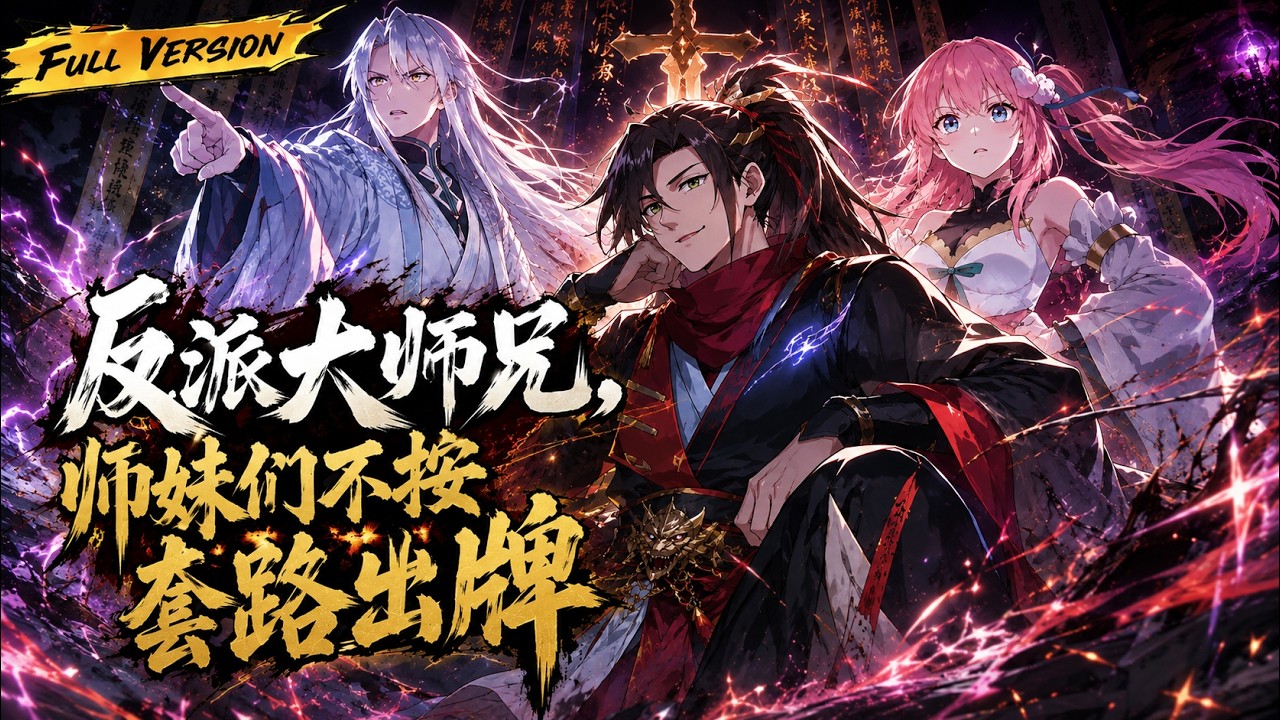
In Divine Throne: Idle RPG, the path to victory is rarely found by following the "Chosen One" archetypes that the game introduces in the tutorial. Instead, the most efficient way to climb the ranks is to embrace the "Anti-Hero" playstyle—a strategy focused on subverting traditional team synergy to exploit hidden narrative mechanics. By shifting your focus away from standard hero tropes and toward characters with disruptive, antagonistic, or "rebel" traits, you can bypass conventional power-leveling constraints and gain significant advantages in both PvE progression and PvP combat.
Subverting the Protagonist Power Curve
The standard meta in Divine Throne: Idle RPG encourages players to invest heavily in balanced, heroic units. However, these characters often suffer from predictable skill rotations and high resource costs that AI-driven opponents are specifically designed to counter.
To break the expected meta, pivot your focus toward sub-archetypes labeled as "Rebels" or "Antagonists." These units possess "hidden growth" mechanics that activate when they are paired with non-traditional support heroes. Unlike standard heroes who rely on flat stat increases, anti-hero units specialize in high-utility abilities that ignore common defensive buffs. By prioritizing these units, you effectively punch above your weight class, as their skill sets are designed to disrupt the rigid formations of traditional, defense-heavy teams.
Exploiting Narrative-Driven Combat Bonuses
One of the most nuanced systems in Divine Throne: Idle RPG is the "Narrative Tension" mechanic. The game calculates hidden modifiers based on the conceptual clash between your squad and the opposition. When you deploy an anti-hero squad against a team composed of "Destined" or "Chosen" heroes, your squad receives a significant, invisible synergy bonus.
To maximize this mechanic:
- Analyze the Enemy: Before a high-stakes battle, check the lead hero’s archetype. If they are a traditional "Hero" or "Protagonist" type, they are susceptible to narrative disruption.
- Trigger Antagonistic Synergies: Pair units with "Antagonistic" traits. This triggers a specific combat modifier that boosts your team’s critical hit rate against "Destined" enemies.
- Avoid "Clashing Destiny": Do not mix too many heroic archetypes in an anti-hero squad. Doing so triggers a "Clashing Destiny" debuff, which reduces your global team speed and negates your strategic advantage.
Optimizing Resource Allocation for Anti-Heroes
Adopting an anti-hero strategy requires a ruthless approach to currency management. Standard hero upgrades are designed to be linear and costly, draining your resources before you reach meaningful power spikes. To excel, you must redirect your investment into "Cultivation Fragments."
Cultivation Fragments are the primary currency for unlocking the true potential of anti-hero units. By ignoring standard gear pulls and focusing your daily resource farming on these specific fragments, you ensure your primary damage dealers reach their critical power spikes significantly faster than the rest of the server. While this may leave your defense slightly lower than traditional tank-heavy builds, you can compensate by investing in evasion-based enchantments. This "glass cannon" approach is the hallmark of a successful anti-hero build in Divine Throne: Idle RPG.
Navigating Narrative Crossroads and Limitations
While anti-hero units offer massive power potential, they are frequently gated behind specific story triggers. Rushing the main questline without careful planning can permanently lock out recruitment opportunities for these high-tier units.
To avoid this, observe these guidelines:
- Stop at Crossroads: When you reach a narrative crossroads, pause your main quest progression. Use this time to farm affinity items that are exclusive to the "Rebel" factions.
- Manage Alignment Decay: Relying too heavily on anti-hero abilities will cause your global affinity with standard NPCs to drop. This can restrict your access to daily quest rewards.
- Bridge the Gap: Always maintain at least one "Neutral" support unit in your formation. This unit acts as a diplomatic buffer, ensuring you retain access to essential vendor services and daily bounties while your primary team remains aggressive.
Strategic Timing for Hero Reincarnation
Reincarnation is the final, most crucial step in refining your roster. Unlike standard heroes who follow a predictable path, anti-hero reincarnation requires "Chaos Shards," which are rare drops from high-difficulty boss encounters.
The Golden Rule of Reincarnation: Never initiate this process until your hero has reached the absolute maximum level cap for their current tier. Attempting an early reincarnation results in a permanent loss of base stats that cannot be recovered through later leveling.
Once successfully reincarnated, your hero gains a "Trait Override" ability. This is the ultimate goal of the anti-hero strategy, as it allows your units to completely ignore elemental weaknesses. By waiting for the exact moment of reincarnation, you transform what appears to be "cannon fodder" into a dominant endgame force that dictates the flow of the battle, effectively turning the game’s narrative expectations on their head.
By following these tactics, you move beyond the surface-level mechanics of Divine Throne: Idle RPG and tap into the core of its tactical depth, ensuring your rise to the top of the leaderboards is both calculated and inevitable.

Free Divine Throne: Idle RPG Codes
Current active codes and how to redeem them.

Michael Smith
Michael covers live-service games, events, reward systems, and efficient daily routines, turning frequent updates into clear actions for players.
COMMUNITY
Player Comments
157 players commented on this guide.
The explanation is clear, especially for beginners.
This helped me understand resources much better.
This saved me time in the early game.
I wish I had read this before upgrading the wrong thing.