
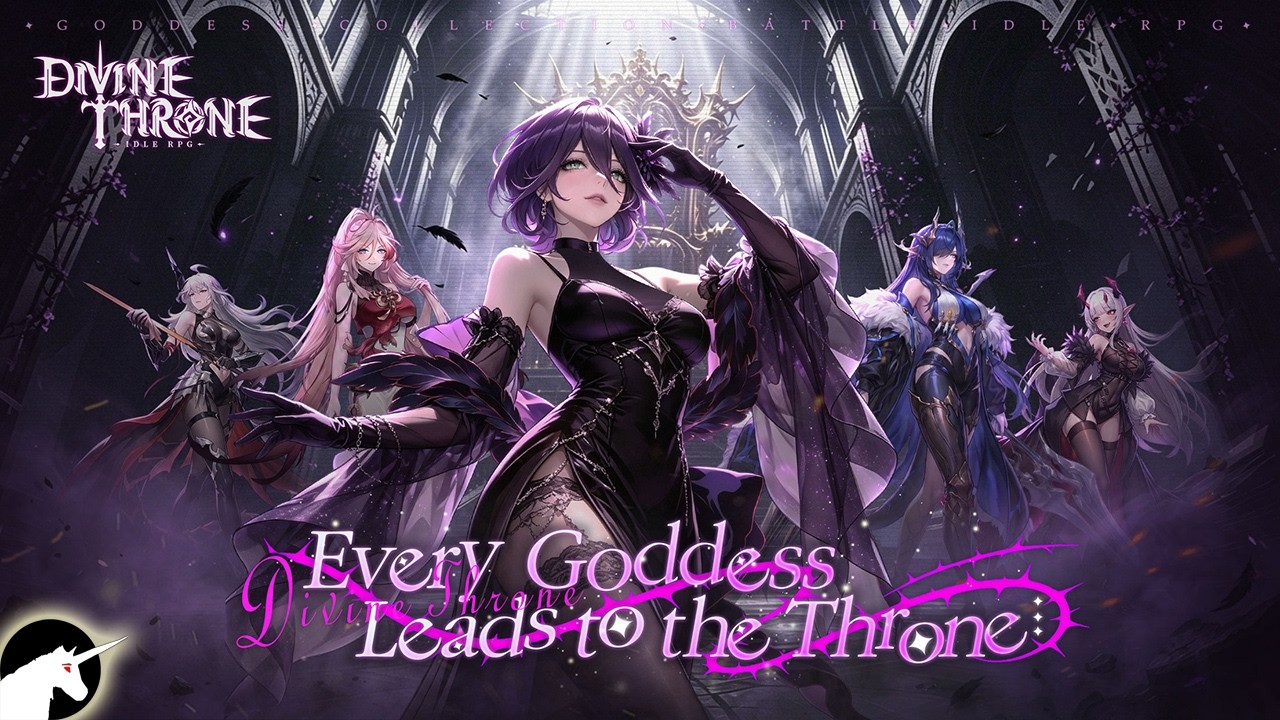
In Divine Throne: Idle RPG, the velocity of your progression is directly tied to your efficiency in the main campaign. Because the game utilizes an automated resource generation system, every stage you clear acts as a permanent multiplier for your idle rewards. The primary search intent for new players is how to bypass early-game bottlenecks without wasting precious currency or materials. To succeed, you must move away from a "collect-all" mentality and adopt a focused, aggressive strategy that prioritizes the campaign above all secondary systems.
The Foundation: Why Campaign Pushing is Priority One
In Divine Throne: Idle RPG, your idle loot—gold, experience points, and equipment—is not static. It scales based on your "Stage Level." If you linger in early stages, you are effectively leaving high-tier gear and essential leveling materials on the table.
The game’s progression loop is simple but unforgiving:
- Clear Stage: Pushes the campaign forward and increases the base rate of idle rewards.
- Collect Rewards: Provides the materials required to upgrade your core heroes.
- Upgrade Heroes: Increases team combat power (CP), allowing you to clear the next, harder stage.
If you stop pushing the campaign, your idle rewards stagnate. This leads to a "resource drought" where you lack the gold or materials to upgrade your heroes to meet the requirements of later stages. Treat every moment spent outside the campaign menu as a strategic decision, not a default state.
Strategic Hero Deployment and Party Composition
While Divine Throne: Idle RPG features automated combat, your success is determined before the battle begins. New players often fall into the trap of spreading resources across too many heroes. This is a critical error.
The "Core Five" Rule
Focus your investment on exactly one team of five heroes. Spreading your leveling materials across ten or fifteen characters will leave your entire roster underpowered. When choosing your core team, look for:
- The Anchor Tank: A hero with high survivability to hold the front line.
- The Primary DPS: Your highest damage dealer who should receive the bulk of your gear upgrades.
- The Utility/Healer: A support unit that provides buffs or survivability to keep the team alive through boss encounters.
Pro-Tip: If you hit a difficulty wall, do not immediately assume you need new heroes. Often, simply swapping your Tank to the front-center position or moving your Healer to a safer, back-row slot will provide the necessary survivability to clear the stage.
Optimizing Passive Resource Collection
The "Idle" in Divine Throne: Idle RPG implies that you can walk away, but to progress quickly, you must manage your check-in frequency. The resource chest has a capacity limit. Once it hits that cap, you stop earning materials.
Maximize Your Idle Income
- Regular Check-ins: Aim to claim your rewards at least every 8–10 hours. This prevents the "capacity cap" from halting your progress while you sleep or work.
- The "Quick Raid" Feature: If the game offers a "Quick Raid" or "Speed-up" function, use it only after you have pushed as far as possible in the campaign. Never use these boosters early in the day; wait until you have reached your absolute limit, then use them to jump-start your team’s power for the next push.
- Inventory Hygiene: Regularly check your inventory to equip gear. The "Auto-Equip" feature is helpful for beginners, but as you move into the mid-game, manually review your gear to ensure your primary damage dealer is receiving the items with the highest offensive stats.
Identifying and Breaking Through Difficulty Spikes
Even with a perfect setup, you will eventually hit a "boss wall." This is an intended gameplay mechanic meant to test your resource management. When you fail a stage, follow this diagnostic protocol:
- Check the Combat Log: Does your Tank die first? If yes, upgrade their armor or swap them for a sturdier unit. Does the enemy survive with low health? If yes, your damage dealer needs more levels or weapon enhancements.
- Level Disparity: Ensure your heroes are at the level cap. If they aren’t, spend your idle-accumulated gold to reach that cap immediately.
- Skill Synergy: Some heroes have abilities that trigger only when placed in specific rows. Read the hero ability descriptions carefully; shifting a unit's position can change their effectiveness significantly.
Common Mistakes to Avoid
- Hoarding Resources: Do not save your upgrade materials for "a better hero later." In the early game, the cost of leveling is low, and you can often "reset" or "recycle" heroes later. Spend what you have to keep moving.
- Ignoring Daily Quests: While the campaign is your focus, daily quests provide "premium" currency that is difficult to get otherwise. Spend 5–10 minutes clearing these to ensure you have the funds for potential future hero summons.
- Neglecting Equipment Upgrades: Many players forget that equipment has levels. A low-tier piece of gear upgraded to +5 is often better than a high-tier piece at +0.
Conclusion: Sustaining Momentum
The key to Divine Throne: Idle RPG is the cycle of push, check-in, upgrade, and repeat. By focusing your resources on a core team and ensuring your campaign stage is as high as your current power level allows, you create a snowball effect. You will find that the resources you collect while idle become more than enough to handle the next set of campaign stages, creating a satisfying and consistent growth curve.
Stay aggressive with your campaign progression, keep your core five heroes at the level cap, and always clear your idle chest before it hits capacity. If you follow this disciplined approach, you will bypass the common pitfalls that trap most new players and reach the endgame content with a highly optimized, powerful roster.

Free Divine Throne: Idle RPG Codes
Current active codes and how to redeem them.

James Brown
James focuses on Android gaming on PC, emulator setup, controls, performance tuning, and practical troubleshooting for longer play sessions.
COMMUNITY
Player Comments
50 players commented on this guide.
The explanation is clear, especially for beginners.
The tips are practical and easy to follow.
Can you add more details about early game in a future update?
Nice guide. I am checking the other Divine Throne: Idle RPG articles next.