
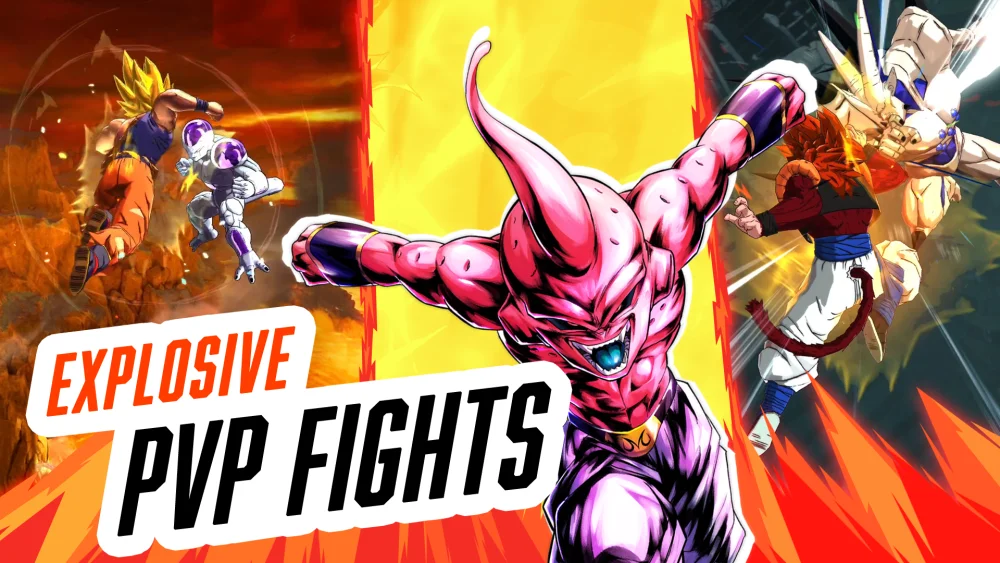
To achieve consistent success in the DRAGON BALL LEGENDS PvP meta, a God Ki team must be built on a foundation of aggressive synergy and defensive adaptability. Because the God Ki tag features some of the game's most potent offensive threats, your strategy should focus on "pressure-locking"—a technique where you force the opponent to exhaust their vanish gauge early, allowing your core units to chain long, high-damage combos. Success isn't just about having the newest characters; it is about managing the rhythm of your rotations to ensure your team remains a constant threat.
Mastering the God Ki Offensive Loop
The primary objective of any God Ki team is to maintain relentless offensive pressure. God Ki units are characterized by their ability to generate resources, recover Ki, and draw cards rapidly. To excel, you must identify your "primary engine"—the unit that provides the best Card Draw Speed (CDS) or Ki recovery—and use them to initiate the combo.
- Vanish Baiting: Use short, single-tap attacks to force the opponent to use their vanish gauge. Once they are vulnerable, swap into your high-damage dealer to start your main combo.
- Card Cycling: Because God Ki units often have unique arts card effects, prioritize using Blast or Strike cards that provide debuffs or draw additional cards to keep your combo alive as long as possible.
- Ki Management: Avoid over-extending. Always leave a small reserve of Ki to perform a defensive vanish or a "side step" to regain your footing if the opponent manages a perfect vanish.
Defensive Switching and Damage Mitigation
In the current meta, even the most aggressive God Ki squads will eventually face a counter-attack. Defensive switching is what separates high-rank players from the rest. You must treat your HP pool as a shared resource rather than individual health bars.
Tactical Swap Priorities
- Identify the Threat: Determine which enemy unit is the "win condition" (the one with the highest damage output). Your priority is to ensure your most durable unit is ready to tank their attacks.
- Cover Rescue Mastery: Use your units with "Cover Rescue" (the ability to stop an enemy combo mid-stream) sparingly. If you waste a cover rescue early, you leave your team defenseless against a potentially game-ending Ultimate Arts card.
- The "Pivot" Swap: If a unit is being comboed, don't wait for them to reach critical health. Swap to a unit with Damage Reduction or "Cover Change" abilities to disrupt the opponent's momentum.
Optimizing Z-Abilities and Bench Synergy
One of the most common mistakes in DRAGON BALL LEGENDS is focusing exclusively on the three fighters you bring into battle. Your bench units are the backbone of your team’s performance. In a God Ki team, you are looking for multiplicative buffs that elevate your core from "good" to "meta-defining."
- Prioritize Dual Stats: Look for bench units that provide both offensive (Strike/Blast Attack) and defensive (Health/Defense) buffs. Health buffs are particularly valuable in the current meta, as they increase the survivability of your entire team, allowing them to withstand modern meta-breaking Ultimates.
- The "Core-to-Bench" Ratio: Ensure that every unit on your team benefits from the Z-Abilities of your bench. A common strategy is to have at least two bench units focusing on "Blast Attack" for a ranged-heavy team or "Strike Attack" for a melee-focused God Ki squad.
Adapting to Meta Shifts
DRAGON BALL LEGENDS is a game of constant flux. A unit that is top-tier today might be countered by a new release tomorrow. To keep your God Ki team competitive:
- Equipment Strategy: Don't rely on a single set of equipment. If the meta shifts toward defensive "tank" teams, prioritize equipment that grants "Damage vs. [Tag]" or "Increased Critical Rate." If you are facing faster, more aggressive teams, prioritize "Health Restoration" and "Special Move Damage."
- Unit Roles: Every God Ki team needs a dedicated "Disruptor." This is a unit that might not have the highest damage output but possesses tools like "Ki Reduction" upon switching in, or "Card Destruction" to break the opponent’s combo rhythm. Always include at least one disruptor to handle unpredictable opponents.
Common Mistakes and How to Avoid Them
Even expert players occasionally fall into tactical traps that lead to unnecessary losses. Recognizing these errors is the first step toward correcting them.
- The "One-Unit" Trap: Never rely on a single powerhouse to carry the match. If that unit is locked or defeated, your team will fall apart. Spread your damage potential across your core three.
- Ignoring the Vanish Gauge: The most common cause of defeat is failing to respect the opponent's vanish gauge. If your opponent has their vanish, assume they will use it. Don't throw out your Ultimate or Special Move blindly.
- Over-committing to Ultimates: While tempting, using an Ultimate card early can be a mistake. If it is dodged, you lose your biggest damage dealer and your most reliable source of pressure. Save your Ultimate for when you have confirmed the opponent is out of vanish or when it is necessary to secure a kill on a key target.
Conclusion: Constant Evolution
Building a God Ki team in DRAGON BALL LEGENDS is an ongoing process of refining your bench, testing new equipment combinations, and mastering the timing of your switches. By focusing on aggressive pressure balanced by smart defensive rotations, you can remain a dominant force in PvP. Stay flexible, keep your eyes on the current meta trends, and remember that in the world of DRAGON BALL LEGENDS, the most effective strategy is the one that forces your opponent to play at your pace.

Free DRAGON BALL LEGENDS Codes
Current active codes and how to redeem them.

Sarah Williams
Sarah specializes in RPG and collection games, explaining team building, character growth, and beginner-friendly ways to avoid expensive early mistakes.
COMMUNITY
Player Comments
44 players commented on this guide.
I tried this today and it worked better than my old setup.
This helped me understand strategy much better.
Can you add more details about strategy in a future update?
This guide answered the exact question I had.