
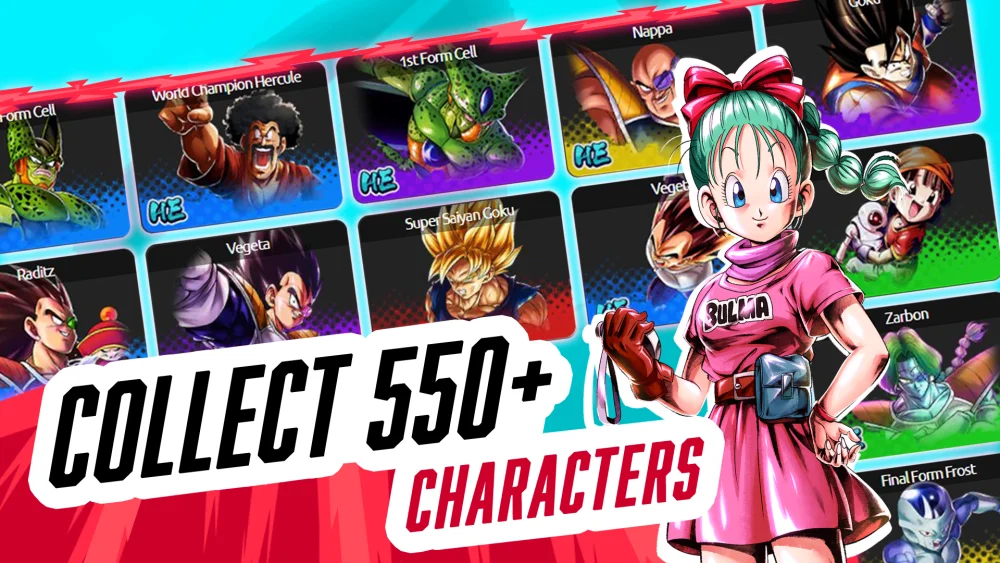
In DRAGON BALL LEGENDS, the allure of ULTRA-tier summons often blinds players to the hidden potential within their standard summon pools. While top-tier banners define the current meta, high-level PvP is ultimately decided by team composition, resource management, and combat execution. You do not need a roster full of premium units to reach high ranks; instead, you need to understand how to integrate accessible, free-to-play characters into a cohesive strategy that exploits the weaknesses of over-reliant meta teams.
Assessing Hidden Potential in Non-Premium Pulls
To compete at a high level, you must shift your perspective from "rarity" to "utility." Many players suffer from rarity bias, discarding units that lack the "ULTRA" or "SPARKING" badge of the latest banner. However, in DRAGON BALL LEGENDS, a unit’s value is dictated by its kit—specifically its ability to disrupt, sustain, or support.
When analyzing your free pulls, look for these three critical combat mechanics:
- Disruption Abilities: Units that can destroy enemy cards, reduce Ki, or inflict "faint" or "paralysis" are invaluable. These effects disrupt the opponent's combo flow, which is the most dangerous aspect of high-tier play.
- Cover Change Utility: A unit with a specialized cover change (the ability to stop an opponent’s combo mid-attack) is often more valuable than a high-damage dealer. If your free unit can nullify an opponent’s attack sequence, they effectively "buy" you time to restore your vanish gauge.
- Support Z-Abilities: Always check the Z-Ability of a unit. A unit that provides a 30% defensive buff to a specific tag (e.g., "Saiyan" or "Universe Representative") can be the difference between surviving a Rising Rush and being knocked out of the match.
Building Synergy-Focused Teams
Success in DRAGON BALL LEGENDS PvP is rarely about a single powerhouse unit; it is about how well your six-character party works in tandem. When your roster is built from free summons, you must lean heavily into "Tag Synergy."
If your pulls yield units that share a common tag, build your bench around them. Even if a unit is not your primary attacker, their presence in the party to boost the Z-Ability of your core team is a vital contribution.
Steps for Effective Team Construction:
- Identify the Core: Select your two strongest units—these will be your primary offensive threats.
- Fill Utility Gaps: If your attackers are "glass cannons," fill the remaining slots with free units that provide health restoration or defensive buffs.
- Optimize Z-Ability Chains: Use the "Auto-Select" feature as a baseline, but manually refine it to ensure every unit is receiving at least two or three relevant stat buffs.
- Test in Training Battle: Before taking a new team to Ranked PvP, spend 3–5 matches in Training Battle. This allows you to learn the timing of your units' unique gauges without the pressure of losing rank points.
Mastering Resource Allocation
One of the distinct advantages of using free-to-play units is the reduced opportunity cost. Because you aren't spending thousands of Chrono Crystals to pull these characters, you have a massive surplus of Zeni, Souls, and Slot Removers to invest in them.
Maxing out your free units is a strategic necessity. Fully soul-boosting a free unit brings their base stats closer to the modern standard, allowing their unique abilities to shine. Focus your resources on:
- Soul Boosting: Prioritize the panels that increase base health and strike/blast defense.
- Equipment Optimization: Use your Slot Removers to roll "Gold" or "Red" slots on equipment specifically tailored to your free unit's strengths (e.g., Strike Attack for a melee-focused unit).
- Zenkai Awakening: Keep an eye on the "Zenkai" system. Many older units can be awakened for free through missions, turning them into meta-relevant powerhouses that rival recent summons.
Strategic Execution and Pilot Discipline
In a match, your "budget" units should be piloted with extreme caution. Because opponents often underestimate free-to-play units, you can use this to your tactical advantage.
Baiting and Rotation Tactics:
- The Vanish Bait: Use your lower-tier unit to initiate a long-range tap shot. If the opponent panics and uses their vanish, you have successfully neutralized their defensive advantage, opening the door for your stronger units to land a full combo.
- Defensive Rotations: If you have a free unit with high damage reduction, use them to "tank" hits during the opponent’s combo. Your goal isn't to win the damage trade with these units; it is to stall until your primary attacker’s vanish gauge is refilled.
- Managing the Flow: Avoid the trap of "panic-swapping." Keep your units in play until their utility is exhausted or they are truly in danger. By forcing the opponent to commit their heavy-hitters against your secondary units, you dictate the pace of the match.
Avoiding Common Mistakes
Even with a solid team, many players lose due to poor habits. Avoid these common pitfalls:
- Ignoring the "Unique Gauge": Every unit has a unique gauge that dictates their best playstyle. Failing to understand when a unit is at "max power" leads to wasted potential.
- Over-committing Resources: Do not invest heavily in every free unit you pull. Focus on building one or two "meta-counter" teams rather than spreading your resources thin across a dozen mediocre characters.
- Neglecting Equipment: A unit with 0/0/0 equipment is a liability. Even free equipment can be upgraded to provide significant stat boosts that bridge the power gap between you and the opponent.
By treating your free units as tactical tools rather than "lesser" versions of premium characters, you can build a versatile, unpredictable, and highly effective team. In DRAGON BALL LEGENDS, the smartest player—not necessarily the one with the most expensive units—is the one who climbs the ranks.

Free DRAGON BALL LEGENDS Codes
Current active codes and how to redeem them.

James Brown
James focuses on Android gaming on PC, emulator setup, controls, performance tuning, and practical troubleshooting for longer play sessions.
COMMUNITY
Player Comments
134 players commented on this guide.
This guide answered the exact question I had.
I wish I had read this before upgrading the wrong thing.
The tips are practical and easy to follow.
This saved me time in the early game.