
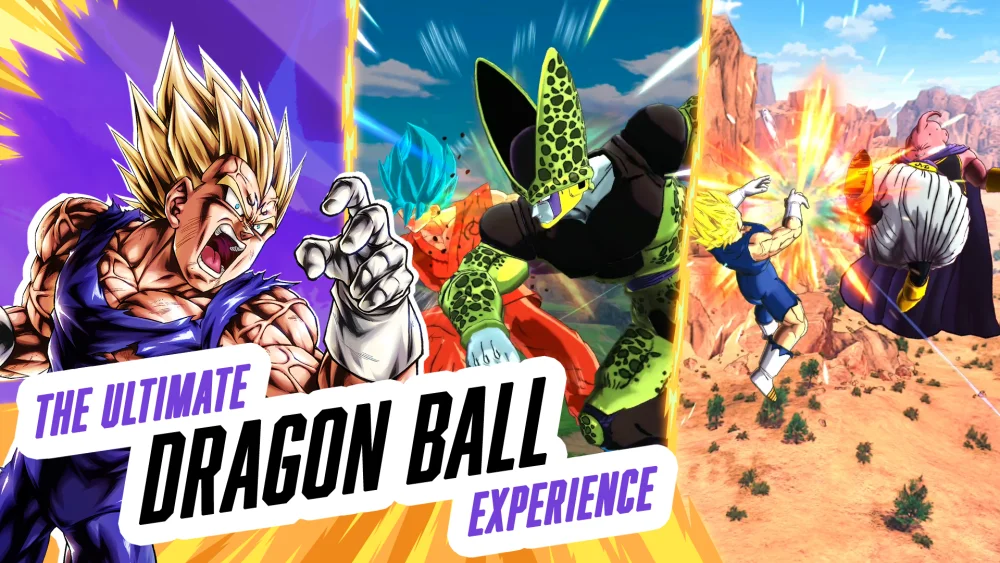
The anniversary period in DRAGON BALL LEGENDS is the most critical time for any player’s account. With high-hype banners, game-breaking units, and massive influxes of Chrono Crystals, the temptation to spend impulsively is at its peak. However, success in DRAGON BALL LEGENDS isn't defined by how many units you pull, but by the strategic value those units bring to your long-term team compositions. By shifting your focus from "hype" to "utility and synergy," you can ensure your roster remains competitive long after the anniversary fireworks have faded.
The Art of Analyzing New Character Kits
When a new character is unveiled during an official DRAGON BALL LEGENDS stream, the visual spectacle can often distract from the cold, hard mechanics. To determine a unit's true worth, you must look past the flashy ultimate animations and focus on these three pillars:
- Unique Gauge Mechanics: Characters that introduce new gauges—such as those that provide passive cover changes, vanish restoration, or gauge-based counters—are almost always designed to define the meta for the next several months.
- Defensive Utility: In the current high-damage environment, a unit’s ability to survive is often more valuable than their ability to deal damage. Look for "Damage Reduction" passives, "Cover Change" abilities that stop combos, and healing mechanics. If a unit has high damage but lacks defensive utility, they are prone to being "glass cannons" that lose value quickly.
- Offensive Versatility: Does the unit have "Card Draw Speed" increases? Do they "nullify special cover changes"? These traits allow a unit to maintain pressure, ensuring they can force a mistake from the opponent regardless of the defensive options available.
Long-Term Value vs. Anniversary Hype
The most common mistake players make is chasing a unit solely because they are the "face" of the anniversary. To build an account that thrives, you must prioritize "essential" units over "hype" units.
An essential unit is the "glue" that holds a team together. They often provide Z-Abilities that boost multiple tags, or they possess passive abilities that support the entire team, such as team-wide damage buffs upon swapping out. When evaluating a banner, ask yourself: Does this character fill a void in my current main team, or do they force me to build an entirely new team from scratch? If a unit fits seamlessly into your existing setup, their value is exponentially higher than a flashy standalone character.
The Anniversary Evaluation Checklist
Before spending your hard-earned Chrono Crystals, run the potential pull through this checklist:
- Tag Synergy: Does the unit share at least two major tags with your primary teams?
- Meta-Proofing: Does the unit have a mechanic that counters current dominant teams (e.g., endurance nullification or buff removal)?
- Utility Floor: Can the unit function effectively even if they are not at high star levels?
Managing Chrono Crystal Cycles
DRAGON BALL LEGENDS anniversary celebrations are typically split into multiple parts. The first banner is rarely the only one, and it is rarely the most powerful.
The "Wait and See" Strategy: Never spend your entire Chrono Crystal stash on the day an anniversary banner drops. Often, the second or third part of the anniversary will feature units that act as direct counters to the first part's units, or they may offer better team synergy for your specific account. By waiting, you gather more information about the full scope of the event. If you are a free-to-play player, set a "Pity Threshold." If you don't have enough crystals to reach the pity limit (the amount required to guarantee a featured unit), be extremely cautious about pulling, as the RNG of DRAGON BALL LEGENDS can be unforgiving.
Identifying Power Creep Indicators
Power creep is an inherent part of DRAGON BALL LEGENDS, but savvy players can spot it before the banners even go live. During reveal streams, listen carefully for specific keywords:
- "Nullifies Endurance": Units with this trait are designed to bypass the most common defensive safety net in the game. They are priority targets.
- "Removes Buffs": Units that can strip opponents of their offensive buffs are vital for shutting down setups that rely on sustained damage.
- "Ignores Special Cover Changes": This is the ultimate offensive tool. If a new unit has this, they are designed to be an oppressive force in neutral gameplay.
If a unit lacks these modern mechanics, they are likely meant to be a bridge unit—fun for casual play, but potentially unreliable for high-rank PvP.
Leveraging Community Knowledge for Better Decisions
While official streams provide the data, the community provides the context. After a reveal, engage with DRAGON BALL LEGENDS community forums or Discord groups to see how veteran players interpret the new kits.
Often, a character’s true potential is hidden in their "Zenkai" synergies or their specific equipment compatibility. For example, a unit might seem mediocre at first glance, but if the community identifies that they pair perfectly with an existing, high-tier unit you already own, their value skyrockets.
Final Steps Before You Summon:
- Watch the Showcases: Always watch independent gameplay footage of the unit in training mode. This helps you understand their attack speed, vanish timing, and how their unique gauge feels in real-time combat.
- Assess Your Roster: Be honest about your current needs. Do you need a better Blue unit to stop a prevalent Red meta-threat? Do not summon for a unit just because they are new; summon because they solve a specific problem in your current rotation.
By treating your Chrono Crystal allocation as a long-term investment rather than a gamble, you ensure that your account remains a force to be reckoned with in DRAGON BALL LEGENDS. Stick to your plan, prioritize utility, and don't let the anniversary hype dictate your spending habits.
Free DRAGON BALL LEGENDS Codes
Current active codes and how to redeem them.

Emily Johnson
Emily writes practical mobile strategy guides with a focus on resource planning, base progression, and the early decisions that shape a long-term account.
COMMUNITY
Player Comments
159 players commented on this guide.
This saved me time in the early game.
I tried this today and it worked better than my old setup.
This helped me understand heroes much better.
I wish I had read this before upgrading the wrong thing.