
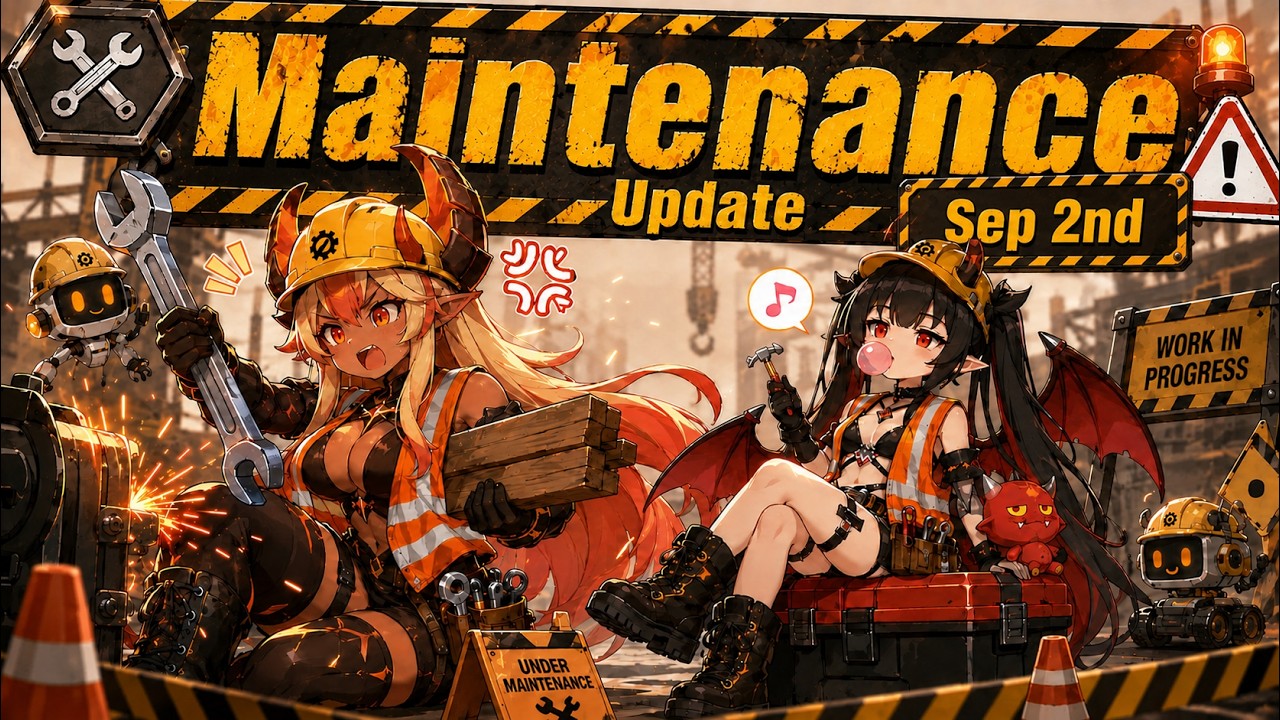
The September 2nd maintenance update for Dragon Traveler brings a highly anticipated return of the Prometheus Wyrmspell event. For many players, reruns represent a critical fork in the road: do you spend your hard-earned gems to bridge a gap in your current lineup, or do you save for future, potentially more powerful, power-crept units?
Deciding whether to commit to these banners requires more than just looking at a unit's rarity. You must evaluate your current progression stage, your existing elemental synergies, and your long-term resource stockpile. This guide provides a strategic framework to help you navigate the Prometheus and Ningrose rerun banners efficiently.
The Prometheus Wyrmspell: Analyzing High-Burst Value
Prometheus remains one of the most reliable damage dealers in the Dragon Traveler meta. His kit is designed for players who need to break through high-HP boss thresholds or clear wave-based content where sustained AOE damage is lacking.
When to pull for Prometheus:
- You lack a primary DPS: If your current main carry is struggling to meet the DPS checks in the mid-to-late game, Prometheus is a top-tier candidate.
- You have supporting debuffers: Prometheus’s damage scaling is heavily dependent on his ability to capitalize on enemy debuffs. If your roster already includes heroes who can inflict defense shred or elemental weakness, Prometheus will perform at peak efficiency.
- You are building an elemental team: If you are focusing on a specific element that favors Prometheus, he acts as an essential anchor for that synergy.
If you already have a well-rounded roster of established damage dealers, pulling for Prometheus should be viewed as a "luxury" investment rather than a necessity. Evaluate if his specific kit offers a direct upgrade to your current main DPS or if he merely serves as a side-grade.
Assessing Ningrose: The Utility Specialist
Unlike the raw power of Prometheus, Ningrose brings a complex utility kit to the table. In Dragon Traveler, utility heroes often have a longer "shelf life" than pure damage dealers, as their ability to manipulate the battlefield or sustain the team remains relevant even when the meta shifts toward higher damage numbers.
When to pull for Ningrose:
- Your team lacks sustain: If you find your progression stalling because your team is dying before they can finish the encounter, Ningrose’s support kit can be a game-changer.
- You need specific crowd control: Some late-game stages require precise timing of debuffs or crowd control to prevent enemy ultimate abilities. Ningrose excels in these tactical scenarios.
- You have the gear to support her: Support units in Dragon Traveler are often only as good as the gear they wear. Ensure you have high-tier support equipment available before you commit to building her.
If your team composition is already stable and you are clearing content comfortably, Ningrose might not provide the immediate "power spike" you need. Save your gems unless you specifically need her utility to overcome a recurring wall in your progression.
Strategic Resource Management for Reruns
The biggest mistake players make during maintenance updates is "panic pulling"—spending resources on impulse because a banner is returning. In an AFK-style game like Dragon Traveler, your premium currency is the most valuable asset you have.
The "Rule of Three" for Reruns
Before you spend a single gem, apply these three rules:
- Define Your Goal: Are you pulling to complete a collection, or are you pulling to clear a specific stage you are stuck on? If the answer is just "to have the unit," consider saving.
- Set a Hard Budget: Determine how many gems you are willing to lose before you stop. If you reach that number and don’t pull the unit, stop immediately.
- Account for Future Banners: Always look at the long-term calendar. If a new, highly anticipated hero is rumored to be on the horizon, consider whether that new unit offers more value than the rerun.
Optimizing Your Daily Progression
Maintenance updates often introduce event-specific missions that provide secondary rewards. Before you pull, maximize your free resources by:
- Completing Event Quests: Focus on the event-specific tasks first. These often reward summon tickets or materials that can help you level up a unit immediately after you pull them.
- Waiting for Community Feedback: Since the event lasts for several days, don’t feel pressured to pull on the first day. Wait for top-tier players and community forums to provide updated testing on how Prometheus and Ningrose perform in the current post-maintenance meta.
- Focusing on Synergy: Remember that in Dragon Traveler, a team of four well-synergized mid-tier heroes will almost always outperform a single high-tier hero surrounded by low-synergy units. Prioritize units that make your existing lineup better rather than units that stand alone.
Avoiding Common Pitfalls
- Chasing Units for FOMO: Do not pull for a unit simply because it is a "rerun." If you didn't need them the first time they were released, you likely don't need them now.
- Neglecting Material Costs: Getting the unit is only half the battle. Do you have the experience books, hero shards, and gear to bring them up to your current team level? If you drain your resources pulling the unit but have nothing left to level them, you are effectively stalling your progress.
- Ignoring Elemental Weaknesses: Always check the enemy types in the stages you are currently struggling with. A lower-tier unit with an elemental advantage is often better than a top-tier unit with an elemental disadvantage.
By taking a measured, analytical approach to the Prometheus and Ningrose rerun, you can ensure that your Dragon Traveler account continues to grow in strength. Focus on what your roster is currently missing, set a strict budget, and prioritize long-term utility over short-term excitement. Happy gaming, and may your pulls be lucky!

Free Dragon Traveler Codes
Current active codes and how to redeem them.

Emily Johnson
Emily writes practical mobile strategy guides with a focus on resource planning, base progression, and the early decisions that shape a long-term account.
COMMUNITY
Player Comments
142 players commented on this guide.
I wish I had read this before upgrading the wrong thing.
Nice guide. I am checking the other Dragon Traveler articles next.
Can you add more details about updates in a future update?
I tried this today and it worked better than my old setup.