
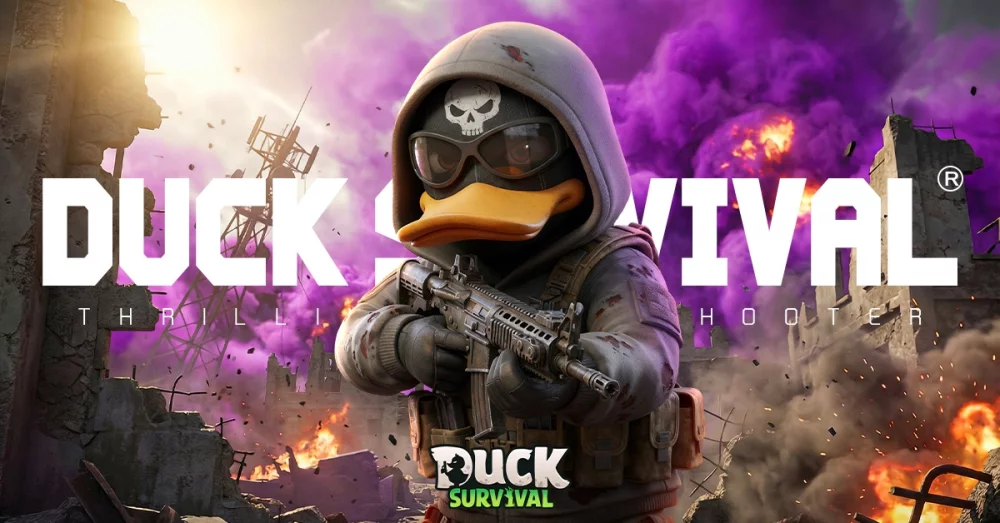
In the unpredictable environment of Duck Survival, encountering a giant Muscovy duck presents a unique challenge for players looking to expand their farm or manage local wildlife. Unlike standard waterfowl, the Muscovy duck exhibits strong territorial behaviors, particularly when guarding a nest of eggs. Understanding how to interact with these birds without triggering defensive aggression is key to successful long-term survival.
Identifying Muscovy Duck Nesting Sites
The Muscovy duck is known for its distinct physical presence and its tendency to nest in secluded, well-hidden areas. When exploring the map, keep an eye out for high-grass zones or sheltered farm structures where these birds tend to establish their territory.
- Visual Cues: Look for larger-than-average silhouettes and distinct plumage patterns that differ from common mallards.
- Audio Cues: Muscovy ducks are generally quieter but will emit distinct hissing or low-frequency warnings when they perceive an intruder near their nest.
- Egg Identification: Nests guarded by these ducks often contain unique, dark-shelled eggs. These are high-value targets for players interested in specialized incubation or resource collection.
Strategies for Approaching Guarded Nests
Attempting to approach a nesting Muscovy duck directly will often result in the bird engaging in defensive maneuvers. To minimize risk while securing resources, utilize the following approach tactics:
| Approach Method | Risk Level | Utility |
|---|---|---|
| Stealth/Crouch | Low | Best for observing patterns without alerting the duck. |
| Distraction | Medium | Use small food items to draw the bird away from the nest. |
| Barrier Placement | Low | Construct temporary barriers to block sightlines before approaching. |
Tips for Safe Interaction
- Maintain Distance: Avoid entering the "aggression zone" indicated by the duck’s posture. If the bird flattens its body or hisses, back away immediately.
- Observe Patterns: Spend time watching the duck’s routine. Most Muscovy ducks will leave the nest for short intervals to forage, providing an opening for resource collection.
- Use Environmental Cover: Use trees, bushes, or man-made structures to obscure your movement. The AI in Duck Survival relies heavily on line-of-sight detection.
Resource Management: Handling Black Eggs
If you successfully retrieve black eggs from a Muscovy nest, prioritize their storage and safety. These eggs are prone to damage if not handled correctly.
- Incubation Requirements: Ensure your incubator is calibrated for the specific thermal needs of Muscovy eggs, which can differ from standard chicken or smaller duck breeds.
- Protection: Once hatched, the ducklings will require a secure enclosure. Muscovy ducklings are vulnerable to local predators and must be kept in a reinforced coop until they reach maturity.
- Long-term Value: Raising these ducks provides a sustainable source of specialized resources that are otherwise rare in the wild.
Avoiding Aggression
The primary mistake players make is overestimating their mobility when a Muscovy duck is on the defensive. These birds can be surprisingly fast over short distances. If you inadvertently trigger an attack:
- Don't Run Straight: Use zig-zag patterns around dense vegetation to break the bird's pathing.
- Utilize Water: If you are near a pond or stream, entering the water can often cause the duck to disengage, as they prefer to return to the security of their land-based nest.
- Reset the Encounter: If the duck remains agitated, leave the immediate area entirely for a full cycle (day/night) to allow their threat level to reset.
Free Duck Survival Codes
Current active codes and how to redeem them.

Emily Johnson
Emily writes practical mobile strategy guides with a focus on resource planning, base progression, and the early decisions that shape a long-term account.
COMMUNITY
Player Comments
77 players commented on this guide.
Nice guide. I am checking the other Duck Survival articles next.
I wish I had read this before upgrading the wrong thing.
This guide answered the exact question I had.
Can you add more details about strategy in a future update?