
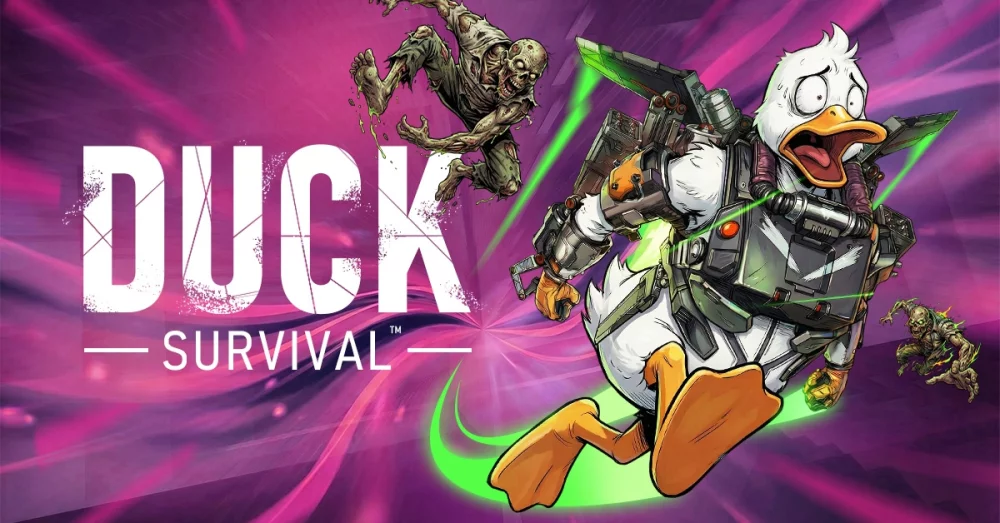
In Duck Survival, mastering the environment is just as important as managing your resources. Players often find themselves in challenging, rugged terrain where movement efficiency and obstacle navigation dictate whether your duck survives or becomes trapped. This guide focuses on the technical aspects of maneuvering through hazardous landscapes and avoiding common environmental pitfalls.
Understanding Environmental Hazards
The jungle and wilderness areas in Duck Survival are filled with natural barriers. Successful navigation requires identifying which obstacles can be bypassed and which require specific movement patterns to overcome.
| Hazard Type | Characteristic | Recommended Action |
|---|---|---|
| Dense Foliage | Slows movement speed | Follow pre-trodden paths or clearings |
| Uneven Terrain | Risk of getting stuck | Utilize short, controlled hops |
| Water Obstructions | Deep or rapid currents | Seek shallow entry points or logs |
| Narrow Passages | High collision risk | Align your character center-mass |
Tactics for Smooth Movement
Navigating the map effectively is a skill that evolves with experience. To minimize the risk of getting caught on terrain assets, keep the following strategies in mind:
- Camera Angle Calibration: Always maintain a top-down or isometric view when moving through thick vegetation. This helps you spot hidden gaps in the terrain that are invisible from a ground-level perspective.
- The "Stop-and-Scan" Method: When entering a new biome, do not sprint immediately. Pause for a second to observe the collision hitboxes of nearby rocks and trees.
- Momentum Management: Avoid constant rapid inputs if you are navigating tight spaces. Tapping the movement keys provides more precision than holding them down, which can lead to overshooting your target or hitting a collision barrier.
- Pathing Priorities: If you are traveling long distances, prioritize open ground even if it is a slightly longer route. The time spent navigating around an obstacle is often less than the time lost by getting physically stuck.
Managing Collision and Stalling
One of the most frequent issues players face is the "stalling" effect, where the duck's movement animations suggest it is still moving, but the model is obstructed by a static object. If you find your character caught:
- Cease Movement: Immediately let go of all directional keys. Constant input often forces the collision box further into the object, making it harder to escape.
- Reverse and Pivot: Instead of trying to push forward through the obstacle, reverse slightly and attempt to pivot the character’s direction by 45 degrees.
- Jump/Dash Reset: If your specific duck variant has a jump or dash ability, use it only after you have cleared the initial collision point. Using these abilities while pressed against an obstacle can occasionally cause the character to jitter or glitch deeper into the terrain.
Environmental Awareness Tips
- Shadow Cues: Use the shadows cast by trees and rocks to judge the height and width of obstacles. A darker, larger shadow usually indicates a solid object that cannot be passed through.
- Listen for Audio Changes: Sometimes, the environment provides audio cues when your movement is impeded. A change in the "thud" or "rustle" frequency can indicate that you are dragging against a surface.
- Consistent Testing: Use the early, safer areas of the map to practice tight turns around small objects. Building "muscle memory" for your duck’s movement speed will make navigating high-stress areas significantly easier.

Free Duck Survival Codes
Current active codes and how to redeem them.

Michael Smith
Michael covers live-service games, events, reward systems, and efficient daily routines, turning frequent updates into clear actions for players.
COMMUNITY
Player Comments
89 players commented on this guide.
I wish I had read this before upgrading the wrong thing.
I tried this today and it worked better than my old setup.
This saved me time in the early game.
Nice guide. I am checking the other Duck Survival articles next.