
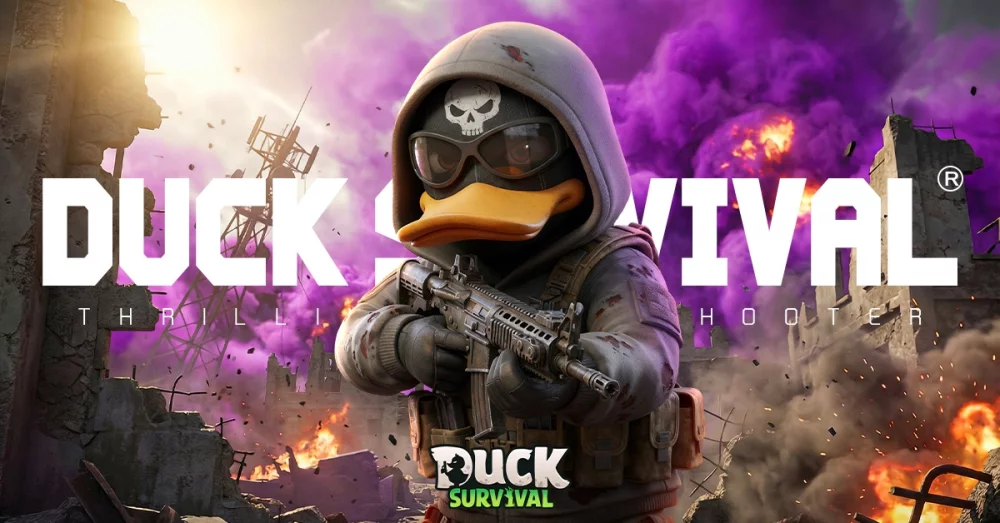
Maximizing the survival rate of your flock in Duck Survival requires mastering the parental guidance mechanics essential for early-stage development. By keeping your ducklings in tight formation and teaching them to mimic movement patterns, you significantly reduce the risk of separation during environmental transitions. This guide focuses on the critical behavioral training needed to ensure your offspring navigate hazardous terrain effectively while avoiding common predatory threats found in the early biomes.
Mastering Movement Synchronization
Effective survival relies on the ability to keep your brood moving as a single, cohesive unit. When traversing open terrain, maintaining a close proximity is your best defense against opportunistic predators.
- Lead by Example: Move steadily across open areas to encourage your ducklings to follow in a straight, predictable line.
- Constant Checking: Periodically pause your movement to allow slower ducklings to catch up, preventing stragglers from becoming isolated targets.
- Terrain Awareness: Navigate your brood along natural barriers like logs or thick brush to provide overhead cover from aerial threats.
Identifying and Reacting to Environmental Hazards
Duck Survival features various environmental triggers that can scatter your flock if not handled with caution. Understanding how to guide your ducklings through these zones is vital for mid-game progression.
| Hazard Type | Primary Risk | Mitigation Strategy |
|---|---|---|
| Open Water | Current separation | Move against the flow or hug the shoreline. |
| Dense Foliage | Loss of visibility | Use vocal prompts to keep the group tight. |
| High-Traffic Paths | Predator ambush | Avoid crossing paths during peak spawn cycles. |
Training Ducklings for Defensive Maneuvers
Teaching your ducklings to react to your behavioral cues is the most effective way to manage high-stress encounters. When a predator is detected, your primary goal is to shift from exploration to evasion.
- The Alert Signal: Practice short, rhythmic movements that signal your flock to freeze in place or hide under foliage.
- Grouping Under Canopy: In the event of a threat, prioritize directing your ducklings toward dense vegetation where the larger predator’s line of sight is obstructed.
- Transitioning to Water: If land-based predators are closing in, training your flock to prioritize aquatic entry points provides an immediate advantage, as many terrestrial threats cannot pursue deep into the water.

Free Duck Survival Codes
Current active codes and how to redeem them.

Sarah Williams
Sarah specializes in RPG and collection games, explaining team building, character growth, and beginner-friendly ways to avoid expensive early mistakes.
COMMUNITY
Player Comments
144 players commented on this guide.
This saved me time in the early game.
This guide answered the exact question I had.
Can you add more details about early game in a future update?
I tried this today and it worked better than my old setup.