
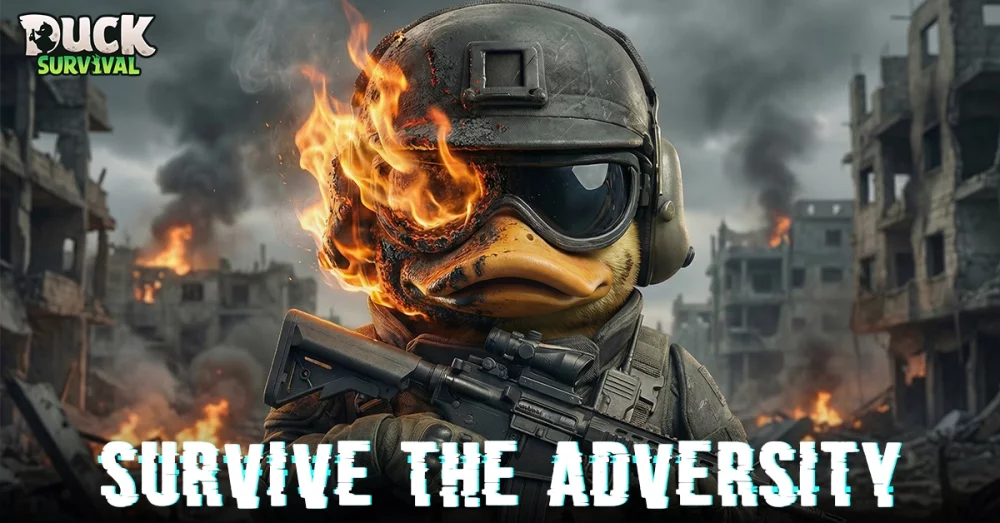
Surviving the unpredictable disasters in Duck Survival requires more than just basic resource management. When faced with environmental catastrophes that threaten your habitat and flock, you must pivot from standard survival routines to high-stakes disaster mitigation. This guide outlines the tactical approach to weathering extreme events and maintaining stability when your base is under threat.
Environmental Disaster Awareness
In Duck Survival, environmental challenges often arrive with little warning. To ensure your flock survives, you must be able to identify the onset of a disaster.
- Visual Cues: Watch for rapid changes in weather patterns, such as sudden fog banks, shifting wind directions, or unusual sky coloration.
- Audio Indicators: Environmental disasters are often preceded by distinct sound changes, such as low-frequency humming or the sudden silence of ambient wildlife.
- Early Warning Signs: If your local fauna begins to migrate or hide prematurely, treat this as a signal to secure your perimeter immediately.
Disaster Preparedness Checklist
Before a catastrophe strikes, ensure your base is capable of holding out against increased stress. Use this table to prioritize your preparation efforts:
| Preparation Task | Priority | Objective |
|---|---|---|
| Structural Reinforcement | Critical | Minimize damage to log cabins and shelters. |
| Resource Hoarding | High | Ensure at least 48 hours of food and water are stored. |
| Flock Relocation | Medium | Move vulnerable ducks to higher or more fortified ground. |
| Tool Readiness | High | Keep repair kits and essential crafting tools in a central, accessible hub. |
Tactical Survival During Catastrophes
When the disaster event triggers, your focus must shift from gathering to pure survival. Do not attempt to expand your base or venture out for resources while the event is active.
1. Perimeter Lockdown
Secure all entry points to your nesting areas. If your shelter has multiple openings, prioritize sealing the sides facing the direction of the environmental threat. Use available debris or pre-crafted barriers to reinforce these points.
2. Managing Flock Panic
Disaster events can cause your ducks to scatter, making them easy targets for predators or environmental hazards. Use grouping commands to keep your flock in a confined, reinforced space. If a specific area of the map is safer, guide your flock there before the worst of the disaster hits.
3. Post-Disaster Recovery
Once the immediate danger has passed, do not rush to scavenge. Perform a damage assessment first:
- Structural Integrity Check: Inspect the foundations of your shelters before allowing the flock to re-enter.
- Resource Inventory: Re-calculate your food stores. Catastrophes often spoil perishable items; discard any contaminated materials to prevent illness.
- Pathfinding Clearance: High-wind or flood events can block established paths. Clear debris immediately to ensure your flock can navigate to foraging zones without getting stuck.
Prioritizing Sustainability
The most common mistake players make during a disaster is attempting to continue normal operations. By shifting your strategy to "Hold and Protect," you preserve the health and longevity of your flock. In Duck Survival, the goal during a disaster is not to thrive, but to minimize losses until the environment stabilizes. Focus on maintaining a core group of survivors rather than defending every single resource node.

Free Duck Survival Codes
Current active codes and how to redeem them.

Michael Smith
Michael covers live-service games, events, reward systems, and efficient daily routines, turning frequent updates into clear actions for players.
COMMUNITY
Player Comments
51 players commented on this guide.
This helped me understand resources much better.
Can you add more details about resources in a future update?
This saved me time in the early game.
This guide answered the exact question I had.