
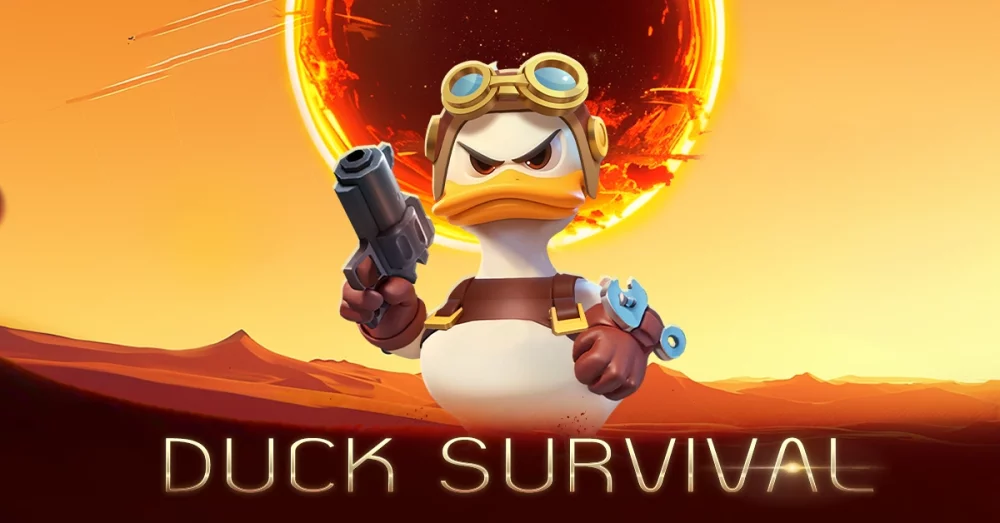
Surviving in Duck Survival requires more than just finding food; players must learn to navigate extreme environmental hazards. When you find your character trapped on a frozen lake, the mechanics of movement and temperature management become the primary factors between survival and total loss.
Environmental Hazards: The Frozen Lake
In Duck Survival, ice-covered areas are not just visual obstacles. They function as high-risk zones that drain your resources quickly. Understanding how the environment interacts with your duck’s health is essential for long-term progression.
- Surface Friction: Movement on ice is often restricted or slippery, making it difficult to escape predators.
- Temperature Drain: Prolonged exposure to frozen surfaces decreases your duck’s body heat, leading to rapid health depletion.
- Limited Resources: Frozen lakes generally lack accessible food sources, forcing players to plan their routes carefully before venturing onto the ice.
Survival Tactics for Extreme Cold
To successfully traverse frozen terrain, you must prioritize mobility and heat retention. Follow these strategies to minimize the risks:
| Strategy | Action | Benefit |
|---|---|---|
| Pathfinding | Stick to the edges of the lake | Reduces exposure time to the center of the ice. |
| Momentum | Maintain steady movement | Prevents the "frozen" status effect from triggering. |
| Resource Buffs | Consume high-energy food | Provides a temporary resistance to cold-related health loss. |
1. Optimize Your Route
Never attempt to cross a large frozen expanse without a clear destination in mind. Use the map to identify patches of land or "safe zones" where your duck can recover. Moving in a straight line across open ice is the fastest way to deplete your energy and health bars.
2. Monitor Vital Signs
Keep a close eye on your duck’s status icons. If the icon indicates a drop in temperature, immediately move toward the nearest shoreline. Trying to push through the cold to reach a far-off objective is a common error that leads to premature failure.
3. Predator Awareness
Frozen lakes often leave you exposed. Predators can spot a lone duck against the white backdrop of ice much easier than in brush or water. If you are stuck on the ice, avoid stopping to "idle." Even if you are not actively moving toward a goal, keep your character in constant, small-scale motion to remain a harder target for predators.
What to Do If You Are Trapped
If you find yourself stranded in the middle of a frozen lake with low health, prioritize these steps:
- Prioritize Movement over Stealth: It is better to be seen and moving than to be stationary and freezing.
- Scan for Thin Ice: Look for visual cues in the environment that differentiate safe ice from hazardous patches.
- Use Environment Objects: Look for snowbanks or debris that can act as temporary windbreaks to restore a small percentage of your heat.
By mastering the movement mechanics and staying aware of your thermal levels, you can navigate the harshest conditions in Duck Survival and reach the safety of the mainland.

Free Duck Survival Codes
Current active codes and how to redeem them.

James Brown
James focuses on Android gaming on PC, emulator setup, controls, performance tuning, and practical troubleshooting for longer play sessions.
COMMUNITY
Player Comments
53 players commented on this guide.
This helped me understand heroes much better.
Nice guide. I am checking the other Duck Survival articles next.
This saved me time in the early game.
I tried this today and it worked better than my old setup.