
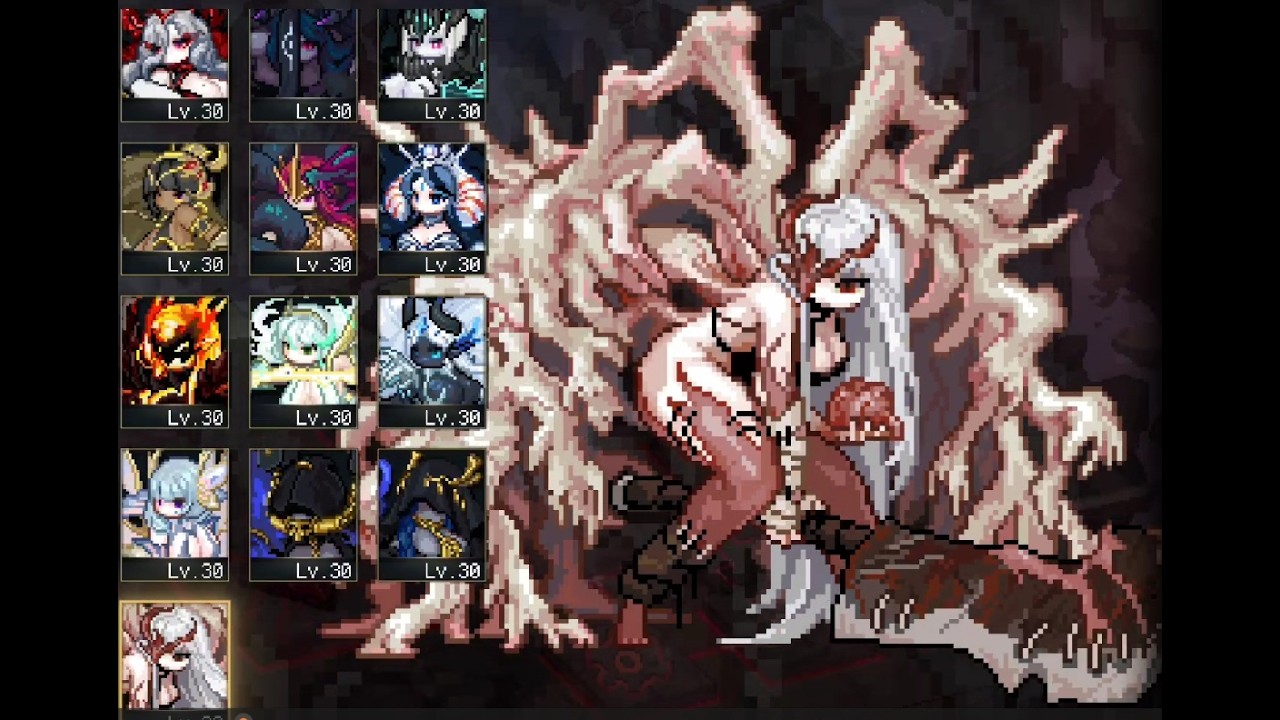
In Dungeon Within, Tier 6 and Tier 7 monsters form the tactical core required to bridge early wave clearing and end-game defense. Tier 6 units focus on entrance crowd control, target stalling, and defense reduction. Tier 7 units supply primary wave-clearing burst, sustained boss holding, and lane endurance.
To stabilize trial runs, position Tier 6 crowd-control and debuff units in frontline entrance corridors, followed immediately by Tier 7 burst carries and defensive anchors in subsequent chambers.
Tier 6 Monster Roster: Crowd Control and Debuffs
Tier 6 defenders prevent enemy strike teams, paladins, and mages from overrunning dungeon chokepoints. Their primary function is stripping enemy stats and locking down invaders so that subsequent trap rooms and damage dealers can secure eliminations.
| Monster | Combat Role | Key Skill or Trait | Room Placement |
|---|---|---|---|
| Cockatrice | Crowd Control / Stun | Petrification Gaze | Entrance chokepoints |
| Basilisk | Debuff / Movement Slow | Slowing Gaze and stacking toxins | Secondary corridor traps |
| Banshee | Magic Defense Shred | Terror Screech and magic debuffs | Mid-dungeon spell rooms |
| Dullahan | Frontline Tank / Cleave | Heavy armor and sweeping strikes | Frontline defense rooms |
| Chimera | Hybrid Brawler / Element | Multi-element breath and cleave attacks | Flanking and interception tiles |
Pairing Cockatrice with Basilisk at high-traffic entry points stops elite hero charges immediately. Cockatrice applies hard stuns, while Basilisk applies poison stacks and movement slows to hold targets in place. For magic-focused combat rooms, place Banshee ahead of spellcasters to strip enemy magic defense with her terror screech.
Tier 7 Monster Roster: Carries and Defensive Anchors
Tier 7 units act as primary carries capable of dismantling clustered adventurers and absorbing heavy boss damage.
- Pegasus (Aerial Burst Carry): Initiates with Meteor Kick, diving directly into hero clusters to knock back frontline units while eliminating backline clerics and archers. Use Pegasus in speed-clearing rooms to disrupt enemy healing rotations before they activate.
- Night Walker (Single-Target Assassin): Uses shadow concealment to slip past frontline blockers and eliminate enemy champions and high-threat casters from behind.
- Behemoth (Physical Anchor): Possesses the highest baseline durability in this tier. Generates ground shockwaves that stagger incoming waves. Station Behemoth in the chamber immediately preceding the Dark Lord to halt surviving bosses.
- Cerberus (Attrition and Damage Over Time): Delivers multi-head bite attacks that apply stacking burns, making it effective against heavily armored paladins over extended engagements.
- Vampire Lord (Self-Sustaining Bruiser): Uses innate lifesteal and drain passives to sustain health independently, making him ideal for isolated side rooms without support monsters.
Room Sequencing and Dark Lord Synergies
Chamber layouts should be organized sequentially so incoming adventurers encounter Tier 6 disruption before reaching Tier 7 damage dealers:
- Entrance Corridor: Deploy Banshee and Basilisk to slow enemy movement speed and shred incoming magic resistance.
- Burst Chamber: Position Pegasus or Night Walker immediately following the debuff corridor to burst down weakened heroes lacking defensive buffs.
- Anchor Chamber: Place Behemoth and Dullahan directly before the Dark Lord room to absorb residual pressure and stagger bosses.
Align your roster choices with your selected Dark Lord's command authority:
- Rhea and Ostea (Physical and Armor Buffs): Pair with Behemoth and Dullahan. Ostea's defensive scaling magnifies Behemoth's health pool, allowing frontline rooms to endure prolonged sieges.
- Desponia and Aura (Swarm and Affliction Focus): Pair with Basilisk and Cockatrice. Their petrification and toxin slows pin heroes in place while summoned minion swarms wear them down.
Safe Fusion and Inheritance Rules
Synthesizing Tier 6 and Tier 7 monsters requires intermediate materials from Tier 4 and Tier 5 stock, such as Orc Warriors, Harpies, and Ghouls. Follow these rules to avoid room collapses during fusion cycles:
- Keep Active Backups: Never fuse your only active frontline defender. Always keep duplicate defenders stationed in active rooms until the higher-tier replacement is fully synthesized and deployed.
- Prioritize Defensive Inheritance: When executing Tier 6 and Tier 7 merges, prioritize passing down status resistance, crowd-control amplification, and damage-reduction traits from the parent units.
- Conserve Materials: Avoid fusing prematurely without sufficient gold and intermediate stock, as failing to field complete room squads leaves corridors open to immediate failure against scheduled hero waves.

Free Dungeon Within Codes
Current active codes and how to redeem them.

Emily Johnson
Emily writes practical mobile strategy guides with a focus on resource planning, base progression, and the early decisions that shape a long-term account.
COMMUNITY
Player Comments
94 players commented on this guide.
This saved me time in the early game.
Can you add more details about strategy in a future update?
Nice guide. I am checking the other Dungeon Within articles next.
The tips are practical and easy to follow.