
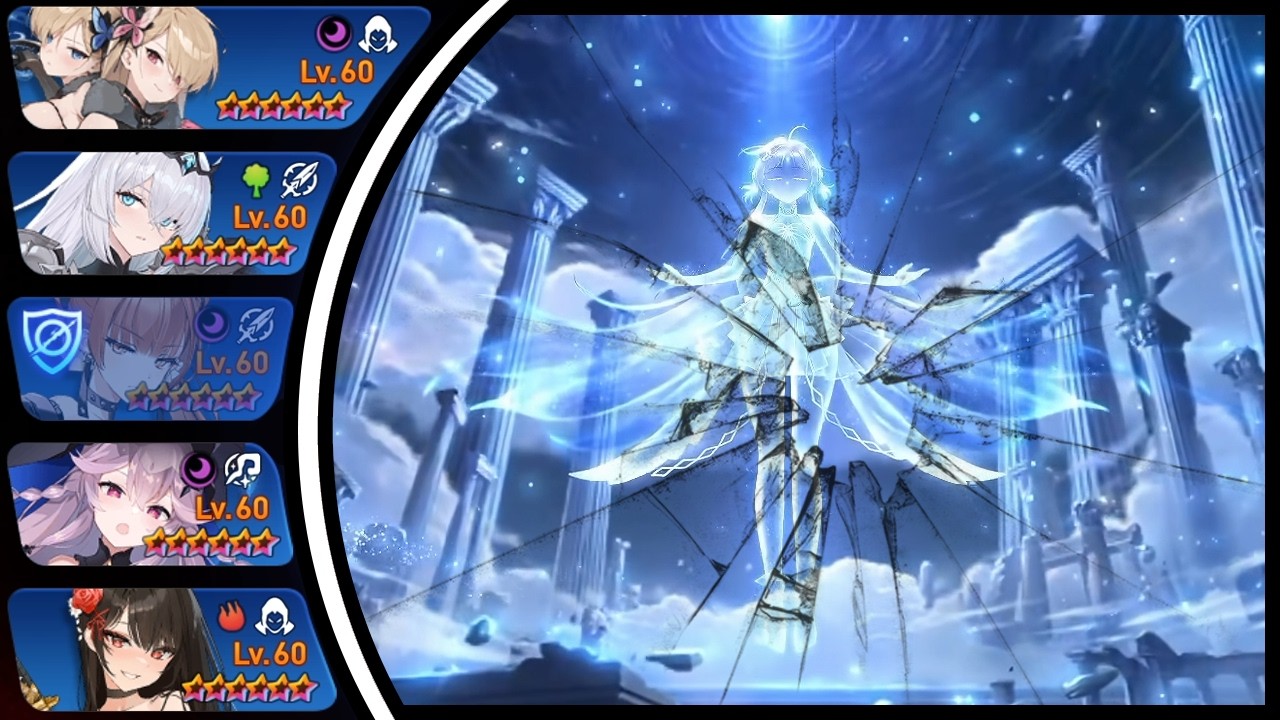
In Epic Seven, the World Arena (RTA) is where the true depth of the game’s turn-based combat shines. Moving beyond the "endless cycle" of losses requires a fundamental shift from rigid team building to a reactive, analytical drafting mindset. Success in high-level RTA isn’t just about having the most powerful units; it is about recognizing your opponent’s win condition early and dismantling it with precise, tactical choices.
Understanding the Drafting Philosophy in Epic Seven
The draft phase is the most critical part of any Epic Seven match. If you enter the draft with a pre-set team in mind, you are already at a disadvantage. Instead, view your draft as an evolving puzzle. You must identify the "anchor" of your opponent’s team—the unit that enables their primary strategy—and decide whether to neutralize it through drafting or reserve your ban for it.
The Reactive Mindset
A reactive drafter avoids committing to a specific archetype (like pure Cleave or pure Turtle) until the final two picks. By selecting versatile units that provide utility, damage, and survivability, you keep your opponent guessing. If you show your hand too early—by picking a dedicated opener like Ran or Zio—you allow the opponent to draft "anti-cleave" units like Politis or Celine, effectively stifling your momentum before the match begins.
Identifying and Neutralizing Core Meta Threats
The current Epic Seven meta is defined by units that provide massive swing potential. To outplay these compositions, you must recognize common archetypes:
- The Speed Cleave: Relies on high-speed openers to debuff or wipe your team. Counter: Draft units with passive damage mitigation (Aurius holders, damage-share artifacts) or units that punish non-attack skills (e.g., Politis, Celine).
- The Control/Stall Comp: Focuses on cycling turns to keep your team stunned or silenced. Counter: Prioritize high-effect resistance units, cleansers (like Handguy or Destina), or units that grant immunity.
- The Follow-up/Dual Attack Comp: Relies on synergy between units that trigger extra attacks. Counter: Bring units that punish extra turns or counter-attack when hit (e.g., Belian, Senya).
Leveraging Counter-Pick Units for Synergy Disruption
Counter-picking is the art of selecting a unit whose kit fundamentally breaks the enemy's logic. In Epic Seven, this often involves units with specialized passives.
Tactical Selection Steps
- Analyze the Synergy: If the opponent drafts a team built on follow-up attacks, pick units that punish extra turns.
- Identify the Win Condition: Does the opponent need a specific buff (like Attack Up or Immunity) to function? Draft a stripper or a unit that can steal/invert those buffs.
- Force the Ban: Select a "must-ban" unit in your final two picks. If you force the opponent to ban a unit that would have otherwise dismantled their entire team, you have effectively gained an advantage before the first turn.
Balancing Aggression and Defensive Sustainability
One of the most common mistakes players make in Epic Seven RTA is drafting exclusively for damage. Without sustainability, your damage dealers become glass cannons that fall to a single counter-attack or reflect damage.
- The Anchor Support: Always aim for at least one dedicated healer or damage-mitigation support. Units that provide "Damage Sharing" (like Arowell or Yulha) are invaluable for protecting your core damage dealers from being one-shot.
- The Aggressive Pivot: If you lack healing, you must pivot to a "Control-Aggro" style. This means drafting units that provide speed reduction, stun, or silence. If the opponent cannot take a turn, they do not need to be healed.
Mastering the Ban Phase
The final ban phase is your ultimate strategic gatekeeper. A common trap is banning the most "popular" unit rather than the one that threatens your specific team.
- When to Ban the Cleaver: If your team is fragile and designed for long-term sustain, always ban the opponent’s highest burst-damage dealer.
- When to Ban the Cleanser: If you are running a debuff-heavy team (Control), you must remove the opponent's primary cleanser. If you fail to do so, your strategy will be rendered useless the moment the opponent takes their first turn.
- The "Hidden Synergy" Check: Always look at the opponent's artifacts. A unit might not look scary, but if they are equipped with a game-changing artifact (like Proof of Valor or Guiding Light), they might be the true threat to your victory.
Common Drafting Mistakes to Avoid
- Panic-Picking: Never pick a unit just because it is high-tier in the current meta. If it doesn't fit your current draft's synergy, it is a wasted slot.
- Ignoring Turn Order: Be mindful of your team's speed tuning. Drafting units with conflicting speed requirements can lead to your team losing its momentum or failing to land crucial debuffs in the correct order.
- Over-committing to One Element: While element advantage matters, relying too heavily on one element makes you vulnerable to "counter-element" picks. Maintain a diverse elemental spread to ensure you aren't walled by a single defensive unit.
Strategic Conclusion: Evolving Your Game
Breaking the cycle in Epic Seven is about discipline. You will encounter matches where the opponent has a "perfect" draft, and in those moments, your ability to identify the one weak link in their composition—and exploit it—will define your success.
Remember: your draft is never perfect. Every match is an exercise in damage control and opportunity recognition. Focus on your own win condition, remain flexible in the face of counter-picks, and always evaluate the board state before locking in your final ban. By mastering the synergy between your units and constantly adapting to the meta, you will move from reacting to your opponents to dictating the flow of the battle.

Free Epic Seven Codes
Current active codes and how to redeem them.

Emily Johnson
Emily writes practical mobile strategy guides with a focus on resource planning, base progression, and the early decisions that shape a long-term account.
COMMUNITY
Player Comments
24 players commented on this guide.
The explanation is clear, especially for beginners.
This saved me time in the early game.
I wish I had read this before upgrading the wrong thing.
Good guide for Epic Seven players. The strategy part was useful.