
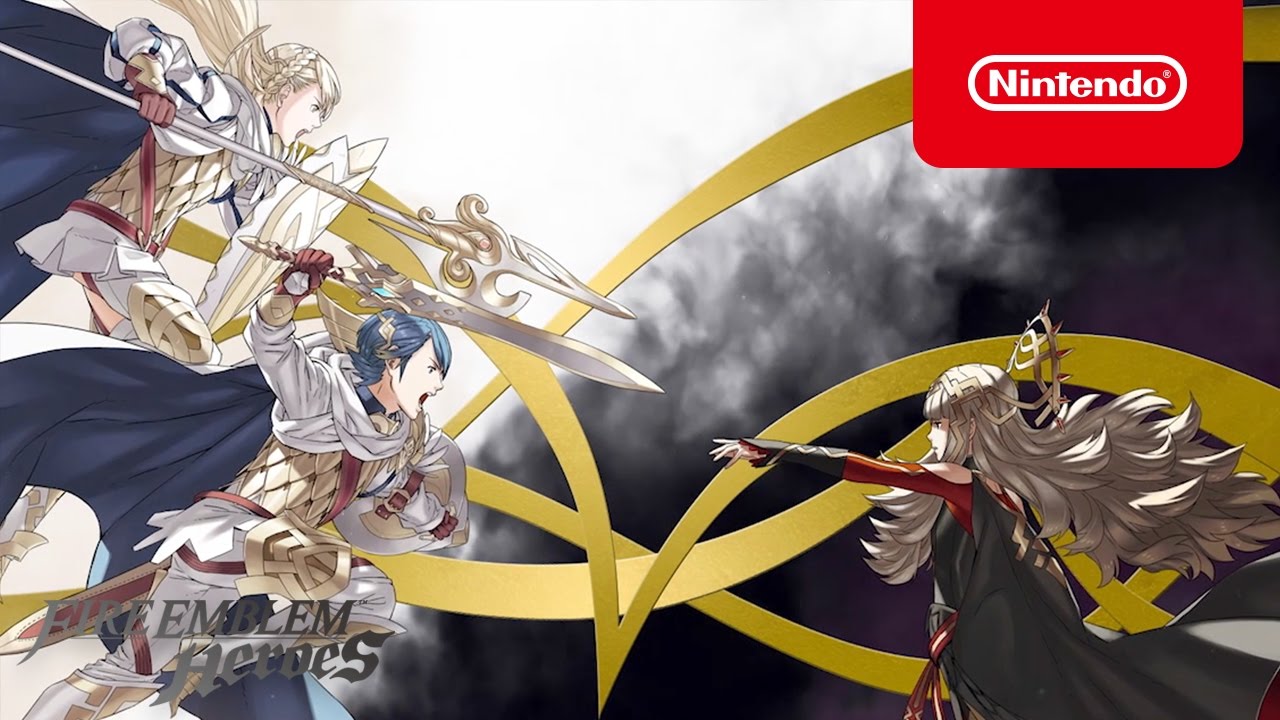
Fire Emblem Heroes is a deep, turn-based strategy RPG that rewards tactical foresight over brute force. Whether you are navigating the intricate original story or tackling high-difficulty special events, success hinges on your ability to read the battlefield and manage your roster’s potential. This guide provides the essential framework for building a top-tier squad and mastering the core systems that define the Fire Emblem Heroes experience.
Mastering the Weapon Triangle: Your First Tactical Advantage
The Weapon Triangle is the bedrock of Fire Emblem Heroes combat. Understanding these relationships is non-negotiable; ignoring them will lead to unnecessary losses, while exploiting them can turn a difficult map into a routine victory.
- Red (Sword): Strong against Green (Axe), weak against Blue (Lance).
- Blue (Lance): Strong against Red (Sword), weak against Green (Axe).
- Green (Axe): Strong against Blue (Lance), weak against Red (Sword).
- Colorless (Bow, Dagger, Staff, Beast/Dragon): These units operate outside the standard triangle. They typically deal neutral damage but often possess unique utility—such as healing, debuffing, or range—that makes them essential for team balance.
Expert Insight: Always check the enemy’s color before engaging. A unit with a triangle disadvantage receives a -20% penalty to their Attack stat, while the unit with the advantage gains a +20% bonus. When in doubt, prioritize "Triangle Adept" matchups to secure kills safely.
Strategic Positioning and Threat Management
In Fire Emblem Heroes, the grid is your playground, but it is also a trap. Before you move, you must evaluate the "Danger Area." By tapping the red icon at the bottom of the screen, you can see exactly which tiles enemy units can reach on their turn.
- Protect the Fragile: High-damage units like mages or archers are often "glass cannons." Position your high-defense tanks (usually armored or cavalry units) at the front to draw enemy fire.
- Baiting Mechanics: You can manipulate enemy AI by placing a unit within their reach that they want to attack. If you place a blue unit in range of a red attacker, the red unit will almost always prioritize that target. Use this to lure enemies out of fortified positions.
- Formation Tactics: Avoid clustering your units if the enemy has area-of-effect (AOE) attacks. Conversely, keep your units within range of "Drive" or "Hone" buffs provided by nearby allies to maximize your offensive potential.
Building a Balanced Roster
Summoning heroes with Orbs is the primary way to grow, but a large roster is useless without synergy. Do not fall into the trap of only leveling your favorite characters; you need a versatile toolkit.
The Four-Pillar Squad Composition:
- The Tank: A unit with high Defense or Resistance to act as a wall.
- The Physical Striker: A hard-hitting unit (usually red or blue) to handle enemy frontline threats.
- The Magical Striker: Essential for dealing with high-Defense armored units.
- The Support/Healer: A unit capable of healing HP or providing movement buffs (like "Dance" or "Sing").
Decision-Making Tip: Before investing feathers or skills into a hero, check their "Boons" and "Banes" (Asset/Flaw system). A hero with an Asset in their primary offensive stat will perform significantly better in the long run than one with a Flaw in that same area.
Utilizing Skills and Special Attacks
The difference between a mid-game player and a veteran is the mastery of Skill inheritance and Special timing.
- Special Attacks: These have cooldowns. High-cooldown Specials (3-5 turns) are devastating but rarely trigger; low-cooldown Specials (1-2 turns) are often more consistent. Match your Special to your unit’s role—"Moonbow" is excellent for quick, frequent damage, while "Aether" is perfect for sustaining your tank.
- Passive Skills: Never overlook A, B, and C slot skills. Skills that grant "Null Follow-Up" or "Distant Counter" can completely change a hero’s viability.
- Inheritance Strategy: When inheriting skills, remember that the target hero will lose their existing skill in that slot. Always verify that the hero’s base stats complement the new skill you are giving them.
Resource Management: Feathers, Orbs, and Experience
Progression in Fire Emblem Heroes requires disciplined resource management.
- Feathers: These are used to increase a unit's Star rarity. Only spend feathers on units you intend to merge or use in long-term competitive modes like the Arena.
- Orbs: Save your Orbs for "Legendary" or "Mythic" banners. These banners offer higher 5-star appearance rates, making them the most efficient way to bolster your roster.
- Leveling: Use the "Special Training" maps. These maps offer high-experience enemies that are perfectly suited for power-leveling new recruits without risking your main team’s stamina in story chapters.
Common Mistakes to Avoid
- Over-extending: Moving a unit into danger just to get a kill often leaves them vulnerable to the rest of the enemy team. If you cannot retreat or protect the unit after the attack, don't take the shot.
- Ignoring Buffs: Many players forget that passive C-slot skills or "Rally" commands can provide the extra damage needed to secure a one-hit KO. Always check your buffs before attacking.
- Neglecting Merges: If you have multiple copies of the same hero, merging them increases their stats. However, always check if the hero has "Inheritable Skills" that might be more valuable to give to another unit before you merge them away.
By applying these strategies, you will transition from a novice commander to a tactical mastermind. Focus on team synergy, respect the weapon triangle, and manage your resources with patience, and you will find that no map in Fire Emblem Heroes is insurmountable.

Free Fire Emblem Heroes Codes
Current active codes and how to redeem them.

James Brown
James focuses on Android gaming on PC, emulator setup, controls, performance tuning, and practical troubleshooting for longer play sessions.
COMMUNITY
Player Comments
135 players commented on this guide.
Can you add more details about resources in a future update?
This guide answered the exact question I had.
Nice guide. I am checking the other Fire Emblem Heroes articles next.
Good guide for Fire Emblem Heroes players. The resources part was useful.