
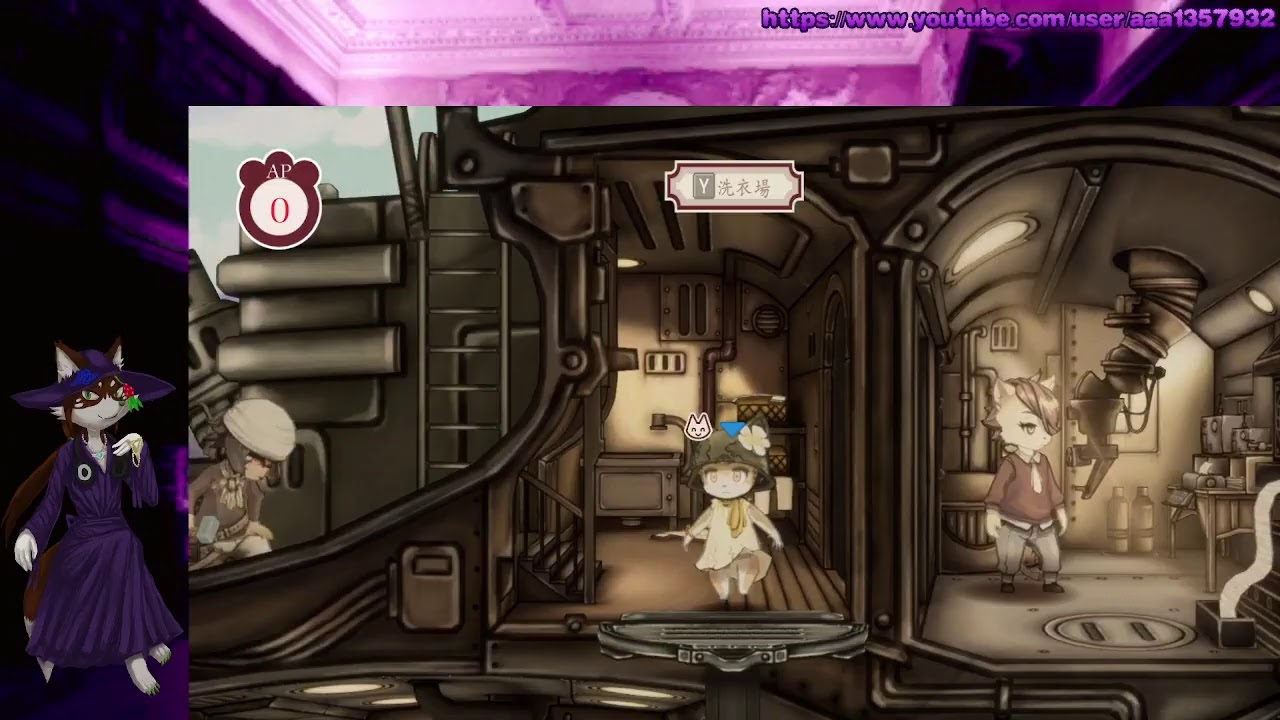
In Fuga: Melodies of Steel, the Taranis is more than just a tank; it is a complex tactical system where the crew is your most vital resource. Success in the game’s grueling battles depends on your ability to manage the children’s positions, emotional states, and interpersonal relationships. Because each child brings unique skills and distinct weapon affinities to the table, a static lineup will eventually lead to failure as the difficulty spikes. To survive the journey, you must treat the Taranis interior as a fluid tactical board that requires constant adjustment.
Mastering Active Combat Station Assignments
Every child in Fuga: Melodies of Steel is specialized for specific weapons: the Machine Gun (MG), Grenade Launcher (GL), and Cannon. Placing a child in their preferred turret is not merely a bonus—it is a requirement for maintaining high damage output.
- Weapon Affinity: When a child operates their preferred weapon, they gain accuracy and damage bonuses. Ignoring these affinities forces you to rely on luck, which is a luxury you cannot afford against high-armor boss units.
- Turn Manipulation: Some characters possess special skills that can delay an enemy’s turn or increase your own turn speed. Pay close attention to these "Turn Delay" or "Speed Boost" skills, as they allow you to interrupt enemy attack strings, effectively neutralizing threats before they can deal damage to the Taranis.
- Skill Usage: Use active skills sparingly. While they can turn the tide of a battle, they also consume SP. Always assess whether a basic attack will suffice before spending resources on a character’s special ability.
Managing Crew Fatigue and Morale
Combat is an exhausting process for the children. As they participate in battles, their fatigue level increases. A fatigued child performs significantly worse in combat, suffering from reduced accuracy and lower efficacy of their skills.
- Strategic Rotation: Do not wait for a character to become "Exhausted." Cycle them into the support bay before they hit critical fatigue levels.
- Support Bay Recovery: The Support Bay isn't just for backup; it’s a cooldown zone. Placing a tired child here allows them to recover fatigue while providing passive bonuses to the child currently operating the turret.
- Morale Management: High-stress battles can lead to negative emotional states, which may cause a child to panic or refuse orders. Use intermissions (the rest periods between chapters) to have children interact. Building their affinity levels not only prevents stress-related issues but also unlocks powerful "Link Attacks," which are essential for dealing massive damage to late-game bosses.
Leveraging Support Bay Synergy
The support bay is the cornerstone of your defensive and offensive synergy. When a child is in the support bay, they provide a "Support Effect" to the child operating the turret.
- Synergy Pairing: Always pair children based on their compatibility. For example, pairing a child with high defensive stats in the support bay can bolster the evasion or armor of the attacker in the turret.
- Elemental Coverage: Use the support bay to cover your active attacker's weaknesses. If your main cannon operator is weak against aerial units, place a support child who specializes in anti-air damage to ensure you have a fallback option.
- Resource Conservation: By optimizing these pairings, you minimize the need for repair kits and healing items. A well-synergized crew is far more self-sufficient than a team that relies solely on items for survival.
The Forbidden Weapon: The Soul Cannon
The Taranis houses the "Soul Cannon," a forbidden weapon of immense power. While it is tempting to use this to instantly win a difficult boss fight, it comes with the ultimate cost: the life of one of your crew members.
- Tactical Last Resort: The Soul Cannon should be your absolute final option. Its usage permanently removes a child from your crew, which creates a ripple effect: you lose their unique skills, their relationship bonuses, and their support utility for the remainder of the game.
- The Emotional Cost: Beyond the mechanical loss, the emotional impact on the remaining children is severe. Their morale will plummet, making them harder to manage in future battles. Only sacrifice a child if the alternative is the destruction of the Taranis and the end of your run.
Adapting to Changing Combat Requirements
The enemies in Fuga: Melodies of Steel become increasingly resistant and aggressive as you advance. You must adapt your crew composition at the start of every major engagement.
- Scout Ahead: Use the map information to identify enemy types. If you see armored infantry, prioritize high-penetration cannon users. If you see fast-moving aerial targets, prioritize high-accuracy machine gunners.
- Iterative Refinement: If a specific character is consistently underperforming, identify why. Is it their fatigue? Is it a lack of synergy with their current support? Move them to a different station or pair them with a different partner.
- Relationship Building: Treat your interpersonal connections as a long-term investment. The "Link" system provides critical offensive boosts that bypass standard damage reduction. Prioritizing the relationships of your most-used combatants is the single best strategy for ensuring you have the firepower to handle the final chapters.
By viewing the Taranis not just as a tank, but as a living unit composed of individual children, you will find that managing their fatigue, affinities, and placements becomes second nature. Constant, proactive micro-management is the difference between a crew that crumbles under pressure and one that overcomes every obstacle to see the journey to its end.

Free Fuga: Melodies of Steel Codes
Current active codes and how to redeem them.

Emily Johnson
Emily writes practical mobile strategy guides with a focus on resource planning, base progression, and the early decisions that shape a long-term account.
COMMUNITY
Player Comments
103 players commented on this guide.
Good guide for Fuga: Melodies of Steel players. The strategy part was useful.
Nice guide. I am checking the other Fuga: Melodies of Steel articles next.
This helped me understand strategy much better.
This saved me time in the early game.