
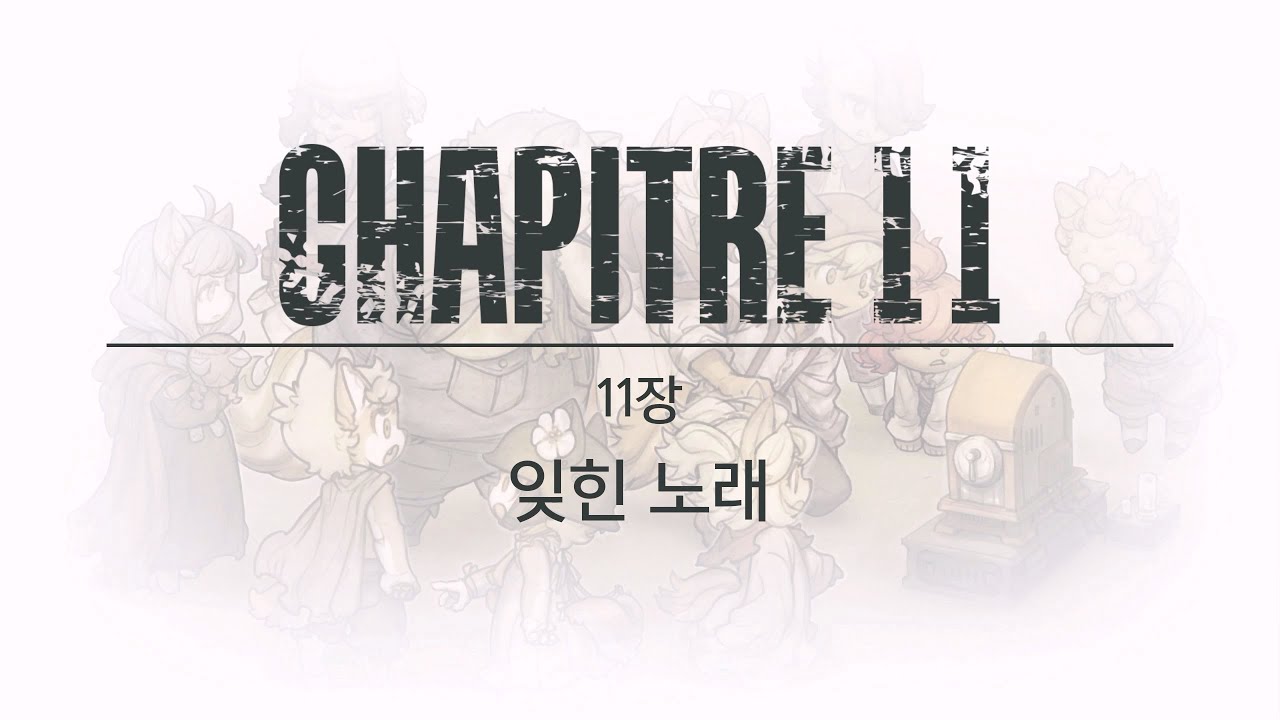
In Fuga: Melodies of Steel, Chapter 11, "The Forgotten Song," serves as a definitive turning point where the game shifts from mid-game experimentation to high-stakes tactical execution. The chapter demands a balance between resource preservation and aggressive combat management. To succeed, you must master the art of the intermission phase, optimize your children's affinity levels for combat synergy, and prepare the Taranis for a boss fight that punishes hesitation. This guide provides the strategic framework required to navigate the "Forgotten Song" and emerge with your crew—and the Taranis—intact.
Strategic Intermission Management in Chapter 11
The intermission phase in Chapter 11 is your most valuable tool for controlling the variables of the upcoming combat. You are not just resting; you are setting the stage for the entire chapter's difficulty curve. Because late-game encounters in Fuga: Melodies of Steel feature enemies with higher HP pools and increased damage thresholds, your preparation must be surgical.
Prioritizing Interpersonal Rapport
The link levels between your children are the backbone of your combat efficiency. Higher affinity levels unlock devastating Link Attacks and passive bonuses like faster turn cooldowns. During this intermission, prioritize pairing characters who have high-frequency combat roles. If you have children with low affinity, use the intermission to focus on rapport-building activities. The combat bonuses from high affinity—such as increased accuracy or critical hit rates—are often the deciding factor in whether you can wipe a group of enemies before they launch a counter-attack.
Targeted Resource Allocation
Scrap is a finite resource. Before proceeding, audit your Taranis upgrades. By Chapter 11, you should prioritize:
- Main Cannon Power: Essential for bursting down boss phases.
- Turret Durability: Reduces the likelihood of combat downtime due to repairs.
- SP Recovery: Any upgrade that increases SP generation during turns is vital for sustaining your skill rotation during the boss fight.
Maintaining Crew Morale
Do not ignore cooking and facility maintenance. Using high-tier ingredients to boost morale is not a luxury; it is a defensive strategy. A child with high mood is less likely to suffer from negative status effects, and maintaining high morale ensures you have access to their best skills when the boss encounter begins.
Combat Efficiency and Tactical Pacing
The journey through Chapter 11 involves a significant spike in enemy resilience. To maintain momentum, you must shift your mindset from "damage-first" to "turn-management."
The Art of the Delay
The most powerful tool in your arsenal is the ability to manipulate the turn order. If an enemy unit displays a high-damage attack icon, prioritize skills that apply "Delay." By pushing an enemy back in the turn queue, you gain precious rounds to focus fire on them without absorbing incoming damage. In the "Forgotten Song" section, avoid trading blows. Instead, aim to disable or defeat high-threat targets before they can act.
Armor Shredding and Weakness Exploitation
As you progress, enemy armor values will increase. If your attacks are only dealing "scratch" damage, you are wasting turns. Utilize armor-shredding skills early in the encounter to expose the enemy’s HP. Once the armor is stripped, cycle through your weapon types to exploit elemental weaknesses. This synergy is what separates a long, exhausting battle from a clean, efficient victory.
Conquering the Chapter 11 Boss Battle
The boss of Chapter 11 is a significant wall for many players. This encounter is a test of your SP management and your ability to maintain a consistent damage rotation.
1. Preparation is Everything
Ensure your SP pool is topped off before the final encounter. Enter the fight with your strongest crew members in the turret slots. If a character is currently suffering from low mood, swap them out before the fight, even if their skill set is slightly inferior. The risk of a "Depressed" or "Panic" status during a boss fight can lead to catastrophic combat errors.
2. Defensive Buffing
The boss will often open with a high-damage volley. Do not save your defensive skills for the "middle" of the fight. Use your defensive buffs immediately to mitigate the initial burst. This buys you time to stabilize your SP generation and begin your offensive cycle.
3. Cycle Your Skills
Success in this fight relies on a rhythmic rotation:
- Phase 1: Focus on armor reduction and chip damage.
- Phase 2: Once the boss is exposed, unleash your high-SP skills.
- Phase 3: If the boss enters a "charging" state, use your most powerful attacks to break their stance or finish the fight before their final super-attack hits the Taranis.
Balancing Risks: Navigating the Chapter Path
The route you choose in Chapter 11 is a calculated gamble. You will encounter "Dangerous" nodes that offer significant scrap and experience, but they come at the cost of your crew's well-being.
- The Case for Safety: If your Taranis is low on HP or your crew is suffering from exhaustion, choose the safer path. The rewards from a "Dangerous" node are meaningless if you lose a crew member or enter the boss fight with a broken tank.
- The Case for Greed: If you are running low on scrap for vital Taranis upgrades, a "Dangerous" path might be necessary. However, only take this route if you have a clear plan for healing and repair before the boss encounter.
Common Mistakes to Avoid
- Hoarding SP: Many players wait for the "perfect" moment to use skills, only to get hit by massive damage. Use your skills early to control the battlefield.
- Neglecting Repair: Never let your Taranis HP drop to a critical state before initiating a repair. The action economy is better if you repair early and often.
- Ignoring Affinity: Treating children as interchangeable "gunners" is a mistake. Match their unique traits to the gunnery roles they are best suited for, and keep them bonded.
By focusing on these tactical pillars, you can navigate the complexities of Chapter 11 with confidence. Fuga: Melodies of Steel rewards those who plan ahead and treat their crew's emotional health as a vital combat resource. Remember: the Taranis is strong, but the children inside are the true engine of your victory. Use the "Forgotten Song" intermission to solidify those bonds, and you will find the boss encounter far more manageable.

Free Fuga: Melodies of Steel Codes
Current active codes and how to redeem them.

Sarah Williams
Sarah specializes in RPG and collection games, explaining team building, character growth, and beginner-friendly ways to avoid expensive early mistakes.
COMMUNITY
Player Comments
135 players commented on this guide.
The explanation is clear, especially for beginners.
This guide answered the exact question I had.
I tried this today and it worked better than my old setup.
Good guide for Fuga: Melodies of Steel players. The resources part was useful.