
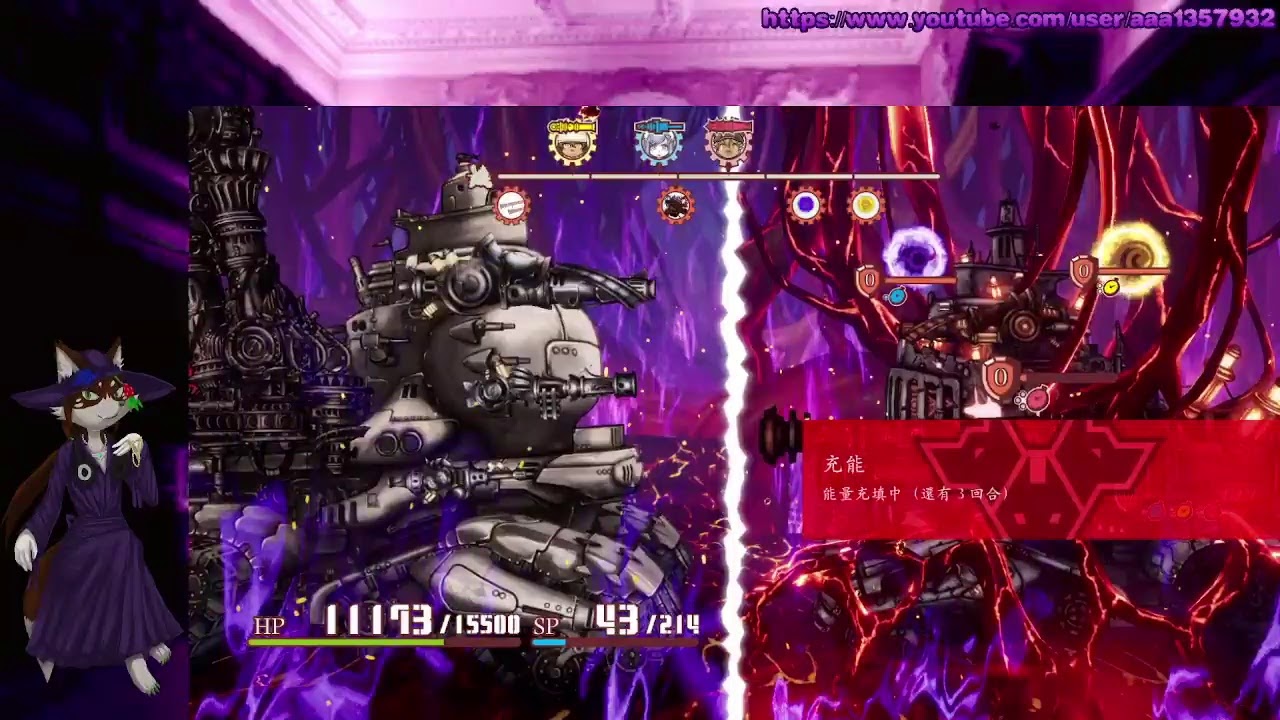
To dominate the battlefield in Fuga: Melodies of Steel, you must move beyond basic attacks and focus on manipulating the combat timeline. Survival in this tactical RPG isn't just about raw damage output; it is about controlling the flow of battle. By understanding how weapon types interact with enemy weaknesses and how specific character placements influence the turn order, you can prevent enemies from ever getting a chance to fire back at your tank, the Taranis.
This guide provides the expert-level strategies needed to manage the combat queue, minimize damage, and maintain a tactical advantage throughout your journey.
Understanding the Combat Queue and Action Delay
The combat queue at the top of your screen is the most important UI element in Fuga: Melodies of Steel. It dictates exactly when your characters and the enemy units will act. Every action you take—whether attacking, using a skill, or switching positions—consumes time and moves your icon further down the line.
The "Action Delay" mechanic is your primary defensive tool. When you attack an enemy with a weapon type they are weak against, you don't just deal bonus damage; you "delay" their action, pushing their icon further back in the turn order.
Why this matters:
- Turn Denial: By chaining delays, you can effectively lock an enemy out of the fight entirely.
- Damage Mitigation: If an enemy never acts, the Taranis takes zero damage.
- Predictability: A well-managed queue allows you to plan multiple turns ahead, ensuring you have the right child at the right turret when a heavy-hitter approaches.
Weapon Affinities: The Key to Control
Each of the three main weapon systems on the Taranis—the Machine Gun, the Grenade Launcher, and the Cannon—interacts differently with enemy armor. You must identify which weapon type is required to break an enemy’s guard (indicated by the small icons above their health bar).
- Machine Guns (Rapid Fire): These are your primary "control" weapons. Because they strike multiple times, they are excellent for breaking the guards of enemies with high-count shield requirements. Use these to trigger minor delays early in the turn.
- Grenade Launchers (Tactical Impact): These offer the best balance between damage and delay. They are perfect for mid-range enemies and are often the most reliable way to push a dangerous unit deep into the turn queue.
- Cannons (Heavy Artillery): These deal significant damage but often have less "delay" utility. Save these for when an enemy is already staggered or when you need to finish off a target that is about to act.
Strategic Character Placement and Affinity
In Fuga: Melodies of Steel, the children you place at each turret are not interchangeable. Each child possesses unique skills and affinity bonuses. A child’s affinity with a specific weapon type determines their damage output and, crucially, their ability to apply more effective delays.
When assigning children:
- Prioritize Synergies: Pair children with high affinity for a specific weapon type to that turret. This maximizes the delay potential of every shot.
- Monitor Skill Costs: Some children have skills that can reset or speed up their own turn. Use these to "insert" an extra action into the queue if you notice an enemy is about to act.
- Switching Mid-Combat: Do not be afraid to move children during combat. If a specific child's unique skill (like an attack buff or a delay-focused ability) is needed to clear a threat, the cost of the turn spent switching is usually worth the tactical advantage gained.
Prioritizing Targets: Who to Hit First?
Not every enemy in the queue is an equal threat. To maintain control, you must prioritize targets based on their position in the timeline rather than their current health.
- The "Front-Line" Rule: If an enemy is at the very front of the queue, they are your priority. Even if they are a weak grunt, killing them or delaying them provides you with a "safe" turn to focus on stronger enemies.
- Threat Assessment: Identify enemies with high damage potential. If a "boss" or a heavy artillery unit is two turns away, ignore the minor enemies and use your current turn to apply a massive delay to the heavy hitter.
- Chain Timing: If you have multiple characters acting in succession, use the first character to break a guard, and the subsequent characters to execute high-damage moves. This "Break and Burst" method is the most efficient way to clear waves without taking damage.
Common Mistakes and How to Avoid Them
Even experienced players can fall into traps that break their combat rhythm. Avoid these common pitfalls:
- Over-committing to Damage: Don't use a powerful Cannon shot on a near-dead enemy if a Machine Gun attack could kill them while also delaying a much larger threat waiting in the queue.
- Ignoring the "Swap" Cost: Remember that moving a child between turrets costs a turn. If you swap a child, make sure the tactical benefit (e.g., using a specific skill that breaks a guard) outweighs the lost action.
- Wasting Skills: Save your most powerful skills for "Boss" encounters or waves where you are outnumbered. Using them on basic encounters forces you to spend more time repairing the Taranis later, which wastes valuable resources.
Conclusion: The Cycle of Delay and Destroy
The secret to Fuga: Melodies of Steel is realizing that you are not just managing a tank; you are managing a timeline. By constantly assessing the enemy queue, exploiting weapon weaknesses, and prioritizing "delay" over raw damage when the situation calls for it, you can render the enemy's offensive capabilities useless.
Mastering this flow allows you to keep the Taranis in peak condition, saving your precious resources and ensuring the children reach the end of their journey safely. Always look at the queue, choose the weapon that fits the weakness, and keep the pressure on the enemy until they are completely silenced.

Free Fuga: Melodies of Steel Codes
Current active codes and how to redeem them.

James Brown
James focuses on Android gaming on PC, emulator setup, controls, performance tuning, and practical troubleshooting for longer play sessions.
COMMUNITY
Player Comments
70 players commented on this guide.
I tried this today and it worked better than my old setup.
This guide answered the exact question I had.
I wish I had read this before upgrading the wrong thing.
The tips are practical and easy to follow.