
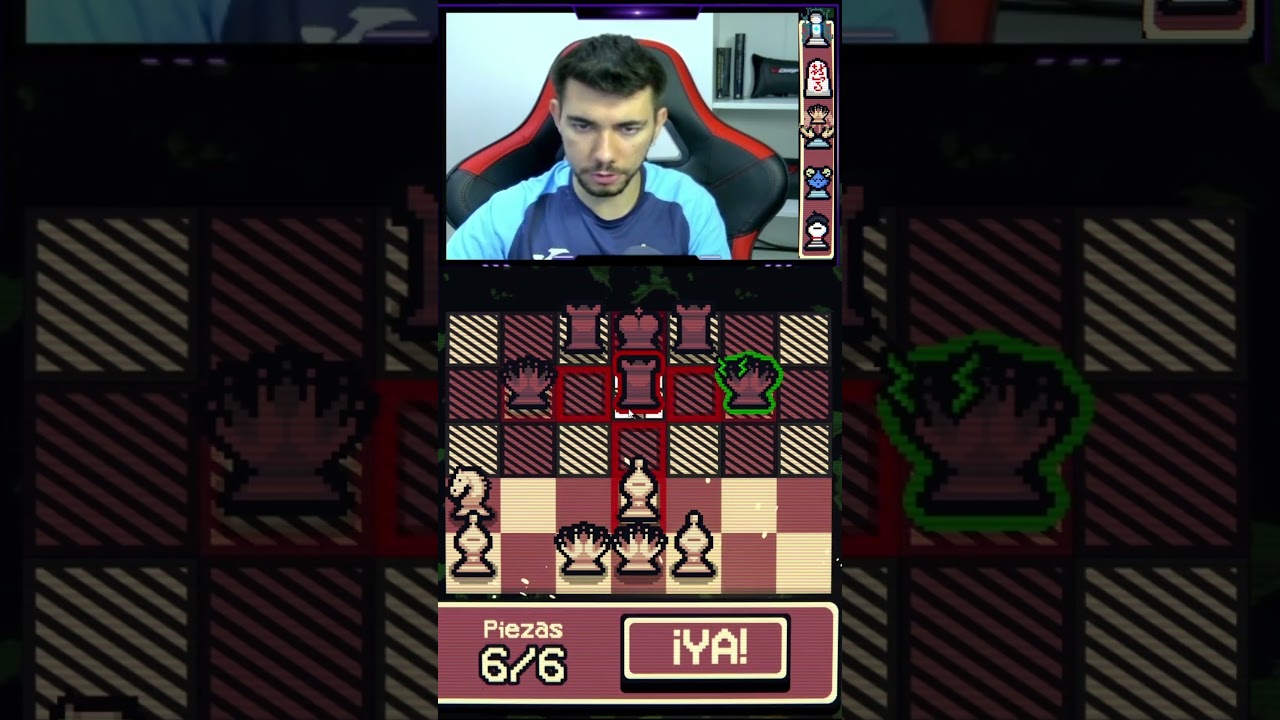
To execute an optimal board-clearing turn with bishops and the Mime Gambit in Gambonanza, clear central obstacles early, position your pieces across complementary diagonals, and wait to trigger the gambit until multiple targets align along open firing lines. This combination duplicates diagonal action triggers, allowing a single bishop maneuver to impact multiple threats across the board without consuming additional moves.
Why the Mime Gambit Empowers Bishops
Bishops feature unobstructed diagonal reach across the board, but standard play limits them strictly to a single color complex and one target interaction per turn. The Mime Gambit counters this constraint by copying piece actions and trigger effects.
When a bishop initiates a capture or activates an ability across a long sightline, the Mime Gambit repeats that effect. Because Gambonanza penalizes wasted moves, replicating actions without spending extra turns preserves your move count during difficult encounters and boss fights. A well-aligned diagonal strike thus transforms from an isolated trade into an echoing sequence that damages or removes several enemy units at once.
Step-by-Step Board Setup for Maximum Impact
Activating the Mime Gambit too early on an isolated target squanders its duplicate trigger. Prepare the board systematically using the following sequence:
- Clear central thoroughfares: Move or trade off pawns occupying the central d- and e-files early to open unobstructed diagonal corridors from corner to corner.
- Establish the bishop pair: Maintain one bishop on light squares and another on dark squares to prevent enemy pieces from resting safely on an uncovered color complex.
- Funnel targets into line: Use defensive spacing or auxiliary units to encourage incoming threats to step directly into your bishops' active sightlines.
- Trigger the copied strike: Execute the primary bishop move against the most congested diagonal, allowing the Mime Gambit to replicate the action across the rest of the lane.
Standard Bishop Play vs. Mime Gambit Scaling
The table below contrasts standard bishop mechanics with a Mime Gambit setup:
| Tactical Element | Standard Bishop Play | Mime Gambit Bishop Setup |
|---|---|---|
| Action Output | Single action per move spent | Duplicated action triggers per move spent |
| Board Reach | Limited to direct line of sight | Echoes effects across intersecting sightlines |
| Turn Efficiency | Requires multiple turns to reset lines | Clears clustered targets in a single action |
| Color Dependency | Completely locked to one square color | Requires paired bishops or auxiliary support to bridge colors |
Managing Color Complex Weaknesses
The Mime Gambit replicates actions, but it does not alter the fundamental geometry of chess. A dark-squared bishop cannot target light squares, even when its actions are copied. If enemies congregate on the opposite color complex, a solo bishop build will stall, leading to wasted moves.
To maintain coverage, avoid sacrificing either half of your bishop pair in shop or trade phases. If you lose one bishop, retain a flexible support piece—such as a knight or rook—to disrupt the opposing color complex and push targets back into your remaining bishop's line of fire.

Free Gambonanza Codes
Current active codes and how to redeem them.

Michael Smith
Michael covers live-service games, events, reward systems, and efficient daily routines, turning frequent updates into clear actions for players.
COMMUNITY
Player Comments
149 players commented on this guide.
This helped me understand strategy much better.
I tried this today and it worked better than my old setup.
Can you add more details about strategy in a future update?
The tips are practical and easy to follow.