
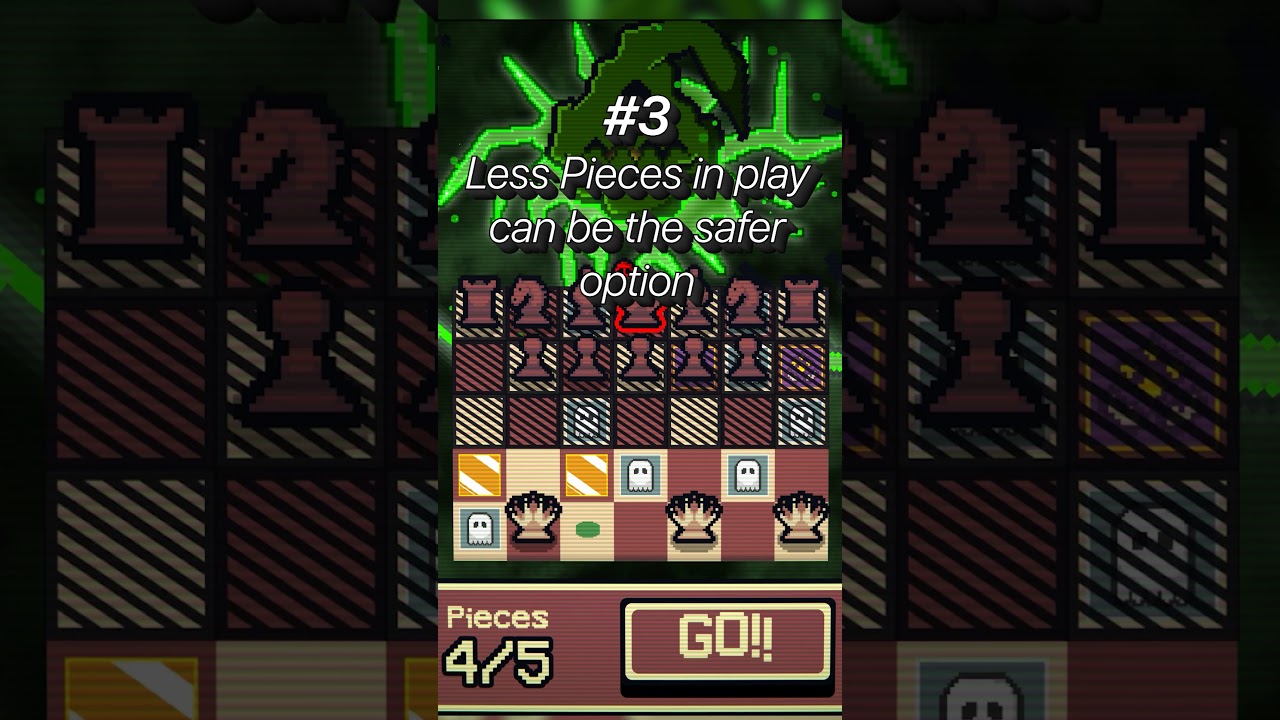
To stop losing in the opening blinds of Gambonanza, treat every turn as a scoring event rather than a traditional chess defense. Early losses happen when you waste limited moves on passive repositioning and symmetrical pawn trades that produce negligible chips. To consistently clear the score quota, target enemy officers immediately, keep open movement corridors for your long-range pieces, and spend your first shop funds on flat scoring upgrades instead of niche Gambits.
Move Economy Over Traditional Chess Defense
Conventional chess rewards patience, defensive pawn structures, and gradual positional control. Gambonanza penalizes this mindset by imposing a strict score quota backed by a finite turn budget. Spending an opening move castling, protecting an uncontested pawn, or making a cautious retreat expends a turn while adding zero score toward the blind.
Surviving early rounds requires prioritizing scoring velocity above piece preservation:
- Sacrifice for points: Trading a minor piece or pawn is advantageous whenever the capture secures the points needed to meet the blind requirement.
- Calculate yield per turn: Divide the total quota by your available moves before your first input. Any action that does not earn immediate chips or set up a multi-piece fork on the next turn drains your turn buffer.
- Ignore symmetric pawn fights: Do not mirror opposing pawn pushes across central files. Standard pawns yield minimal base chips, and spending multiple moves resolving front-line skirmishes leaves you short of turns when clearing the remaining quota.
Prioritizing High-Value Targets and Lane Mobility
Opposing backlines contain the major pieces and modifier targets that provide the score bursts necessary to clear blinds quickly. Navigating congested early boards requires using pieces that bypass frontline pawn clutter.
Knights are your primary opening tools because their jumping movement ignores blocking pawns entirely. Placing a knight on a central outpost allows you to threaten multiple high-value enemy pieces at once, creating fork opportunities that guarantee productive captures. Meanwhile, bishops and rooks require open lanes. Only advance a friendly pawn if doing so unblocks a diagonal or file, giving your long-range pieces direct lines to high-yield targets.
| Action Type | Immediate Scoring Impact | Move Efficiency | Strategic Role in Early Blinds |
|---|---|---|---|
| Major Piece Captures | High base chips and multiplier triggers | High | Primary engine for clearing quota requirements in 1–2 turns |
| Tactical Knight Maneuvers | Moderate chips with positioning | High | Leaps over pawn clutter to threaten backline targets |
| Lane-Clearing Pawn Moves | Zero immediate chips | Moderate | Acceptable only when opening long diagonals or files for officers |
| Pawn-for-Pawn Trades | Minimal base chips | Low | Wastes limited turns; avoid unless unlocking an immediate major target |
| Passive Repositioning | Zero immediate chips | Low | Depletes the move counter without generating score progression |
First Shop Strategy: Prioritize Flat Base Stats
Entering the first shop with saved gold presents a trap: investing in speculative, build-defining Gambits that require specific pieces or late-game upgrades to function. If your base point generation remains low, conditional synergies will not trigger often enough to defeat escalating blind totals.
- Buy flat chip additions first: Flat point bonuses provide an immediate scoring floor, ensuring that standard captures clear a substantial fraction of the quota.
- Pick universal multipliers: Choose multipliers that trigger reliably on regular piece captures rather than narrow tactical triggers or promotion mechanics.
- Do not reroll early: Rerolling the shop in the first few rounds drains limited currency that is better spent securing immediate numerical upgrades or piece stat boosts.
Step-by-Step Round Execution Routine
Apply this sequence at the start of every encounter to prevent unforced move exhaustion:
- Calculate point targets: Check the blind requirement and divide it by your total allotted turns to establish your minimum points per move.
- Identify scoring targets: Locate opposing knights, bishops, and rooks, prioritizing any unit carrying a multiplier modifier.
- Trace attack lanes: Check whether your knights can reach backline targets directly or if a single pawn move opens an unobstructed path for a bishop or rook.
- Execute multi-threat captures: Make captures that land your piece on a square threatening an additional high-value unit for the following turn.
- Reinvest in baseline value: Use shop visits between rounds to increase flat chips and capture multipliers before considering specialized Gambits.

Free Gambonanza Codes
Current active codes and how to redeem them.

Emily Johnson
Emily writes practical mobile strategy guides with a focus on resource planning, base progression, and the early decisions that shape a long-term account.
COMMUNITY
Player Comments
94 players commented on this guide.
Nice guide. I am checking the other Gambonanza articles next.
I tried this today and it worked better than my old setup.
This guide answered the exact question I had.
The explanation is clear, especially for beginners.