
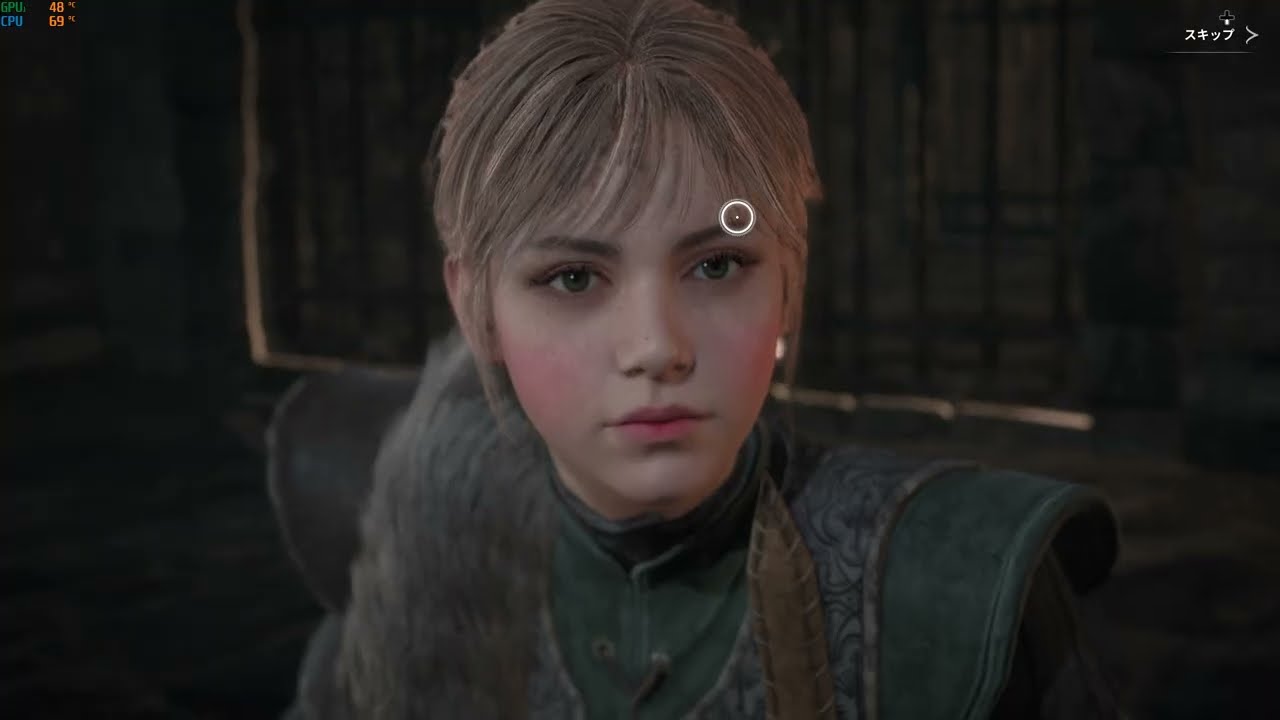
To defeat the Giant boss in Game of Thrones: Kingsroad, stay glued to the back of its ankles and dodge forward into its swings rather than retreating backward. The Giant relies on massive forward reach and sweeping arcs that reliably hit players attempting to backpedal. Positioning behind the creature neutralizes its frontal ground slams, while exploiting its sluggish recovery frames lets you deplete its break gauge safely.
Pre-Fight Preparation and Adjustments
If your character cannot withstand incidental hits or deals negligible damage, adjust your encounter settings or farm upgrades before attempting the fight again:
- Tuning Difficulty: If you are repeatedly defeated, lower the game difficulty temporarily to bypass the progression block.
- Side-Progression Detours: Farm world bounties and upgrade your equipped gear to increase your base combat power and survivability.
- Consumable Stocking: Fill quick-slots with tier-appropriate healing draughts to absorb chip damage from debris kicks.
- Stamina Management: Giant attacks require repeated evasive rolls over an extended fight. Avoid overcommitting to standard attacks so you never deplete your stamina pool completely.
Evading Sweeps and Ground Slams
The Giant's attack animations feature long telegraphs, but their hitboxes extend well past normal melee range. React according to the specific animation:
- Horizontal Arm and Club Sweeps: Never backpedal or roll away. Roll forward or diagonally inward toward the incoming swing. Your invulnerability frames allow you to pass cleanly underneath the limb and surface at the boss's side.
- Two-Handed Overhead Slam: The Giant raises both fists high above its head before smashing the earth along its central axis. This attack has no horizontal tracking once the downward swing starts. Step to the side immediately as the arms drop to clear the forward shockwave cone.
Positioning Behind the Heels
Hugging the back of the Giant's feet disables its most dangerous offensive options. Because the boss turns very slowly, standing behind its heels forces it into long repositioning animations instead of initiating frontal strikes.
- Heel Stomp Reaction: If you attack a single foot continuously, the Giant will raise that leg to stomp the ground. Hop or roll backward as the foot lifts, let the area-of-effect dust settle, and immediately close back in to resume attacking.
- Frontal Avoidance: Avoid lingering directly in front of the boss, where rapid punches, downward pounds, and straight-line shockwaves are concentrated.
Depleting the Break Gauge and Bursting
Heavy skills should be reserved for specific recovery pauses rather than used during neutral combat:
- Post-Slam Punishes: After performing an overhead smash or heavy sweeping thrust, the Giant remains stationary for several seconds. Use this recovery window to land break-focused skills to deplete the boss's break gauge.
- Stagger Phase Execution: When the break gauge empties, the Giant drops to one knee in an incapacitated state. Immediately trigger your highest-damage burst rotations, ultimate abilities, and long skill animations while it cannot counterattack.
Giant Boss vs. Bounty Combat Dynamics
Unlike fast humanoid enemies, the Giant prioritizes area denial and heavy impact rather than high-speed combos. Adjust your combat habits accordingly:
| Combat Element | Giant Boss Encounter | Flail-Wielding Bounty Target |
|---|---|---|
| Primary Defense | Forward-diagonal roll through swings | Deflecting, blocking, and tight sidesteps |
| Telegraph Profile | Long wind-ups with massive hitboxes | Quick, erratic combo chains with little startup |
| Positioning Goal | Directly behind the ankles and heels | Controlled mid-range to avoid multi-hit flurries |
| Punish Opportunity | Extended recovery lag after downward slams | Gaps between combo chains and guard breaks |
| Primary Danger | Rolling backward into lingering sweep reach | Guard-break lockouts from continuous pressure |

Free Game of Thrones: Kingsroad Codes
Current active codes and how to redeem them.

Emily Johnson
Emily writes practical mobile strategy guides with a focus on resource planning, base progression, and the early decisions that shape a long-term account.
COMMUNITY
Player Comments
99 players commented on this guide.
Can you add more details about strategy in a future update?
This saved me time in the early game.
The tips are practical and easy to follow.
I wish I had read this before upgrading the wrong thing.