
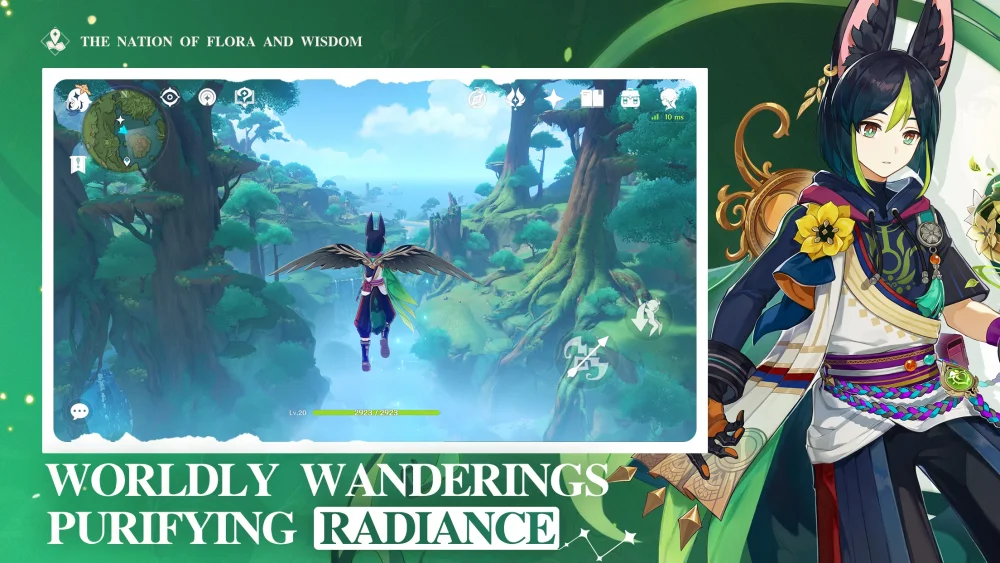
To fully understand the current stakes in the endgame chapters of Genshin Impact, players must grasp the chronological evolution of the story from the winds of Mondstadt to the frozen heart of Snezhnaya. The narrative is not merely a collection of side quests; it is a meticulously crafted epic that bridges the gap between early discovery and the cosmic climax of the Teyvat saga.
This guide provides the historical context required to maximize your appreciation of the game’s lore, helping you understand how early foundational lessons on "Freedom" and "Contracts" evolve into the existential existential battles seen in the late-game arcs.
The Foundation: Mondstadt and Liyue
The journey in Genshin Impact begins by establishing the core conflict: the struggle between divine authority and human agency.
Mondstadt: The Concept of Freedom
Mondstadt serves as the thematic introduction to the relationship between the Archon and the people. You are introduced to Barbatos, an Archon who chooses to step back, allowing humanity to govern itself. Understanding this "freedom" is vital, as it sets the baseline for the Traveler’s motivation. If you rush through these early acts, you may miss the subtle foreshadowing regarding the nature of the Seven and the oppressive reach of the Fatui.
Liyue: The Era of Contracts
Liyue shifts the scope by introducing the concept of "Contracts" and the transition from divine rule to human self-governance. By completing the Liyue Archon Quests, you witness the end of the Adepti era. This provides the historical foundation for why later nations like Inazuma become so volatile; when the "divine contract" is broken, the resulting power vacuum forces humanity to adapt or perish.
Escalation: Inazuma and Sumeru’s Internal Turmoil
As the story progresses, the themes shift from foundational world-building to the consequences of divine obsession.
Inazuma: The Cost of Eternity
Inazuma represents a significant shift toward political conflict, focusing on the "Eternity" of the Raiden Shogun and the human cost of divine stagnation. This is the first time the game forces the player to engage with the internal collapse of a nation caused by the Archon’s personal trauma. Understanding this arc is essential for grasping why the Fatui are so effective at manipulating nations—they exploit the internal weaknesses caused by the Archons' own flawed ideologies.
Sumeru: Forbidden Knowledge and Irminsul
Sumeru introduces the theme of "Wisdom," diving into the dangers of forbidden knowledge. The narrative here is a turning point; it introduces the concept of the Irminsul tree, which stores the collective memory of Teyvat. The lore surrounding the previous Archon and the erasure of history is a critical puzzle piece for understanding the cosmic mysteries of the endgame. Mastering these chapters allows you to see the pattern of loss and regrowth that defines the entire Genshin Impact experience.
The Turning Point: Fontaine and Natlan
As you move into Fontaine and Natlan, the narrative scale shifts from national politics to existential survival and cosmic truth.
Fontaine: Divine Judgment
Fontaine introduces the concept of absolute divine judgment and the inevitability of change. The narrative here relies heavily on the context of previous nations. Without the foundational understanding of the Archons' limitations established in Mondstadt and Liyue, the gravity of the Fontaine tragedy may not fully resonate.
Natlan: The Reality of War
Natlan forces players to contend with the visceral reality of war and the limitations of the gods in the face of a greater threat. This arc serves as the bridge to the endgame, stripping away the mystery and replacing it with the harsh reality of the Traveler’s growing power and responsibility.
Strategies for Engaging with the Narrative
To ensure you don’t miss critical developmental arcs, consider these strategic approaches to your progression:
- Prioritize Archon Quests: While side quests offer flavor, the Archon Quests are the "backbone" of the story. Do not attempt to skip dialogue or cutscenes in these segments, as they contain the lore that explains the motivation behind every antagonist, including Dottore and the Fatui Harbingers.
- Explore Environmental Lore: Pay attention to item descriptions and murals in regions like Sumeru and Natlan. Genshin Impact often hides the most vital plot reveals in the text of artifacts or the descriptions of historical monuments.
- Review the Archive: The "Travel Log" in your Archive is a powerful tool. Use it to re-watch cutscenes if you feel disconnected from the current events in the story.
- Connect the Harbingers: As you encounter Fatui Harbingers throughout different regions, note their specific goals. Their presence is a constant thread that ties the fragmented nations of Teyvat together.
The Path to Snezhnaya: Endgame Preparation
The trajectory leading toward Snezhnaya is the culmination of everything learned since the early days in Mondstadt. The late-game phases focus on the ultimate confrontation with the status quo.
Narrative Progression Checklist
- Act 1 (Mondstadt): Establish the theme of Freedom and the Traveler’s role.
- Act 2 (Liyue): Observe the shift to human governance and the end of divine contracts.
- Act 3 (Inazuma): Engage with internal conflict and the cost of stagnation.
- Act 4 (Sumeru): Investigate forbidden knowledge and the history of Irminsul.
- Act 5 (Fontaine): Confront divine judgment and the inevitability of change.
- Act 6 (Natlan): Prepare for the final escalation toward the Snezhnaya climax.
Common Mistakes to Avoid
Many players fall into the trap of treating Genshin Impact as purely an action game, ignoring the narrative density. Avoid these pitfalls:
- Skipping Early Dialogue: You cannot understand the gravity of the "Nod-Krai" or the endgame reveals if you do not understand the initial relationship between the Traveler and the Archons.
- Ignoring World Quests: In regions like Sumeru and Fontaine, essential lore is often hidden in World Quests. These missions explain the history of the land in ways the Archon quests cannot.
- Disconnected Progression: Trying to rush to the latest region without completing the prerequisite Archon Quests will result in a fragmented story experience where key characters and political relationships will seem nonsensical.
By tracking your progress through these defined eras, you ensure that no vital lore is missed, allowing for a more cohesive and emotionally satisfying experience as the game moves toward its final chapters. Keeping this timeline in mind helps you prioritize your objectives, ensuring you are contextually prepared for the high-stakes developments that await in the final frozen reach of Teyvat.

Free Genshin Impact Codes
Current active codes and how to redeem them.

Michael Smith
Michael covers live-service games, events, reward systems, and efficient daily routines, turning frequent updates into clear actions for players.
COMMUNITY
Player Comments
76 players commented on this guide.
Nice guide. I am checking the other Genshin Impact articles next.
This saved me time in the early game.
I tried this today and it worked better than my old setup.
Good guide for Genshin Impact players. The strategy part was useful.