
To pilot Mech N'Zoth Hunter in Hearthstone Standard, establish early minion presence on turns 1 through 3 to force removal, build your Deathrattle graveyard, and finish the game by reviving a full board with N'Zoth.
Mulligan Rules and Early Curve
Your opening hand must prioritize early board control because the deck relies on proactive minion trades rather than spell-based comeback tools.
- Keep 1-cost and 2-cost Mechs: Always keep cheap minions that contest the board immediately on turns 1 and 2.
- Keep 3-cost generators conditionally: Keep a 3-drop only if you already hold a confirmed turn-1 and turn-2 curve to maintain tempo.
- Toss high-cost cards: Mulligan away N'Zoth and expensive Deathrattle minions. Holding late-game payoffs in hand limits your ability to fight for early board initiative.
- Target the matchup: Against aggressive decks, prioritize sticky minions that can make two-for-one trades to stabilize. Against control decks, keep an aggressive curve to bait early area-of-effect removal.
Board Positioning and Mech Generation
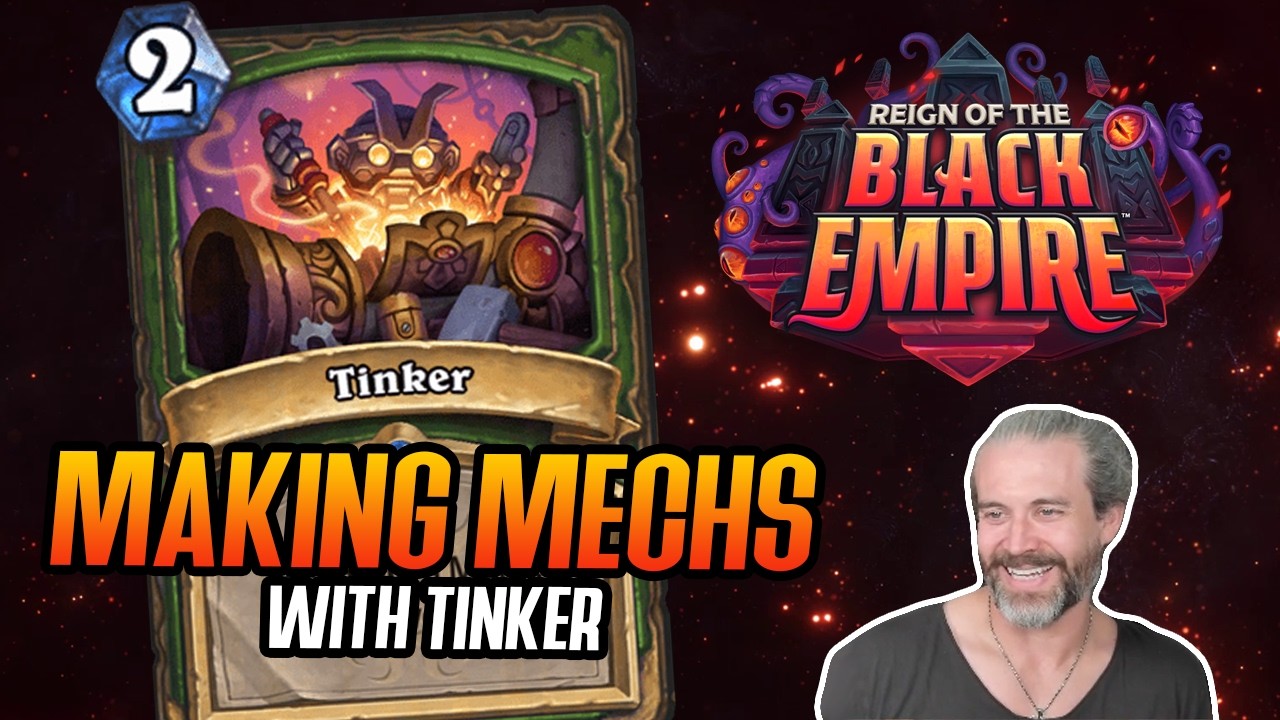
Generating extra pieces through cards like Tinker refuels your hand without losing mana efficiency. Sequence generated Mechs to either magnetize onto existing bodies or drop Deathrattle minions that require multiple attacks to clear.
| Opponent Archetype | Board Focus | Tactical Objective |
|---|---|---|
| Heavy single-target removal | Wide board of small Deathrattles | Prevents high-value single-target removal trades |
| Area-of-effect sweepers | Tall magnetized Mechs and Deathrattles | Retains board presence via residual Deathrattle tokens |
| Fast tempo decks | High-health defensive and Taunt Mechs | Absorbs attacks and forces unfavorable minion trades |
| Slow combo decks | High-attack minions played on curve | Maximizes damage output before combo turns arrive |
If an opponent is approaching an obvious board-clear turn, hold secondary Mech generators in reserve rather than overcommitting low-health minions.
Managing the Deathrattle Pool for N'Zoth
N'Zoth resuscitates friendly minions with Deathrattle that died earlier in the game. To maximize its impact on turn 10, ensure your high-value Deathrattle Mechs enter the graveyard during the midgame:
- Trade proactively on your turn: Attack into enemy minions to guarantee your Deathrattle targets die naturally. This prevents opponents from using silence or transformation spells like Hex and Polymorph to remove them from the resurrection pool.
- Bait removal early: Deploy mid-tier Deathrattle Mechs first if you suspect the opponent holds transformation effects.
- Protect pool quality: Avoid generating or trading low-impact Deathrattle tokens that could take up board space during the N'Zoth turn.
Midgame Transitions and Executing the Endgame
Shift your focus toward lethal setup between turns 5 and 7. Weave the Hunter hero power into your mana curve to apply steady face damage while threatening the board with midgame Mechs. Forcing opponents to exhaust hard removal spells against your midgame magnetized minions leaves them without answers for your late-game swing.
Before deploying N'Zoth, verify that you have open board space. Trade off low-value or damaged minions to make room for full resurrection value. Once N'Zoth resolves, clear only opposing minions that threaten your survival, and direct all remaining minion damage into the enemy hero to close out the match over the next one to two turns.

Free Hearthstone Codes
Current active codes and how to redeem them.

James Brown
James focuses on Android gaming on PC, emulator setup, controls, performance tuning, and practical troubleshooting for longer play sessions.
COMMUNITY
Player Comments
70 players commented on this guide.
This guide answered the exact question I had.
Nice guide. I am checking the other Hearthstone articles next.
Can you add more details about early game in a future update?
Good guide for Hearthstone players. The early game part was useful.