
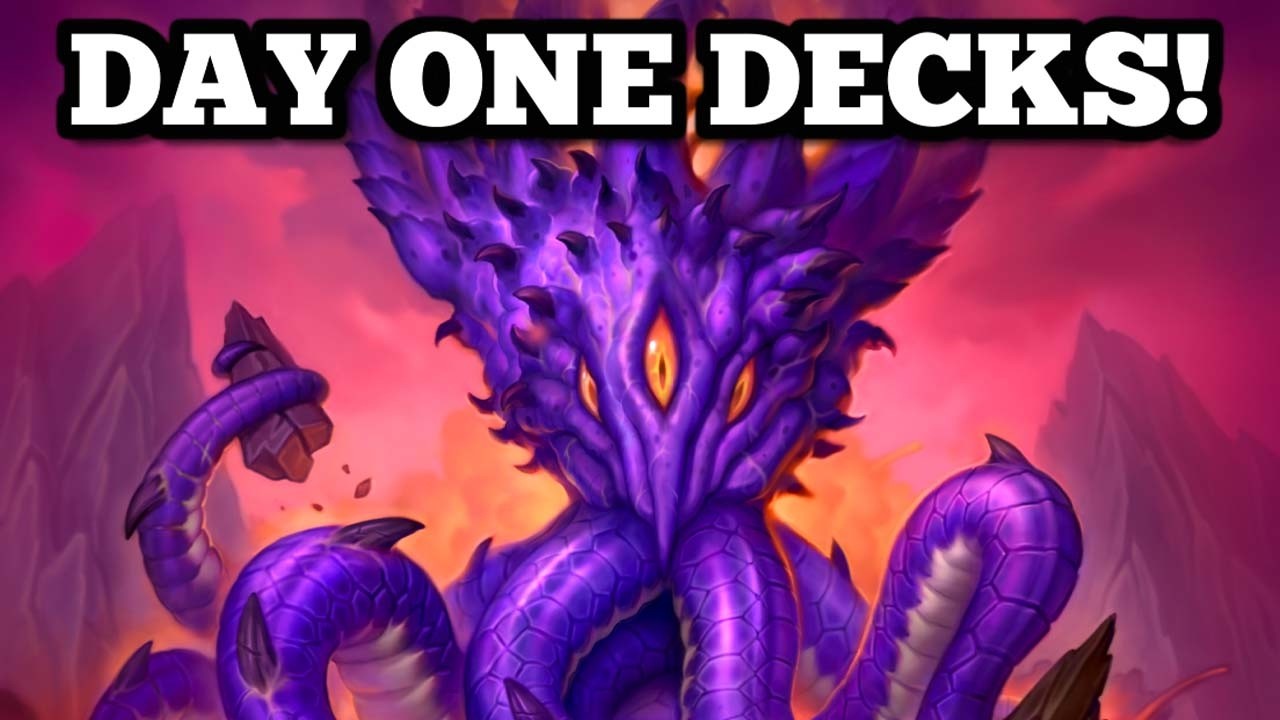
On Day One of Hearthstone’s Reign of the Black Empire expansion, play low-curve aggressive decks or dedicated C’Thun control shells to exploit unrefined experimental opponents. Save your crafting dust for at least 72 hours before investing in new legendary cards.
Early expansion environments reward proactive decks that punish slow, greedy setups. Fast lists punish opponents before their late-game engines come online, while streamlined control decks outlast unoptimized aggro without relying on complex combos.
Aggro Curves: Hunter and Shadow Priest
Aggressive decks yield fast wins on launch day because opponents frequently run heavy top-ends and lack early defensive tools. Hunter and Shadow Priest offer the most reliable shells for closing games early.
- Aggro Hunter: Curve out with 1-mana and 2-mana beasts. Weave in your Hero Power and cast cheap burn spells to close out the match before turn 7.
- Shadow Priest: Deploy low-cost 1-drops early. Use direct void-damage burst to push unhealable face damage past early enemy minions.
When piloting aggressive decks during launch week, follow these tactical rules:
- Trade only to protect recurring damage. Attack the enemy hero directly unless trading a minion prevents an opponent from clearing a larger, recurring threat.
- Exploit slow turn-two and turn-three setups. Opponents running experimental Old God cultists often float mana or play low-statted setup cards, leaving an open window to widen your board.
- Respect board-clear mana breakpoints. Track key mana thresholds on turns 4 and 5. Avoid overextending into common area-of-effect sweepers if your current board already threatens lethal damage.
Aggro decks struggle primarily against dedicated defensive shells equipped with low-cost life restoration and multiple sweepers. If an opponent neutralizes your initial waves, aggressive lists quickly run out of cards.
Midrange and Combo Shells
Midrange and burst-oriented combo decks offer flexible alternatives if you want to bypass minion trading or resist light early sweepers.
Midrange Boards: Paladin and Shaman
Paladin and Shaman build resilient boards that resist cheap area-of-effect damage:
- Paladin: Deploy durable divine shield minions, early stat enhancements, and recursive hand buffs. High-health threats force control opponents to spend multiple removal spells on single targets.
- Shaman: Swarm the board using low-cost elemental or totem packages. Punish opponents who leave small tokens intact by converting wide boards into lethal burst with attack-buff finishers.
Midrange lists remain vulnerable to high-roll board clears. If an opponent draws their best defensive answers on curve, midrange decks struggle to rebuild without losing board initiative.
Fast Burst: Miracle Rogue and Burn Mage
Combo decks bypass the opponent's defensive minions by dealing direct damage from hand:
- Miracle Rogue: Chain 0-mana and 1-mana enablers alongside stealth minions and card draw. Discounted spells create untargetable boards or push direct burst damage over enemy taunt minions.
- Spell-Burn Mage: Stack spell-damage multipliers with direct burn spells to eliminate the enemy hero without contesting the physical board.
Both archetypes require strict resource management. Inconsistent draw sequencing leaves you defenseless against fast minion floods.
Control Decks: C'Thun Engines
Control lists succeed on launch day by stabilizing against fast starts and securing wins with late-game finishers like C'Thun. Warrior and Warlock provide the most reliable foundations for this approach.
| Class Archetype | Primary Defensive Tool | Win Condition Engine | Key Vulnerability |
|---|---|---|---|
| Control Warrior | Armor stacking and weapon clears | C'Thun scaling and high-armor fatigue | Fast spell-damage burst |
| Control Warlock | Defile effects and soul-siphon healing | Symmetrical board resets into C'Thun | Self-inflicted health tax |
| Pure Midrange Paladin | Divine shield and lifesteal taunts | Stat-stacked board pressure | Efficient hard silence or removal |
| Miracle Rogue | Cheap bounce and stealth tools | High-APM spell cycle burst | Early hyper-aggro flood |
Control Warrior shuts down early minion pressure using cheap weapons and armor generation while buffing C'Thun. Control Warlock uses its Hero Power for consistent draw, finding board resets at the cost of its own life total. However, unrefined control mirrors often turn into grueling fatigue matches where missing a single tech card can cost you the game.
Day One Mulligan and Crafting Priorities
Manage your resources carefully to avoid wasting crafting dust on volatile day-one trends.
- Hold crafting dust: Do not craft niche legendary cultists or untested combo pieces for at least 72 hours. Play archetypes supported by your existing collection.
- Mulligan for early defense: Toss expensive late-game finishers, including C'Thun, during the mulligan phase. Dig exclusively for turns 1 through 3 plays to guarantee early board interaction.
- Adjust for aggressive pockets: If your rank bracket fills with aggro decks, cut slow value cards in favor of cheap taunt minions and early healing spells.

Free Hearthstone Codes
Current active codes and how to redeem them.

Sarah Williams
Sarah specializes in RPG and collection games, explaining team building, character growth, and beginner-friendly ways to avoid expensive early mistakes.
COMMUNITY
Player Comments
96 players commented on this guide.
I tried this today and it worked better than my old setup.
This guide answered the exact question I had.
Can you add more details about strategy in a future update?
Good guide for Hearthstone players. The strategy part was useful.