
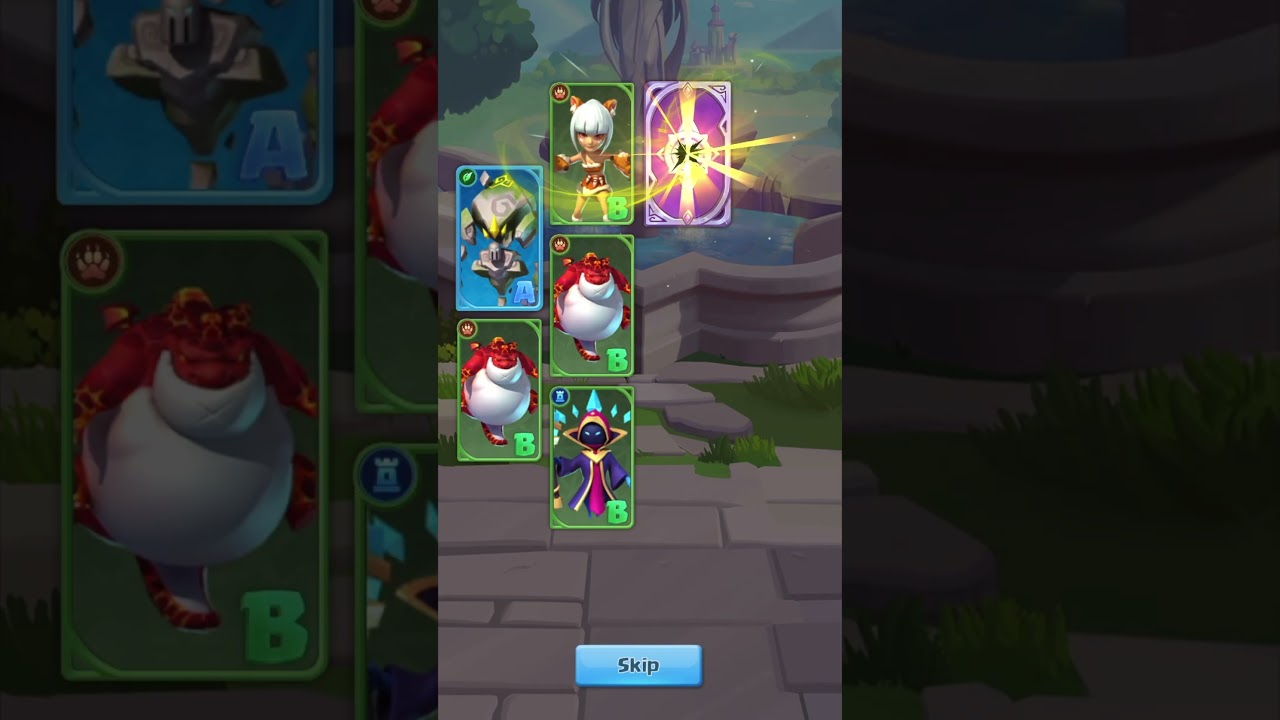
To succeed in the DEFCON Elite system in Hero Clash, guild leadership must place high-investment rosters into designated elite defensive chokepoints, while attackers must use secondary teams to bait defensive cooldowns before committing main squads during scheduled alliance rally windows.
How the DEFCON Elite System Works
The DEFCON Elite system divides guild war territory into standard garrison nodes and dedicated elite defensive checkpoints. Defeating an elite defensive squad awards substantially more war points and territory momentum than taking standard positions. However, failed assaults quickly deplete offensive stamina tokens.
This structure splits alliance duties based on roster strength:
- Top-tier rosters secure elite chokepoint fortresses that block access to internal alliance territory.
- Mid-tier and lower-power rosters clear auxiliary sentry nodes, guard peripheral supply routes, and scout or bait opposing elite formations.
Defensive Squad Assignments
Defensive formations placed in elite slots should prioritize multi-round survival over pure offensive burst. When an elite defense withstands consecutive enemy assaults, it forces opposing attackers to burn through limited attack attempts.
Guilds should structure their territory defenses across three core deployment roles:
| Deployment Role | Team Composition Focus | Tactical Function |
|---|---|---|
| Elite Anchor Squad | Tanks with crowd control, S+ carries, high sustain | Hold primary lane chokepoints and absorb enemy attack stamina. |
| Secondary Elite Team | Turn-meter disruption, speed control, single-target execution | Intercept advancing mid-tier enemy rosters attempting territory bypasses. |
| Garrison Support Line | Balanced mid-tier heroes, sustained shielding, team healing | Secure peripheral outposts and defend auxiliary supply lanes. |
When configuring elite defenders, pair carries with frontline damage mitigation, damage-reduction artifacts, high-level defensive runes, and resurrection passives. A lineup built purely for burst damage is vulnerable to being worn down and defeated across back-to-back attacks.
How to Attack Enemy Elite Nodes
Attacking an elite formation with an uncoordinated direct strike will waste attack tokens. Elite nodes should be tackled in a three-step sequence:
- Scout the Node: Inspect the defending lineup's hero placements, active relic synergies, and speed tier order before committing any resources.
- Bait Key Cooldowns: Send in an auxiliary or secondary squad to force the elite defenders to exhaust high-impact burst ultimates, crowd control abilities, and passive defensive triggers.
- Deploy Counter Assault: Once the defending squad's initial defensive buffs and active burst tools are on cooldown, send in the main carry team built with element and faction advantage to clear the node.
Stamina and Action Timing
Action stamina is capped per contest interval, making coordinated timing more effective than individual action. Expending stamina during quiet periods yields far less territory impact than concentrating attacks during active point multiplier phases.
- Schedule Guild Rallies: Coordinate 10 to 15 alliance members to launch offensive pushes within the same 15-minute window. Concentrated strikes breach defensive lanes faster than opponents can adjust garrison assignments.
- Save Closing Stamina: Reserve at least two attack attempts per member for the final hour of the match to contest territory flips and lock in point nodes before settlement.
Mistakes to Avoid
- Attacking Disadvantaged Factions: Engaging elite defense teams without elemental or faction counters causes costly losses against equivalent combat ratings.
- Overextending Lane Pushes: Capturing too many divergent paths simultaneously spreads alliance defense thin, leaving newly taken nodes open to easy counterattacks.
- Forgetting Garrison Re-arming: Strongholds captured from opposing guilds must be immediately re-assigned with defensive squads to prevent opponents from reclaiming them with minimal effort.
Free Hero Clash Codes
Current active codes and how to redeem them.

Emily Johnson
Emily writes practical mobile strategy guides with a focus on resource planning, base progression, and the early decisions that shape a long-term account.
COMMUNITY
Player Comments
73 players commented on this guide.
This guide answered the exact question I had.
The tips are practical and easy to follow.
Nice guide. I am checking the other Hero Clash articles next.
The explanation is clear, especially for beginners.