
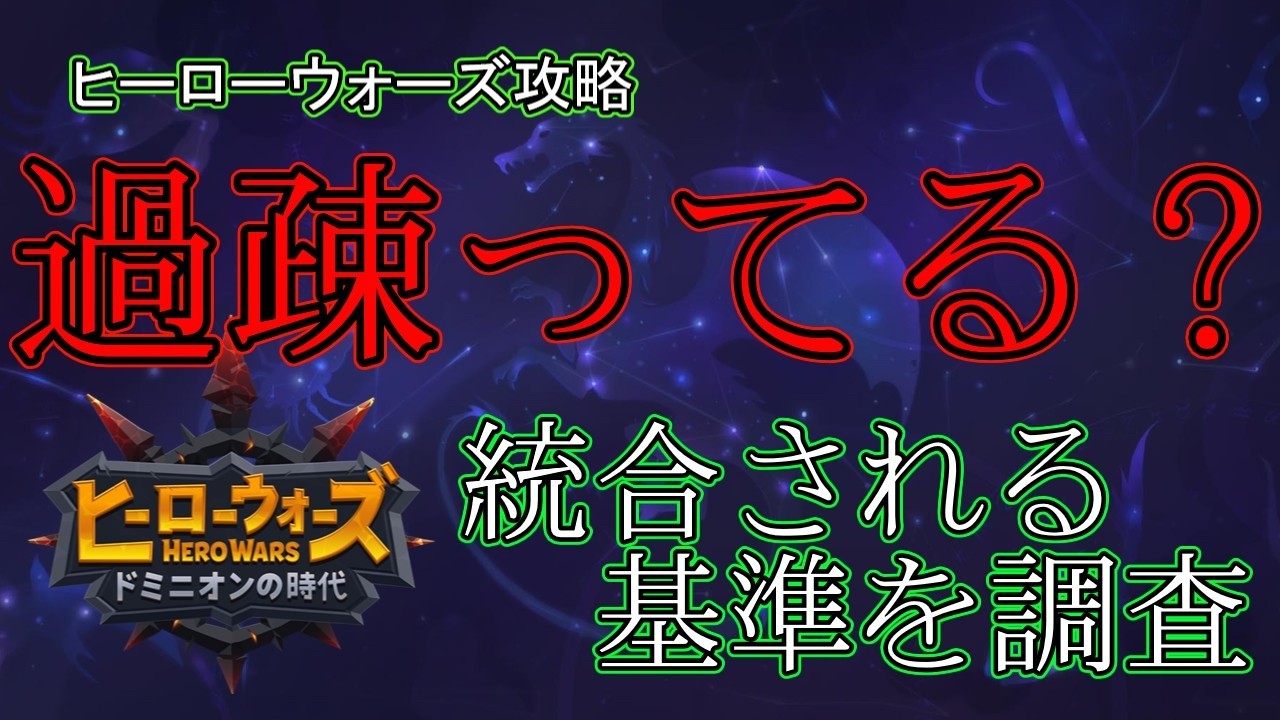
In Hero Wars, a server merge can feel like an existential threat to your progress, especially when your current server seems active. However, server consolidation is a core mechanic of Hero Wars designed to maintain the long-term health of the game’s competitive ecosystems, such as Guild Wars and the Arena. Even if your server appears healthy, developers often trigger merges based on internal metrics like daily active user counts and the competitiveness of the top-tier guilds.
Rather than viewing a merge as a setback, view it as a high-stakes reset that forces you to refine your strategy. To survive and thrive in a newly expanded cluster, you must transition from a "local hero" mindset to a "meta-adaptive" strategy.
How Hero Wars Identifies Merge Candidates
Many players are caught off guard because their server doesn't "look" dead. Hero Wars developers operate on a global view of server health that you cannot see. They track:
- Total Daily Active Users (DAU): Servers with declining engagement are prioritized for consolidation to ensure that game modes like the "City of Wars" remain populated enough to function.
- Guild Activity Thresholds: If the top 10 guilds on a server have stagnant growth or low participation in cross-server events, the server is flagged.
- Economic Velocity: The rate at which resources are being generated and consumed across the server’s population.
If you notice a sudden shift in Arena rankings—where unknown, high-power players begin appearing in the top 50—your server is likely being evaluated for or is currently in the early stages of a merge. Do not panic; instead, begin auditing your account immediately.
Strategic Preparation: Hardening Your Account
When you move into a larger server pool, the competition for rank-based rewards (Emeralds, Guild War trophies) increases. You must ensure your account is "hardened" against the increased pressure.
- Prioritize the Core 5: In a smaller server, you might have had the luxury of building niche heroes. In a larger pool, depth is secondary to raw, focused power. Ensure your primary Arena team is maxed out in terms of Artifacts, Glyphs, and Skin Stones.
- Titan Team Synergy: Titan battles are often the deciding factor in Guild War success. If your Super Titan core is not fully leveled, prioritize your Titan Potion and Soul Stone investment here immediately.
- Counter-Meta Flexibility: If your primary team relies on a single gimmick (like a pure physical burst), prepare a secondary team or swap-in heroes that can handle magic-heavy defenses or control-heavy teams. A broader roster is your best defense against being countered by incoming players.
Resource Management During Transition Periods
The golden rule of Hero Wars during a merge is liquidity. Avoid spending your hard-earned resources on "vanity" upgrades or side projects.
- Hoard Essential Materials: Hold onto your Skin Stones, Evolution Boosters, and Artifact Chest keys. Once the merge happens, you will be able to see exactly which team compositions dominate your new server. Use your stockpiled resources to pivot your team to counter those specific threats rather than guessing beforehand.
- Event Discipline: Events like "Mysterious Island" or "Oshu" boss fights provide massive resource influxes. Use these to bolster your main team’s power, but resist the urge to spread materials across your entire roster. Focus on your primary carry or tank to ensure you remain competitive in the Arena, where daily rewards are vital for long-term growth.
Adapting to the New Social and Competitive Landscape
A server merge changes the power hierarchy overnight. The guild that was #1 on your old server may find itself at #5 or #10 in the new, combined environment.
- Scout, Don’t Resist: If your current guild can no longer compete for top-tier rewards, don't be afraid to look for a new alliance. Joining a powerhouse guild is often the fastest way to stabilize your income of Guild War medals and Titan artifacts.
- Arena and Grand Arena Analytics: Spend the first week post-merge observing. Use the "Replay" function to see which teams are successful against the new, high-power arrivals. If your defense is being dismantled, analyze why. Is it a specific hero? A lack of control? Adjust your defensive lineup to be as annoying and "anti-meta" as possible to discourage attackers.
- The "New Normal" Mindset: Recognize that your rank will likely drop initially. This is not a failure; it is a market correction. Use this time to focus on your Titan and Hero synergy, and you will eventually climb back up by exploiting the weaknesses of players who invested in "flavor of the month" heroes rather than deep, synergistic teams.
Avoiding Common Mistakes
- The Panic Spend: Many players blow their entire reserve of emeralds or resources trying to "catch up" the moment a merge is announced. This is wasteful. Wait until you see the new meta, then spend strategically.
- Ignoring the Titan Power Gap: Players often focus solely on heroes during a merge. Remember that Guild Wars are decided by Titans. If you neglect your Titans, you will lose your guild position, which significantly slows down your overall progression.
- Ignoring Team Synergy for Raw Level: You will face players with high levels who have poor synergy. Use this to your advantage. A well-constructed team of 400k power can often beat a poorly constructed team of 500k power. Focus on synergy—the core of Hero Wars—rather than just chasing bigger numbers.
By treating the merge as a planned strategic event rather than an unavoidable disruption, you can maintain your trajectory, secure a spot in a top-tier guild, and leverage the influx of new competition to sharpen your own team’s efficiency.
Free Hero Wars: Alliance Adventure Codes
Current active codes and how to redeem them.

Michael Smith
Michael covers live-service games, events, reward systems, and efficient daily routines, turning frequent updates into clear actions for players.
COMMUNITY
Player Comments
138 players commented on this guide.
The tips are practical and easy to follow.
Can you add more details about resources in a future update?
This guide answered the exact question I had.
Nice guide. I am checking the other Hero Wars: Alliance Adventure articles next.